
Used 2011 BMW 3 Series 328i xDrive Coupe Review
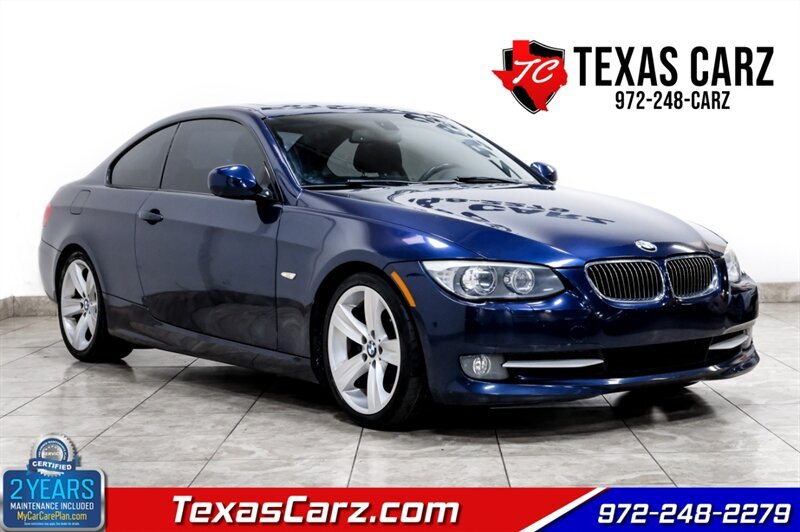
2011 BMW 3 Series Coupe
Even entering the sixth year of its present generation, the 2011 BMW 3 Series remains the best entry-level luxury sedan you can buy.
Vehicle overview
They say that variety is the spice of life. If that’s true, the 2011 BMW 3 Series can make things hotter than a habanero. You can get a sedan, a wagon, a coupe, and a convertible; there are two turbocharged six-cylinders, a wickedly torquey diesel engine, and a regular six-cylinder that’s hardly a slouch. Then there are more add-ons to be had than ornaments for a Christmas tree. Yep, there’s something for everyone, which partly explains why the 3 Series has been so popular for so long. Oh, and the fact that it’s one of the finest automobiles on the globe may have something to do with it, too.
Now in its sixth year since the last full redesign, the BMW 3 Series soldiers on with key changes for 2011. The coupe and convertible get a mild styling refresh that only the keen eyes of Bimmerphiles will notice. More important, though, is an all-new engine for the 335i models. Its output remains the same, but the switch to a single twin-scroll turbocharger in place of the old engine’s dual single-scroll turbochargers combines with direct injection to improve fuel economy. Not only is the new 335i thriftier than the old one, but it also sips slightly less fuel than the 328i.
The old twin-turbo inline-6 lives on, however, in the new 335is coupe and convertible. This sport-tuned version produces 320 horsepower and 332 pound-feet of torque, with an over-boost function that can briefly bump torque up to 370 lb-ft. We’re guessing that the 335is will hit 60 mph in just a hair under 5 seconds. In many ways bridging the gap between 335i and M3, the 335is also features a sport-tuned suspension and exhaust, an aerodynamic body kit, sport seats, and a chunkier steering wheel.
Otherwise, the 3 Series remains one of the most desirable vehicles on the road. Quite simply, no other entry-level luxury model can match the Bimmer’s exquisite combination of athletic handling and premium ride comfort. Even the base suspension setup is more capable than most, while the Sport package gives it sports-car-grade cornering capabilities without the slightest hint of impact harshness. This sophisticated dual nature has often been imitated but never duplicated.
Automotive journalists like us often wax poetic about the 3 Series, but there’s a reason for that: It’s just that good. With the updates made this year, we see no reason why the 2011 BMW 3 Series should fall from its perch. Of course, there are worthy rivals and the 3 Series certainly doesn’t provide the most equipment for your buck. The 2011 Audi A4 (and the 2011 Audi S5), 2011 Cadillac CTS, Infiniti G37, and 2011 Mercedes-Benz C-Class certainly deserve test-drives. But if you just make a single trip to the BMW store, we can’t say we blame you.
2011 BMW 3 Series models
The 2011 BMW 3 Series is available in sedan, wagon, coupe, and hardtop convertible body styles. The base model for all styles is the rear-wheel-drive 328i, while the coupe, sedan, and wagon also come in all-wheel-drive 328i xDrive guise. All but the wagon are available as the rear-drive 335i, and the sedan and coupe can be had in 335i xDrive form. The coupe and convertible are available as the sport-oriented 335is. There is also a diesel-powered sedan known as the 335d. Got all that?
Standard equipment on the 328i models includes 16-inch wheels, heated side mirrors, rain-sensing wipers, automatic headlights, foglamps, “leatherette” premium vinyl upholstery, automatic climate control, and a 10-speaker sound system with CD player, HD radio, and an auxiliary audio jack. The coupe comes with a sport-tuned suspension, while the convertible gets a power-retractable hardtop, an upgraded stereo, and power front seats with driver memory. Both two-door 328i’s get 17-inch wheels and adaptive xenon headlights.
In addition to their different engines, the 335i and 335d add 17-inch wheels, adaptive xenon headlights (sedan and wagon), a sunroof (not convertible), and power front seats with driver memory. The 335is coupe and convertible get a more powerful engine, a sport-tuned suspension, 18-inch wheels, a special body kit, sport seats, and a sport steering wheel.
The Premium package adds leather upholstery (heat-reflective in the convertible), auto-dimming mirrors, Bluetooth connectivity, BMW Assist telematics and, on 328i models, a sunroof and power seats with driver memory. The Sport package (all but 335is) specifies the sport-tuned suspension for convertibles, sedans, and wagons (the coupe already has this as standard) and all get larger wheels, the sport seats, and steering wheel, and special “Shadowline” exterior trim. The M Sport package adds many of the 335is features.
The Cold Weather package adds heated front seats, retractable headlight washers, and fold-down rear seats (though the latter are unavailable in the convertible). The Convenience package adds adaptive xenon headlights (328i), front and rear parking sensors, power rear sunshade (not convertible or wagon), keyless ignition/entry, and manual side window shades (sedan and wagon).
Most of the upper trim and package add-ons are also available as à la carte options. Other items include a hard-drive-based navigation system with the iDrive controller, active cruise control, an active steering system (335i and 335is only), a heated steering wheel, paddle shifters for the optional automatic transmission, satellite radio, an iPod adapter, and a Harman Kardon surround-sound audio system.
2011 Highlights
The 3 Series coupe and convertible have been slightly restyled for 2011, and have been given an additional model in the form of the more sport-oriented 335is. All 335i models receive a new, more fuel-efficient turbocharged engine. The upgraded stereo is also once again branded as a Harman Kardon.
Performance & mpg
The 2011 BMW 3 Series comes standard with rear-wheel drive, but all models but the convertible, 335d, and 335is can be equipped with xDrive all-wheel drive.
The 328i features a 3.0-liter inline-6 that produces 230 hp and 200 lb-ft of torque. A six-speed manual is standard and a six-speed automatic is optional. In performance testing, we clocked a 328i sedan with the manual from zero to 60 mph in 6.4 seconds, while the heavier convertible is a few tenths of a second slower. According to the EPA, fuel economy is an estimated 18 mpg city/28 mpg highway and 22 mpg combined. The wagon and/or all-wheel-drive models are a smidge worse.
The 335i features a 3.0-liter turbocharged inline-6 that produces 300 hp and 300 lb-ft of torque. It gets the same transmission choices as the 328i. Although this engine is new, its power numbers are the same as before, so we doubt its 0-60 times would be much different than the approximate 5-plus-second times we recorded in the past. Fuel economy is now actually slightly better than the less powerful 328i, at 19 mpg city/28 mpg highway and 22 mpg combined.
The 335is features a more powerful version of the 335i’s previous twin-turbocharged inline-6 and produces 320 hp and 332 lb-ft of torque. There is a temporary overboost function, however, which bumps torque up to 370 lb-ft. A six-speed manual is standard, and a seven-speed automated dual-clutch manual known as DCT is optional. The 335is should be even quicker than the 335i. BMW’s estimated fuel economy is 18/26/21 with the manual and 17/24/19 with DCT.
The 335d has a 3.0-liter twin-turbocharged diesel inline-6 that produces 265 hp and a massive 425 lb-ft of torque. A six-speed automatic is standard. In performance testing, we clocked the 335d from zero to 60 mph in 5.9 seconds. Its EPA-estimated fuel economy is 23/36/27.
Safety
Standard safety equipment on the 2011 BMW 3 Series includes antilock disc brakes, stability control, front-seat side airbags, and full-length side curtain airbags. The convertible lacks the side curtains, but the regular front side airbags extend up to head level and there are also pop-up rollover hoops. The stability control system integrates several features designed to improve braking performance, such as periodically wiping the brake rotors dry when the windshield wipers are in use and automatically snugging the pads to the rotors when the driver abruptly lifts off the throttle. BMW Assist Emergency telematics are optional.
In government crash tests, the sedan and wagon received four out of five stars for frontal collision protection and five stars for side protection. The Insurance Institute for Highway Safety gave the 3 Series the top rating of “Good” in its frontal-offset crash test. The 3 Series also scored a “Good” for side crash protection except for the convertible, which received the second-lowest “Marginal” score.
Driving
Driving is what the 2011 BMW 3 Series does best. The 328i’s naturally aspirated inline-6 is otherworldly in its smoothness from idle to redline, and it has enough power to suit most tastes. Those in search of something more will be well served by the 335i, which maintains the 328i’s refinement while adding a huge wallop of turbo torque that’s always on tap. This year’s new 335is doesn’t feel much different from the regular 335i until you floor the throttle, at which point the over-boost function provides a noticeable uptick in acceleration. For maximum mpg, the 335d is the car to get, and it serves up face-flattening torque off the line, too.
The 3 Series’ sublime suspension, steering, and brakes will provide endless, easily accessible entertainment. Sport package-equipped models can even keep pace with many genuine sports cars. At the same time, the 3 Series is a wonderful long-distance cruiser, boasting both a supple ride and a hushed cabin. The 3 Series’ long-running double act is truly extraordinary: It speaks the language of driving enthusiasts, yet its upscale image and comfortable interior give it unrivaled mass appeal.
Interior
The 2011 BMW 3 Series interiors will be familiar to anyone who has spent time in a BMW product. Classic analog gauges, sensible ergonomics, and a restrained overall aesthetic combine to create a pleasant driving environment, though there’s less visual pizzazz here than in some rivals.
The base seats are comfortable and supportive, while the Sport package’s purpose-built seats are even more so. Materials and build quality are exceptional; even the standard leatherette (vinyl) upholstery looks and feels better than one would expect. The convertible’s available heat-reflective leather does a wonderful job of keeping occupants’ posteriors cool. The recently improved iDrive electronics interface that comes with the optional navigation system is intuitive and one of the best interfaces of its kind.
The rear seats are adequately roomy for adults on shorter trips, but taller passengers will complain that their heads are crammed into the roof. Trunk space is average in sedans and coupes, while the wagon offers a maximum cargo capacity of 61 cubic feet. The convertible offers a reasonable cargo hold when the hardtop is up but predictably shrinks considerably when the top is lowered.
2014 Audi Q5 2.0T quattro Premium Plus for sale in Carrollton TX Review
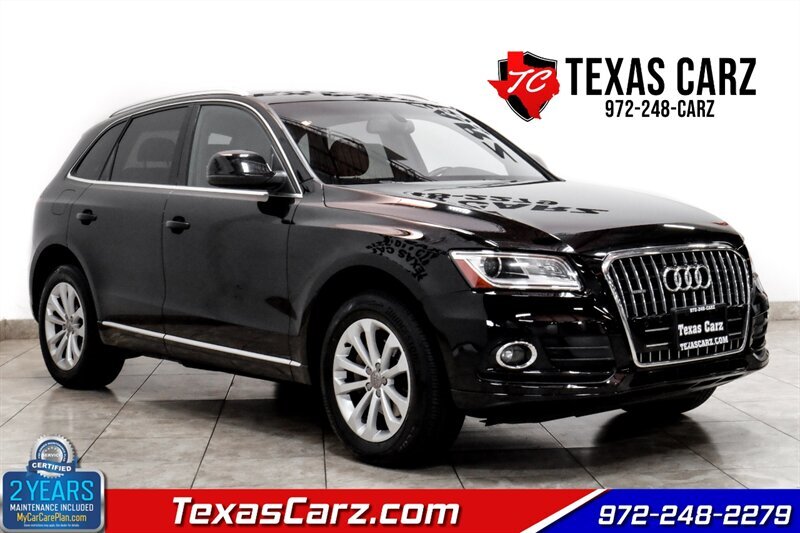
Rankings & Awards
The 2014 Audi Q5’s #6 ranking is based on its score within the 2014 Luxury Compact SUVs category. It was the winner of our 2014 Best Luxury Compact SUV for Families award. Currently, the Audi Q5 has a score of 7.7 out of 10, which is based on our evaluation of 59 pieces of research and data elements using various sources.
2014 Audi Q5 Overview
Is the 2014 Audi Q5 a Good Used SUV?
When it was new, the 2014 Audi Q5 won our Best Luxury Compact SUV for Families award. Contributing to its win are roomy, leather-swaddled seats, a convenient cargo space, and a healthy dose of family-favorite amenities.
The 2014 Q5 comes in a motley of trims, each boasting a signature engine. Under the hood of the base, 2.0T Premium is a turbocharged four-cylinder engine that’s refined and energetic, with a middle-of-the-road fuel economy. If you want faster acceleration, pick the 3.0T Premium Plus. Its supercharged 3.0-liter V6 boosts horsepower from 220 to 272. Gas mileage inches down from the base engine’s 20 mpg in the city and 27 mpg on the highway to 18 mpg in the city and 26 on the highway. For 2014, Audi added the high-performance SQ5 edition to the lineup. It has a supercharged 3.0-liter V6 with a 354-horsepower rating and a zero to 60 sprint time of 5.1 seconds. The 2014 Q5 is also available as a hybrid SUV and with a turbodiesel engine (though sales of the 3.0 TDI are limited following the Volkswagen emissions scandal). Every model comes with an eight-speed automatic transmission and Audi’s all-wheel-drive Quattro system. Agile handling, precise steering, and a comfortable ride help make up the Q5’s enjoyable driving dynamics.
First-class materials and stellar build quality are two traits of the Q5’s cabin, which is often considered one of the most luxurious in the class. The Q5 seats five people on leather upholstery. The front seats are cushy and the rear seats slide and recline for added legroom.
Quite a bit of comfort and technology amenities come standard in the 2014 Q5. Goodies like Bluetooth connectivity and iPod integration give you lots of ways to stay entertained, and tri-zone automatic climate control minimizes disputes over temperature settings. Audi’s MMI infotainment interface is a bit hit-and-miss for usability, so you may want to spend a few minutes familiarizing yourself with this system before you buy. Other available features in the 2014 Q5 include navigation, adaptive cruise control, a Bang & Olufsen stereo, a rearview camera, parking sensors, a blind spot monitoring system, and a panoramic moonroof.
Used 2014 Audi Q5 Prices
Expect to pay between $21,700 and $35,300 for a used 2014 Audi Q5. The price will go up or down depending on regional fluctuations and the vehicle’s trim level, condition, and mileage.
How Reliable Is the 2014 Audi Q5?
The 2014 Audi Q5 has only average reliability; about half of the rivals in our 2014 luxury compact SUV rankings top its score of three out of five. The 2014 Mercedes-Benz GLK-Class posts a perfect reliability score of five, and the 2014 Volvo XC60 and 2014 Acura RDX each receive a 3.5.
Driving
Regardless of which powertrain you choose, the 2014 Audi Q5 delivers smooth, powerful acceleration, and the eight-speed automatic is also refined and responsive. Both the 2.0T and 3.0T gas engines match their respective rivals in terms of acceleration and fuel economy, while the diesel and hybrid versions of the Q5 offer even higher fuel-efficiency while still delivering plenty of power. The 3.0T and 3.0 TDI’s automatic stop-start system also helps efficiency, but it doesn’t keep the engine off very long at traffic lights. Such random refiring can get annoying.
The Q5’s ride quality is firmer than the norm for this class of vehicle, but we’ve never found it to be harsh. Handling is excellent, and we consider the 2014 Q5 is one of the sportiest crossovers on the market. The steering is similarly quick and responsive, though it has a rather artificial feel.
How Safe Is the Q5?
The 2014 Q5 earned top scores in all four crash tests conducted by the Insurance Institute for Highway Safety, as did the 2014 Mercedes-Benz GLK-Class. No advanced driver assistance features are standard in the Q5, but adaptive cruise control, a rearview camera, parking sensors, and a blind spot monitoring system are among the available safety options.
Standard safety equipment for the 2014 Audi Q5 includes stability and traction control, front side airbags, and side curtain airbags. Rear side airbags are optional on all models, as is blind-spot monitoring (standard on the Hybrid). The optional Audi MMI Navigation package includes rear parking sensors and a rearview camera.
In Texas Carz braking testing, the Q5 2.0T came to a stop in 114 feet, a very strong result. Yet a 3.0T with the Prestige package stopped even shorter in 109 feet, which is very impressive for any vehicle, let alone an SUV with all-season tires.
In government crash tests the Q5 received four (out of five) stars overall, with four stars for frontal and five stars for side crash categories. In Insurance Institute for Highway Safety testing, the Q5 was awarded the highest rating of “Good” in moderate-overlap frontal-offset, side-impact, and roof-strength tests.
Should I Consider Another Used Q5?
Audi first released the Q5 for the 2009 model year. The current generation spans from 2009 through 2017. There have been no major updates since the Q5’s launch, but not every model year is equal. If you compare the 2014 model year with the two prior model years, the 2013 Q5 emerges as the most reliable. It also scored higher in our rankings overall. Though it’s missing a few of the 2014 Q5’s improvements (including powertrain enhancements and standard Bluetooth), you can save money by shopping for a 2013 Q5 instead.
How Much Does It Cost to Insure an Audi Q5?
The cost of insuring an Audi Q5 will depend on a variety of factors, including your deductible, the level of coverage that you want, and the type of insurance that you choose. Your age, gender, location, credit score, and driving record can also have an impact on your insurance rates. Check out our car insurance guide to find the best policy for you.
Which Used Audi Q5 Is Right for Me?
There’s a lot to love about the Q5 2.0T Premium. As the base model, it will likely be the least expensive, but it doesn’t feel cheap inside. Leather seats and tri-zone climate control – which are typically add-ons – are standard in the 2.0T, along with a well-equipped infotainment system and the all-wheel-drive Quattro system. Stepping up to the 3.0T Premium Plus adds a few other amenities, not to mention a more powerful supercharged engine. Though its V6 is certainly invigorating, the base turbocharged engine is still refined and peppy, delivering enough power to tackle most daily commutes with ease.
A certified pre-owned Q5 may suit you best. Audi CPO vehicles receive the balance of the original four-year/50,000-mile new-car warranty, then enjoy an additional two-year/50,000-mile comprehensive warranty. The two warranties differ in important ways, and there may be additional services like roadside assistance, so read the Audi warranty page carefully. Audi CPO models must pass an inspection covering 300-plus points.
We Did the Research for You: 59 Pieces of Data Analyzed
This 2014 Audi Q5 review is not based on our personal opinions, nor are any of our other used luxury SUV reviews. We pulled together dozens of different pieces of information, getting down to the finer details like fuel efficiency, legroom, and cargo space. We then compared the Q5 with its top rivals to help you make an informed buying decision.
Interior
As we’ve come to expect from all Audi models, the Q5 benefits from classy interior design and top-notch construction. The center stack controls are canted toward the driver, although the layout depends on whether you opt for the navigation system. Without navigation, the knob and buttons for the MMI system reside somewhat inconveniently on the center stack. With navigation, the controls are placed between the armrest and shift lever, where they’re easier to reach. Navigation-equipped models also get the latest MMI system with more intuitive menus, enhanced Google Maps satellite imagery, and an additional joystick button for enhanced control.
Despite its compact size, the Q5 manages to feel roomy whether you’re seated in the front or rear. The rear seats slide fore and aft, which is a rarity in this segment of luxury crossovers, and the seats also recline for greater comfort. Folding the rear seats down creates 57 cubic feet of maximum cargo space, which is a little below average for this segment.
Performance & mpg
The 2014 Audi Q5 2.0T comes standard with all-wheel drive and a turbocharged 2.0-liter inline four-cylinder engine good for 220 horsepower and 258 pound-feet of torque. An eight-speed automatic transmission is standard. EPA-estimated fuel economy is 23 mpg combined (20 city/28 highway). In Texas Carz testing, a Q5 2.0T accelerated to 60 mph in 6.7 seconds, a performance on par with Audi’s peers.
The Audi Q5 3.0T gets a supercharged 3.0-liter V6 that produces 272 hp and 295 lb-ft of torque. An eight-speed automatic is standard, as is an automatic stop-start system that saves fuel by shutting off the engine when the car comes to a halt. In Texas Carz testing, the 3.0T engine brought the Q5 from zero to 60 in 5.8 seconds, a very quick time for this class of vehicle. Fuel economy estimates stand at 21 mpg combined (18 mpg city/26 mpg highway).
The Q5 3.0 TDI features a 3.0-liter turbocharged diesel V6 with 240 hp and a massive 428 lb-ft of torque. The automatic stop-start system is standard. Audi claims a zero-to-60-mph time of 6.5 seconds while fuel economy estimates stand at 27 mpg combined (24 mpg city/31 mpg highway).
The Q5 Hybrid pairs the 2.0T’s engine with an electric motor and battery pack to provide a total output of 245 hp and 354 lb-ft of torque. Audi estimates its 0-60 time at 6.8 seconds, while EPA fuel mileage estimates stand at 26 mpg combined (24 mpg city/30 mpg highway).
2014 Audi Q5 and Other SUVs to Consider
Which Is Better: 2014 Audi Q5 or 2014 BMW X3?
The 2014 BMW X3 outclasses the Audi Q5 in almost every way. It has a powerful base engine, sporty handling, and good ride comfort. While the Q5’s infotainment system can be complicated to learn, the X3 has a user-friendly interface with a clear display. The X3 has more cargo space and slightly better fuel economy than the Q5.
Which Is Better: 2014 Audi Q5 or 2014 Volvo XC60?
Volvo vehicles have a reputation for being safe and reliable, and the 2014 Volvo XC60 is no different. When the XC60 was new, the Insurance Institute for Highway Safety gave it a Top Safety Pick+ designation. The Volvo has standard automatic emergency braking and optional pedestrian detection among its advanced driver assistance features. The car will keep you safe, but it isn’t quite as vivacious as the Q5. You’ll have to decide if protection or performance tops your list of priorities.
Which Is Better: 2014 Audi Q5 or 2014 Acura RDX?
If you want a luxury crossover SUV that’s roomy and high-tech, and also has a smooth, sprightly powertrain, you should take a serious look at the 2014 Acura RDX. It has more cargo space and standard equipment than the Q5, and its climate and audio controls are well-placed and easy to use. Plus, you’ll pay quite a bit less to buy and maintain an RDX than a Q5.
2013 Acura ILX Reviewument
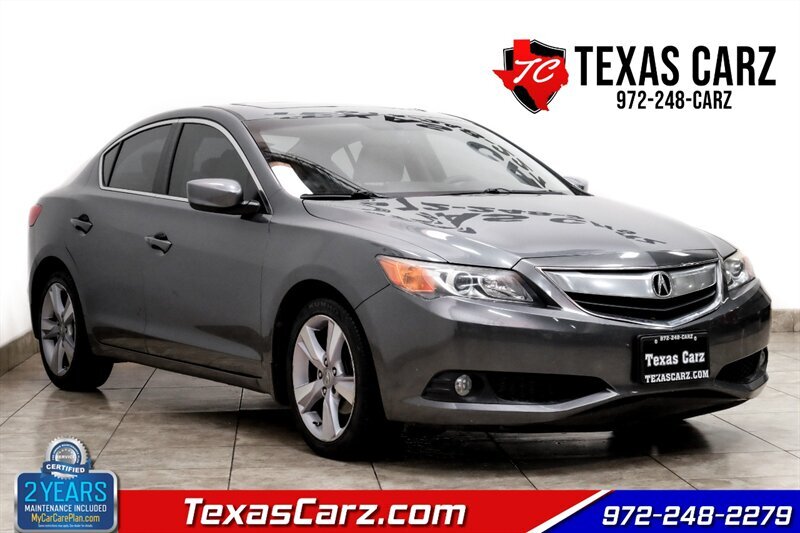
Excellent build quality, good fuel economy, and palatable starting prices make the 2013 Acura ILX an intriguing option for a compact luxury sedan. Still, there are other worthy alternatives that savvy shoppers should consider.
Vehicle overview
After a decade of moving upmarket and farther away from the entry-level buyer, Acura’s back with a new-generation compact model, the 2013 ILX. Smaller and less expensive than the TSX, the ILX sedan is aimed at shoppers who want something a bit nicer and sportier than the typical mainstream sedan but aren’t willing to step up to the higher expense of an established luxury car. Overall, the ILX is fairly successful in its mission. Nevertheless, you’ll also want to be aware of the limitations of this strategy.
The 2013 Acura ILX is based on the Honda Civic, but it’s slightly longer and wider and has unique styling that sets it pretty far apart from its Honda relative. Most importantly, there are significant engineering and interior enhancements. Dismissing the ILX as just a Civic wearing Acura badge would be unfair.
There’s just a single sedan body style, but Acura’s making up for the lack of coupe/hatchback options by offering three distinct powertrain options for the new ILX. The base ILX comes with a modestly powered but economical 2.0-liter four-cylinder engine and a five-speed automatic transmission. Markedly more performance comes from the ILX 2.4 and its larger, more powerful 2.4-liter four-cylinder. Unfortunately, this model comes only with a six-speed manual transmission. The third ILX model is the frugal Hybrid, which is the first hybrid-electric vehicle from Acura.
With a comfortable ride, comparatively spacious interior, and decent level of standard equipment, the base ILX is a new and interesting option for buyers looking for an affordable entry point into the premium Acura brand. The ILX 2.4 is compelling as a low-key premium sports sedan, but it is expensive about its absolute performance, and the lack of an automatic transmission limits its appeal. The ILX Hybrid delivers good — but not outstanding — fuel economy and also is relatively expensive.
The 2013 Acura ILX is one of but a few choices for a truly entry-level car from a luxury brand. The Buick Verano is one such model. It may not offer a hybrid version, but it’s less expensive to start and offers a strong 250-horsepower engine upgrade as well as a nicer interior. There are also the Audi A3 and Lexus CT 200h, two premium models worth cross-shopping with the ILX, as they offer hatchback utility and fuel economy similar to that of the ILX Hybrid.
One other aspect to consider is the ILX’s price once you’ve loaded it up with options. For the same money, you could also get a loaded version of a popular midsize sedan such as a Ford Fusion, Kia Optima, or Nissan Altima. You could also save some money and consider loaded versions of the Dodge Dart or Ford Focus. Most of these cars will offer the same number of convenience and luxury features as the ILX. But for somebody desiring a relatively affordable small sedan that’s good on gas and gives off a premium vibe, the ILX is a smart choice.
Is the 2013 Acura ILX a Good Used Car?
In general, the 2013 ILX is a good used luxury small car. It gets great gas mileage and has a smooth ride. Its upmarket cabin provides comfortable seats and lots of features, and its exceptional reliability rating and good safety scores further add to its appeal. However, this sedan isn’t as sporty as other cars in the class, nor does it offer the level of interior refinement or luxury that you’ll find in many European-badged competitors.
2013 Acura ILX models
The 2013 Acura ILX entry-level luxury sedan comes in six trim levels: base 2.0, base 2.0 with Premium package, base 2.0 with Technology package, base 2.4 with Premium package, Hybrid, and Hybrid with Technology package.
Standard equipment is pretty much the same for both the base 2.0 and Hybrid and includes 16-inch wheels, a sunroof, full power accessories, keyless ignition/entry, a leather-wrapped tilt-and-telescoping steering wheel, dual-zone automatic climate control, Bluetooth phone, and audio connectivity, a rearview camera and a six-speaker sound system with a CD player, an auxiliary audio jack, a USB/iPod audio interface, and Pandora integration.
Moving up to the Premium trims gets you 17-inch wheels, xenon headlamps, foglamps, leather upholstery, heated front seats, a power driver seat, a more advanced rearview camera, active noise cancellation (Hybrid excluded), and an upgraded seven-speaker sound system with satellite radio. Acura also offers the Premium package-equipped ILX with the 2.4-liter engine configuration.
The Technology trim (oddly not available on the 2.4) includes the equipment from the Premium package and adds a hard-drive-based navigation system and a surround-sound audio system with digital music storage.
2013 Highlights
The 2013 Acura ILX is an all-new model.
Performance & mpg
The standard engine for the 2013 ILX is a 2.0-liter four-cylinder engine that generates 150 hp and 140 pound-feet of torque. The only transmission offered is a five-speed automatic that sends its power to the front wheels. In Edmunds performance testing, this powertrain brought the ILX from zero to 60 mph in 9 seconds. That’s average for a compact economy car but slow for a compact wearing a premium badge. Fuel economy is pretty respectable at 24 mpg city/35 mpg highway and 28 mpg combined.
The ILX with the Premium package can also be had with a 2.4-liter four-cylinder engine that’s rated at 201 hp and 170 lb-ft of torque. A six-speed manual transmission is standard; an automatic isn’t available for this configuration. In Edmunds performance testing, the ILX 2.4 went from zero to 60 mph in 7.1 seconds. This is average for both entry-level luxury sedans with a base engine and regular midsize sedans with an upgraded engine. Some fuel economy is sacrificed in return for more spirited performance, but not much: The ILX 2.4’s ratings are 22/31/25.
The ILX Hybrid uses the same propulsion setup Honda employs in the Civic Hybrid: a 1.5-liter four-cylinder coupled with Honda’s well-known Integrated Motor Assist, an electric motor that acts as an occasional power booster and to convert braking energy into electricity, which is used to recharge the hybrid ILX’s modestly sized lithium-ion battery pack. The motor and gasoline engine produces 111 hp and 127 lb-ft of torque.
A continuously variable automatic transmission is standard. Performance-oriented gearing unique to the ILX Hybrid produces fuel economy of 39 city/38 highway and 38 mpg combined, markedly less than the Civic Hybrid’s 44 mpg across the board. We can’t say it did much for the car’s performance, though, as the ILX Hybrid goes from zero to 60 mph in 10.4 seconds, which is slower than the Civic Hybrid. Still, that’s the same as a Lexus CT 200h.
Used 2013 Acura ILX Performance and Interior
There are two powertrains available in the 2013 ILX. The base setup includes a 150-horsepower 2.0-liter four-cylinder engine paired with a five-speed automatic transmission. This powertrain is weaker than many rivals’. It is better suited to drives around town than long-distance highway cruises. A 201-horsepower 2.4-liter four-cylinder is available, and it comes with a six-speed manual transmission. This engine has better punch and produces quicker acceleration, but its exclusive pairing with a manual gearbox may be off-putting for some. With the base powertrain, the ILX gets up to 24 mpg in the city and 34 mpg on the highway, which is great for the class.
The ILX has a smooth ride and forceful brakes. However, it is not a sporty entrant in the luxury small car class. It has vague steering that provides little road feedback, and there is noticeable lean when going through quick corners.
For the most part, the ILX has nice interior materials and handsome styling, though many entry-luxury competitors look and feel more luxurious inside. Cloth upholstery and a leather-wrapped steering wheel come standard, while leather upholstery and a power-adjustable driver’s seat are available. The front seats have lots of padding to keep you comfortable. The cramped rear seats don’t have much headroom, but most adults should be comfortable enough on short trips. Each of the outboard rear seats has a full set of LATCH child-seat connectors, as well as an additional upper tether anchor on the middle rear seat.
Lots of features come standard in the 2013 ILX, including dual-zone automatic climate control, a sunroof, push-button start, keyless entry, Bluetooth, a USB port, and a six-speaker audio system. Available upgrades include navigation, a surround-sound audio system, and satellite radio. The ILX’s cabin controls are user-friendly and logically arranged. The audio controls are all made up of physical buttons and knobs. (Many competitors force you to use a touch screen for commonly used settings.) With only 12.3 cubic feet of cargo room, the ILX has a smaller trunk than most rivals.
How Reliable Is the 2013 Acura ILX?
The ILX has an exceptional reliability rating of five out of five from J.D. Power. Luxury small cars tend to have higher reliability scores than other vehicles on the market, but the ILX’s rating stands out even in the class.
Safety
The 2013 Acura ILX comes standard with antilock brakes, stability and traction control, front-seat side airbags, side curtain airbags, and active front head restraints. A rearview camera is also standard.
In government crash tests, the Acura ILX earned a top five-star rating for overall protection in crash tests, with four stars total for frontal-impact safety and five stars for side-impact safety. The Insurance Institute for Highway Safety gave the ILX a top score of “Good” for the car’s performance in frontal-offset, side-impact, and roof-strength tests. In Edmunds brake testing, the ILX Premium 2.0 came to a stop from 60 mph in 121 feet, which is a little better than average. Curiously, the supposedly sportier ILX 2.4 stopped in 130 feet, which is longer than average. The Hybrid posted the same distance.
Driving
Nobody is going to mistake the 2013 Acura ILX for a BMW 3 Series, but overall performance is more than adequate for everyday commuting duty. The standard 2.0-liter engine’s 150 hp delivers the sort of acceleration you’d expect from a non-luxury compact car, but the engine revs willingly and enjoyably, so wringing the most from it is not an annoying task. The ILX Hybrid is slower still but obviously benefits from dramatically improved fuel economy. It can’t accelerate using electricity alone, however, and the hybrid system isn’t as sophisticated or seamless as that of a Lexus.
The ILX with the 2.4-liter engine is a different animal, as its sporting exhaust note and greater horsepower translate to markedly quicker acceleration. We’re also quite fond of the precision-machined action of the six-speed manual transmission, which is one of the easiest and most enjoyable to use in any car.
Acura’s loyal band of driving enthusiasts might be disappointed that the ILX 2.4 doesn’t come with any sportier suspension or steering calibrations, but the ILX in general is a sure-footed and pretty nimble car to pilot. The ride quality is an almost ideal compromise between control and comfort, although the tires do seem to generate more chatter through the cabin than we’d prefer, as do the small imperfections of broken pavement.
Interior
The ILX’s interior is impeccably well constructed, but the materials used aren’t a step up from top non-luxury sedans. Similarly, the design features Acura’s typical high-tech vibe, but the inside doesn’t exactly scream “luxury!”
Nevertheless, if you’re looking for high-tech features to go along with that high-tech vibe, the ILX delivers. There is a 5-inch display screen topping the center stack for the myriad infotainment functions, and smartly placed buttons and knobs to control them. A 6-inch screen comes with the navigation/upgraded audio systems. Another nice feature is that even the base ILX audio can convert SMS text messages to speech.
Special care was used in designing the seats to be supportive, yet not give the impression of confinement or hardness. The ILX is also pretty spacious for a compact car, with a decent amount of backseat room. Trunk space, at 12.4 cubic feet, is average, and the opening is a little narrow. The rear seat folds down to facilitate carrying longer items, but the seatback is not split to permit a mix of long cargo and a passenger or two in the backseat. The Hybrid, due to its battery pack, drops to 10 cubic feet of space.
2012 Hyundai Genesis Coupe 2.0T Premium review
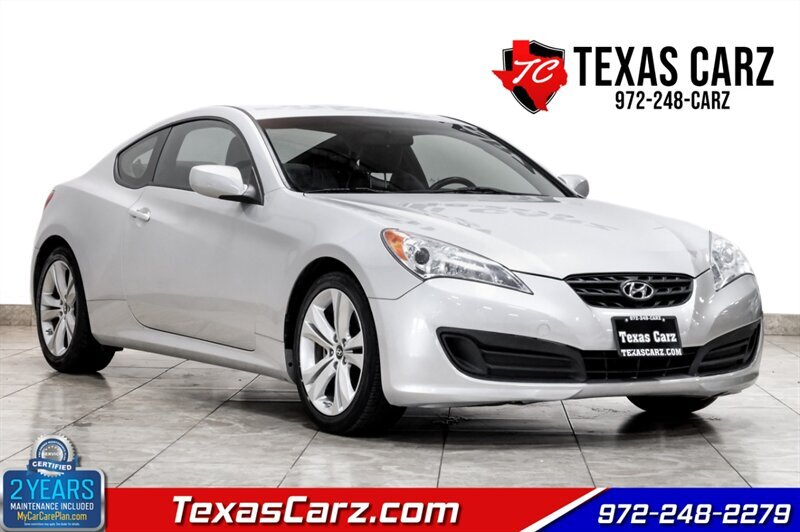
According to Hyundai America CEO John Krafcik, 2011 marked the highest calendar-year sales ever for the Genesis coupe. The confessed factoid freak calmly references this fact from the passenger seat of a 2013 Genesis coupe as we skim across the Nevada Desert floor at speeds well over the century mark. Krafcik is busy peppering me with questions about the car—and other cars, and Apple, Sony, BlackBerry, and the current state of EPA regulations, among other topical concerns—and snapping photos when we roll over a cattle grate without drama; doing so in the pre-refresh Genesis coupe would have sent reverberations throughout the entire car. He smiles approvingly, then returns his attention to his BlackBerry and begins hammering out another series of messages. Note to Genesis coupe suspension engineers: Now may be the time to ask for a raise.
We gave you a look at Genesis’s revised fascia when it debuted at the Detroit show back in January, and we can now confirm our suspicion that the hood is an entirely new stamping, a costly proposition for simple midlife revamp. The paintwork on the dozen or so examples we examined was flawless, and the Genesis looks light-years better—and bigger—in the flesh than in photographs. But the real news is the pair of significantly reworked engines residing under that fresh hood.
2012 Hyundai Genesis Coupe models
The 2012 Hyundai Genesis Coupe is a performance coupe available in six trim levels: 2.0T, 2.0T R-Spec, 2.0T Premium, 3.8 R-Spec, 3.8 Grand Touring, and 3.8 Track.
The entry-level 2.0T comes standard with 18-inch alloy wheels, automatic headlights, air-conditioning, cloth upholstery, cruise control, full power accessories, a trip computer, a leather-wrapped steering wheel, a tilt-only steering wheel, Bluetooth phone and audio connectivity, and a six-speaker sound system with a CD player, satellite radio and a USB/iPod interface.
The performance-oriented 2.0T R-Spec loses a few minor convenience items (such as cruise control) but adds 19-inch wheels with summer tires, Brembo brakes, a more firmly tuned suspension and a limited-slip rear differential, plus front seats with leather bolsters and red cloth inserts. The 2.0T Premium loses the R-Spec’s mechanical upgrades but gains a sunroof, automatic climate control, a power driver seat, keyless ignition/entry, an auto-dimming rearview mirror, a navigation system, and an Infinity 10-speaker premium sound system.
The 3.8 R-Spec’s standard equipment list is similar to the 2.0T R-Spec with the addition of the 3.8-liter V6 engine. The 3.8 Grand Touring is equipped much like the 2.0T Premium but adds heated mirrors, rear parking sensors, leather upholstery, and heated front seats. The 3.8 Track adds xenon headlights, a rear spoiler, and the R-Spec model’s performance-related hardware.
2012 Highlights
The 2012 Hyundai Genesis Coupe returns unchanged.
Performance & mpg
A choice of two engines powers the rear-wheel-drive Hyundai Genesis Coupe.
The 2.0T models get a turbocharged 2.0-liter four-cylinder engine that produces 210 hp and 223 pound-feet of torque. A six-speed manual is standard, while a five-speed automatic is optional. In Texas Carz performance testing, a manual-equipped 2.0T went from zero to 60 mph in 6.9 seconds. EPA estimated fuel economy is 21 mpg city/30 mpg highway and 24 mpg combined with the manual transmission, and 20/30/23 with the automatic.
The 3.8 models come with a 3.8-liter V6 that’s good for 306 hp and 266 lb-ft of torque. A six-speed manual is standard and a six-speed automatic is optional. In Texas Carz performance testing, a 3.8 Genesis Coupe with the manual went from zero to 60 mph in 5.9 seconds. Fuel economy estimates stand at 17/26/20 mpg with the manual and 17/27/20 mpg for the automatic.
Safety
The 2012 Hyundai Genesis Coupe comes standard with stability control, antilock disc brakes, front-seat side airbags, full-length side curtain airbags, and active front head restraints. In Texas Carz brake testing, both a 2.0T and 3.8 Track stopped from 60 mph in an impressively short 111 feet.
Driving
From behind the steering wheel, the 2012 Hyundai Genesis Coupe impresses with its solid handling, precise steering, and generally likable ride quality. The firmer suspensions and high-performance tires under R-Spec and 3.8 Track models deliver even more impressive handling, though ride comfort suffers in the process.
Most buyers will find the levels of performance offered by the 2.0-liter turbocharged four-cylinder engine to provide plenty of fun. That said, we think the rush of acceleration and a gutsy exhaust note that comes with the 3.8-liter V6 will be hard for many ordinarily level-headed buyers to resist.
Interior
The cabin of the Genesis Coupe boasts an alluring mix of eye-catching contours and generally high-quality materials. The dash’s swooping curves flow into the door panels, although this interesting design requires an unconventional orientation for the power window and mirror switches.
The driving position is excellent (especially with the available power seats) and offers abundant outward visibility despite the low-slung seating position. However, the lack of a telescoping steering wheel means that a driver with shorter legs might find the wheel uncomfortably close to their chest. The controls are generally intuitive except for the standard iPod interface, and despite being an upgrade, the Infinity audio system generates only mediocre sound.
The front seats are superbly shaped for both enthusiastic driving and long-distance cruising. The rear seat, though, is strictly for kids and cargo. The 10-cubic-foot trunk is surprisingly useful, particularly with the rear seats folded down.
Remove Snow from Your Car

Nothing’s worse than having to wake up early on a snow day to clear the buildup off your car. But if you’ve got to do it, you might as well do it right and do it fast. Here’s how.
Clear the snow from around your vehicle
- Before you tackle accumulations on the windows, check to see that the tailpipe is free of snow. Snow covering your tailpipe could lead to carbon monoxide buildup in your car. After that, turn on the car and run the defroster. It may take five minutes or more to warm up the car and start the melting process. Clear snow from the roof, hood, and trunk lid while you wait.
- Next, clear the side windows and rear windows. Do the windshield last to give the defroster more time to start melting the ice.
- Don’t forget to clear your exterior mirrors, headlights, taillights, and turn signals. Your last steps: Clear off and dry your wiper blades and make sure your wiper fluid nozzles are clear. If your wipers are more than six months old or they’re not clearing the windows properly, it’s time to replace them.
Step 1: If you park your car in the driveway, prepare for the storm before it starts by backing out as close to the street as possible (without blocking the sidewalk, of course). That way, you’ll have less driveway to shovel out to get on the road.
Step 2: Shovel the wheels out before moving on to the rest of the driveway. While you’re focusing on the lower half of the car, check that your tailpipe is clear of snow. A blockage could cause deadly carbon monoxide gas to fill the interior once the car is turned on.
Step 3: Grab a foam brush or non-abrasive snow broom and start removing snow from the car gently. Common damage from improper snow removal are scratches in the paint. These could be light or very deep depending on the situation. A nylon brush for example over the paint may leave light scratches that will be visible once the car is clean on a sunny day. Remove the snow with a shovel—I’ve seen it done—and you’re at risk for a very deep scratch that is either beyond a simple repair or would require a repaint.
Step 4: Start from the roof of the car and work your way down to the windows, hood, trunk, rear, and front lights. Pull the snow off the car, don’t push it. And keep your swipes in a straight line. That way, if an accidental scratch does occur, it will be less apparent.
Step 5: Don’t feel you need to get every last bit of snow off the car. It’s alright to turn on the heat and defroster and let modern technology do the rest. If it doesn’t clear off, though, you’ll want to get back outside and finish the job. Driving with snow on the car is dangerous (and in many cases illegal).
Watch for fog buildup on the interior windows
Also, clean your interior windows at least once a week during the winter. Over time, the film can build up on windows, increasing the potential for fogging. Your local automotive supply store also carries products that you can apply to reduce interior fogging.
Sometimes your visibility can be hampered from inside the car. Always keep the air vent set to “fresh” rather than “recirculate,” which can contribute to foggy windows. Your vehicle’s defroster can help reduce the problem, as can opening your windows slightly. For best results, use your air conditioner. Air conditioners are designed to remove moisture from the air, and they can do that job even when the heater is on. Finally, keep a clean microfiber cloth in the car to clear stubborn foggy spots.
The driver and passengers should shake off as much snow and moisture from their clothes and shoes as possible before entering the car. This lessens the moisture level in the carpeting and upholstery and helps prevent fog buildup.
2017 Jeep Cherokee Review
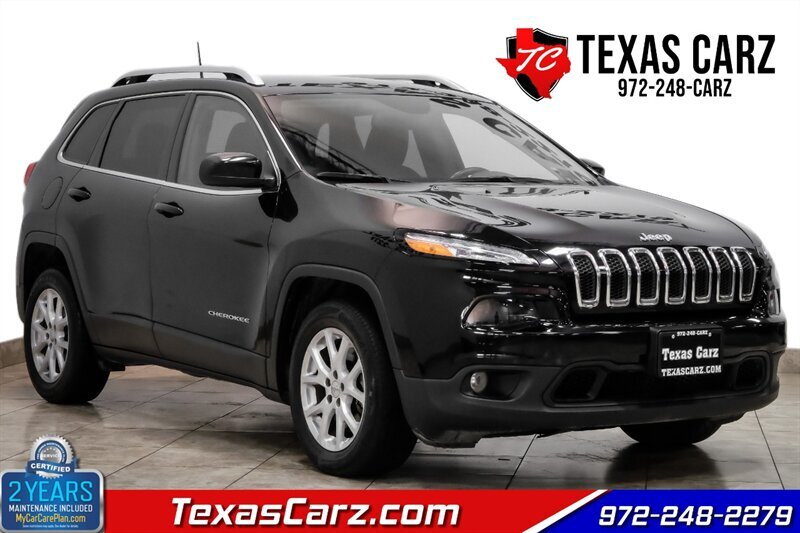
Overall rating
If the 2017 Jeep Cherokee is going to stand out during your search for a small crossover SUV, its exceptional off-road ability is likely going to come to the fore. That’s what Jeeps are known for, after all, and particularly in “trail-rated” Trailhawk trim, the Cherokee can take on dirt and rocks better than any other rival crossover. But most shoppers are looking for pavement-based performance in this class, and fortunately, the Cherokee succeeds here as well. With a supple suspension and a strong V6 engine option, plus an excellent 8.4-inch touchscreen inside, the 2017 Cherokee is equally prepared for the daily grind.
We’re less bullish on the Cherokee’s standard four-cylinder engine, which suffers from lackluster acceleration and a nine-speed automatic transmission that doesn’t shift as crisply as we’d like. But if that underhood tandem doesn’t bother you too much, there’s not much else about the Cherokee that merits disapproval. To some, the sleek styling might seem un-Jeep-like, but we’d counter that it shows the company’s forward-looking perspective. More objectively, the Jeep does come up a bit short in regard to cargo space, as some rivals allow you to shove more stuff in the back, which can enable bigger Costco runs or less cramped road trips.
If you’re not totally sold on the Cherokee, you picked a great segment for cross-shopping. The usual suspects include the tried-and-true Honda CR-V and the Toyota RAV4, with the latter also available in the exceptionally fuel-efficient Hybrid form. For more driving excitement, we’d steer you toward the athletic yet wholly practical Mazda CX-5. Meanwhile, the Subaru Forester delivers welcome doses of style and value. But with its blend of off-road skills and on-road refinement, the 2017 Jeep Cherokee continues to make a strong case for itself.
Standard safety equipment on all 2017 Jeep Cherokees includes antilock disc brakes, stability and traction control, front- and rear-seat side airbags, side curtain airbags, and front knee airbags. A rearview camera is optional on the Sport trim level and standard on all other models. Cherokees with the 8.4-inch touchscreen come with a Uconnect Access system that includes automatic crash notification, on-demand roadside assistance, remote door unlocking, and stolen vehicle assistance.
Trailhawk, Limited, and Overland models can also be equipped with an optional package that adds adaptive cruise control, a forward collision warning and mitigation system (with automatic brake intervention in potential collision situations), a lane departure warning system, blind-spot monitoring, and rear cross-traffic alert.
In Texas Carz brake testing, a Cherokee Trailhawk came to a stop from 60 mph in 131 feet. The all-terrain tires contributed to that lengthy stop, but it’s still one of the longest distances we’ve recorded in this segment. A Cherokee Limited with more common all-season tires and 4WD came to a stop in 122 feet, which is about average.
In government crash tests, the Cherokee received an overall rating of four out of five possible stars, with four stars for total front-impact protection and five stars for total side-impact protection. The Insurance Institute for Highway Safety gave the Cherokee the best possible rating of Good in the moderate-overlap front-impact, side-crash, and roof-strength crash tests. The Cherokee’s seat and head restraint design was also rated Good for whiplash protection in rear impacts, but the Jeep received a Marginal rating (second-worst of four) in the small-overlap front-impact test. The IIHS also tested the Cherokee’s optional forward collision mitigation system and gave a high score of Superior.
Is the 2017 Jeep Cherokee a Good Used SUV?
The 2017 Jeep Cherokee isn’t a great option if you’re shopping for a used compact SUV. The Cherokee has a luxe interior, user-friendly tech features, and impressive off-road ability in its Trailhawk trim, but these positives aren’t enough to outweigh its negatives. The Cherokee rates below-average for predicted reliability, and it yields an unimpressive fuel economy. Before settling on the Cherokee, consider higher-rated alternatives in this class, like the 2017 Honda CR-V, Mazda CX-5, and Hyundai Tucson.
Why You Can Trust Us
We’ve researched 32 Jeep Cherokee reviews, as well as hard data points like reliability scores and cost of ownership estimates, to help you make the best car-buying decision possible.
U.S. News Best Cars have been ranking and reviewing vehicles since 2007, and our team has decades of experience in the auto industry. Though we’re passionate about cars, we’re even more committed to providing helpful consumer advice. To maintain objectivity, we don’t accept expensive gifts or trips from car companies.
What’s it like to live with?
Want to know more about the Jeep Cherokee, such as what it’s like to live with? As a part of our long-term test program, we got our hands on a 2014 Jeep Cherokee and drove it for a year. We lived with it for over 20,000 miles, driving it to work, taking it on long road trips, and logging all sorts of impressions and information along the way. There are some minor differences between the 2014 and 2017 models, such as the addition of optional safety features and upgraded standard equipment including xenon headlights. But 2017 is in the same generation as our test Cherokee, so most of our observations still apply.
2017 Jeep Cherokee models
The 2017 Jeep Cherokee is a five-passenger crossover SUV offered in five main trim levels: Sport, Latitude, Trailhawk, Limited, and Overland.
Standard equipment on the Sport includes 17-inch steel wheels, LED running lights and taillights, remote keyless entry, a tilt-and-telescoping steering wheel, cruise control, height-adjustable front seats, sliding and reclining rear seats with 60/40-split-folding seatbacks, Bluetooth, a USB charge-only port, and a six-speaker audio system with a 5-inch touchscreen interface, an auxiliary audio input, and an SD card reader.
The Latitude adds alloy wheels, roof rails, foglights, automatic xenon headlights, a rearview camera, body-colored door handles and mirrors, tinted glass, LED interior lighting, upgraded cloth upholstery, a folding front passenger seat with a storage compartment inside the seat cushion, a leather-wrapped steering wheel with built-in audio controls and a 115-volt outlet.
The off-road-themed Trailhawk comes with an advanced four-wheel-drive system (Active Drive II) and also boasts slightly wider 17-inch wheels and all-terrain tires, increased ground clearance, off-road-oriented suspension tuning, a locking rear differential, hill ascent, and descent control, skid plates, tow hooks, unique exterior trim, cloth and leather upholstery, a leather-wrapped shift knob, a larger driver information display with color graphics, satellite radio and Jeep’s 8.4-inch Uconnect touchscreen interface with a USB audio interface, Siri Eyes Free and smartphone-app integration.
The Limited sheds the Trailhawk’s off-road hardware, but it includes largely the same standard convenience items plus 18-inch alloy wheels, remote ignition, a wiper de-icer, upgraded power-folding side mirrors (with heating, integrated turn signals, and puddle lamps), keyless entry, and ignition, leather upholstery, heated front seats, a heated steering wheel, dual-zone automatic climate control, an eight-way power driver seat (with four-way power lumbar) and an auto-dimming rearview mirror.
The range-topping Overland includes its 18-inch wheels, rear parking sensors, blind-spot monitoring with rear cross-path alert, a power liftgate, unique body-color exterior trim, cornering lights, sound-deadening windshield and front windows, driver memory functions, a leather-wrapped instrument panel, wood steering-wheel inserts, upgraded leather upholstery, ventilated front seats, a power-adjustable passenger seat (with four-way power lumbar), a nine-speaker audio system with a subwoofer, a navigation system, and HD radio.
Some of the higher trims’ features are available on lower trims via optional packages or as standalone extras. Additional options, depending on trim, include various appearance packages (including a 75th Anniversary package that comes with bronze exterior trim and “tangerine” interior accents), a towing package, a dual-pane sunroof (power front, fixed rear), and a safety-oriented Technology package (automatic high beams, adaptive cruise control, forward collision warning with automatic emergency braking, lane departure warning, and lane-keeping assist, automatic wipers and — if not already specified — the upgraded exterior mirrors, rear parking sensors, and an automated parking system).
Standard on most 2017 Jeep Cherokees is a 2.4-liter four-cylinder engine rated at 184 horsepower and 171 pound-feet of torque. Optional on most is a 3.2-liter V6 that makes 271 hp and 239 lb-ft of torque. A nine-speed automatic transmission is standard with both engines.
You have your choice of front-wheel drive or four-wheel drive with either engine, but Trailhawk models are 4WD-only. Jeep offers two 4WD systems. Standard on four-wheel-drive Sport, Latitude, and Limited models is the light-duty Active Drive I 4WD system; it requires no input from the driver, though it does come with a Selec-Terrain dial that features different terrain modes. Standard on the Trailhawk and Overland and optional on the Limited is the more rugged Active Drive II system, which features low-range gearing and a locking rear differential along with an additional Rock mode for the Selec-Terrain dial.
The optional towing package gives V6 models a healthy 4,500-pound towing capacity.
When equipped with a front-wheel drive and a four-cylinder engine, the Cherokee is EPA-rated at 25 mpg combined (21 city/30 highway). Surprisingly, the V6 and front-wheel drive are nearly as good as 24 mpg combined (21 city/29 highway). EPA-estimated fuel economy for 4WD Cherokees is slightly less than above, with the Trailhawk bringing up the rear at 22 mpg combined with the four-cylinder and 21 mpg combined with the V6.
In Texas Carz testing, a V6-powered Cherokee Limited with Active Drive I went from zero to 60 mph in 7.4 seconds, a satisfactory showing for a small crossover with an upgraded engine. A Cherokee Trailhawk, also with the V6, fell back to 8.0 seconds.
Driving
The 2017 Cherokee is on the heavy side for this segment, which is why the four-cylinder engine can feel sluggish despite its competitive horsepower and torque. This engine also has a more raucous sound than some other four-cylinders in this class. We like the V6 engine, though; it gives the 2017 Cherokee a relaxed, refined demeanor not found in the typical four-cylinder SUV. There’s plenty of power, too, and the nine-speed automatic feels more at home in this pairing. With either engine, though, that transmission can be a bit reluctant to downshift once you’re cruising on the highway.
The Cherokee is exceptionally quiet for this class at elevated speeds, and over rough city streets, it provides about as cushy a ride as you’ll find for the money. The downside is that the Jeep feels rather ponderous when going around turns. Its steering is precise, but there’s nothing like the sportiness that segment standouts such as the Ford Escape and Mazda CX-5 bring to the table. All Cherokees have solid off-road potential if one of the 4WD systems is specified, but it’s the Cherokee Trailhawk that stands out for its trail-conquering ability. If you have the inclination, the Trailhawk can take on some pretty serious terrain, thanks to its low-range gearing, rear locking differential, and other exclusive off-roading equipment.
Interior
The cabin of the 2017 Jeep Cherokee has a quality look and feel, especially on upper trim levels. The available Uconnect 8.4-inch touchscreen isn’t the freshest system in this class anymore, but it’s still wholly satisfying thanks to easy-to-navigate menus, large virtual buttons, and an accompanying knob that makes whipping through long lists a breeze. It’s certainly worth the extra cost if you can make the jump out of the Sport.
Passenger quarters are generous in the 2017 Jeep Cherokee. It’s easy to get comfortable in the available power driver seat, which offers ample adjustability, but we also like that even the manual front seats come standard with height adjustments for both driver and passenger. The Cherokee also features one of the better backseats in the compact crossover class. Not only does it recline, but it also provides for fore-and-aft adjustment, and the high-mounted bench supports adults’ thighs without pushing their heads into the rafters.
Alas, cargo capacity is unimpressive. There are just 24.6 cubic feet of space behind the second row and 54.9 cubic feet with the rear seatbacks folded down. Both figures are 5 to 15 cubic feet less than what most other small crossover SUVs offer; indeed, they’re closer to the norm in the smaller subcompact crossover class. Another drawback is the lack of useful storage space up front for personal effects.
Issues Caused By Rear-End Collisions

Collisions of all kinds cause severe issues to the structure of a car. Many of these issues are usually well visible because of the impact on the car. Rear-end collisions, however, can have a lot more hidden issues that you may not be aware of. This is why it’s important to bring your car to an auto collision center such as Texas Carz even if the collision wasn’t major. In this article, we’ll look at the hidden issues caused by rear-end collisions.
Frame Bending
Most cars’ bumpers are plastic which has been designed and painted to resemble the rest of the metal frame. But that means that when they get cracked or dented, there is a good chance that the damage may have reached the metal structural frame behind them. Even minor accidents can cause frame damage to your car. This can significantly reduce the amount of impact your car can withstand, putting you in danger if you experience another collision.
Vehicle Alignment Issues
Alignment issues after a rear-end collision are hard to spot unless observed and tested by a trained technician. If not addressed, alignment issues can cause several performance challenges including difficulty steering, keeping within your lane, and severe tire wear.
Misaligned Wheels
There may be no noticeable physical signs when your wheels are knocked out of alignment by a rear-end collision. However, you may notice it when driving. If your vehicle starts to swerve, the steering wheel seems wobbly, or you feel unusual vibrations while driving, your wheels could be misaligned. Cars with misaligned wheels are dangerous to drive, but they can also cause uneven wear on your tires.
Transmission Problems
The impact of rear-end collision is absorbed by the engine transmission causing all sorts of pressure on the parts that make up the transmission. This is especially true for rear-wheel and all-wheel drive vehicles as they depend on the transmission system to provide added performance to the vehicle. Just like alignment issues mentioned above, transmission problems may not be felt immediately, however, after some time you’ll start experiencing transmission issues that could be very costly.
Electrical Issues
Even a small jolt can cause issues with the electrical wiring that exists at the rear of your car. This can affect several electronic components such as your speakers and sound system, your car’s battery, and, perhaps most importantly, your tail and signal lights. This isn’t just a nuisance, it is downright dangerous.
Auto Body Issues
While there may not be any visible damage to the outside of the car, internally, a rear-end collision may have caused serious damage to the frame of the car. The frame of the car is built to certain precision parameters, at which level the car functions normally and is safe to drive. When a rear-end collision happens, the integrity of the frame is compromised, causing a chain of events that put other systems in the car at risk. This is why it’s important to get your car checked out by Texas Carz a certified auto body shop following an auto collision.
Trunk Malfunctions
Your trunk could be in for a lot of trouble in the event of a rear-end collision. For one, it is a prime target to suffer a lot of damage. But even if it doesn’t look like it has been impacted, it could still suffer from the following problems. The trunk lid could pop open unexpectedly while driving, not lock or not even open in the first place. Worst of all, you probably won’t notice any of these issues until you need to get into or lock your trunk.
Braking System
In an attempt to stop the car during a rear-end collision, the braking system is pushed to the limit and can wear out pretty quickly in just moments. Tires, for example, will lose much of their tread and braking pads will wear out quickly. Following a rear-end collision, don’t assume that your brakes will continue working because they may have lost that gripping power. It’s not uncommon for cars to develop leakage of brake fluid and to have it go unnoticed for some time.
Your Wellbeing
We can’t talk about the car without mentioning the impact rear-end collisions have on our human bodies. The action of being thrust forward or backward can cause issues to your body structure. Please make sure you get checked out by a healthcare provider. You can always replace a car but we can’t replace you.
Paintandbody.com
Chaneyscollision.com
Social Distancing After an Auto Accident

As some states begin easing stay-at-home orders, auto accidents may likely increase, yet COVID-19 cases are rising across the United States, which may also increase the risk for drivers to contract the virus after an accident occurs. Here are some tips to help drivers maintain social distancing measures following an accident during the pandemic as they share insurance information, get a vehicle appraised, and repaired.
Make Safety a Priority
- Make sure the roadway is safe before getting out of your car.
- Call 911 if anyone is hurt.
- Report the accident to the police if vehicle damage is severe or state law requires it.
Respect Personal Distance
- Maintain a social distance of six feet from other drivers, occupants, and any first responders.
- As an extra measure of precaution, consider wearing a mask when you interact with anyone at the scene of the accident.
- Ask to use your smart-phone and camera to exchange information and gather facts.
Capture Accident Facts
- Exchange information with the driver via text (name, phone, license plate numbers, as well as vehicle descriptions, including make, color, and model).
- Place insurance card and driver’s license on a flat surface and take pictures of both sides, and share with the other driver(s).
- Take photos of the damage to all vehicles involved and the accident scene.
Inquire with Insurance
When you contact your insurance carrier to inform them of the accident, ask if they have a mobile tool available to submit information digitally, should you choose to file a claim? If available, use the link provided to initiate the claims process from your smartphone.
MAINTAIN SOCIAL DISTANCING
Under normal circumstances, you would approach the other driver to exchange the required information. During these times, maintain all social distancing recommendations to the best extent possible. You can fulfill your legal obligations without a hand-to-hand exchange of documents.
Keep a consistent distance of six feet from other people.
If you have them, wear a protective mask and gloves when interacting with other involved parties.
Instead of exchanging pieces of paper, exchange mobile phone numbers verbally with the other driver, witnesses, and other involved parties. Send a text before leaving the premises to verify their phone numbers are correct. Text all required information and/or photos of documents to the other driver.
Alternatively, ask the other party to set their documents on a safe, flat surface, so you can take photos and/or write the information down with your pen and paper.
If using photos of documents, verify that all information is clear and visible in the picture before proceeding.
If the behavior of the other driver makes you feel unsafe, remain in your vehicle. Call for law enforcement and wait for them to arrive and assist.
SEEK NECESSARY MEDICAL ATTENTION
If you are injured in an accident, seek appropriate medical care promptly. If your injuries do not require immediate emergency treatment, consider the non-critical care options available to you.
Your best first step may be to contact your primary care provider or advice nurse for their recommendations about your situation. They may be able to address your initial needs with a telemedicine appointment or video call instead of an in-person visit.
Do not delay seeking a medical evaluation. If you are hurt in a car accident, it is important to contact your doctor soon after to initiate the course of your care and document injuries caused by the collision. Your doctor can help you determine what treatment is appropriate for your injuries, given the local healthcare system constraints at this time.
Insurance companies tend to argue that injuries are not serious and/or not related to the accident if the victim fails to seek treatment right away.
PREPARE FOR DELAYS
COVID-19 has impacted every aspect of our lives. You can expect the process of dealing with your accident will take longer – from medical treatment to communicating with insurance companies.
Typical insurance claim processing timelines are slower at this time. Personal injury lawsuits are experiencing court system delays and continuances. Non-emergency medical procedures, such as physical therapy, surgery, and referrals to specialists are lower priorities in an overwhelmed healthcare system.
Some insurance companies are leveraging these delays to pressure claimants into settling early for a lower offer that may not sufficiently cover damages. An experienced attorney can help you understand whether an offer is fair or undervalued.
Justice4you.com
carwise.com
What You Need To Know About Stellantis Company

Stellantis is a leading global automaker and mobility provider that offers clean, connected, affordable, and safe mobility solutions. The principal activity of Stellantis is the design, development, manufacture, and sale of automobiles bearing its 16 brands; Stellantis has approximately 300,000 employees, a presence in more than 130 countries with manufacturing facilities in 30 countries.
Establish and Origin
Stellantis N.V. is a multinational automotive manufacturing corporation formed in 2021 based on a 50–50 cross-border merger between the Italian-American conglomerate Fiat Chrysler Automobiles (FCA) and the French PSA Group. The company is headquartered in Amsterdam.
In terms of global vehicle sales in 2021, Stellantis was the world’s fifth-largest automaker behind Toyota, Volkswagen, Hyundai, and General Motors.
As for the name, well, the name “Stellantis” apparently comes from a Latin word called “Stello,” which means “to brighten with stars.” Stellantis’ all-star lineup comprises some of the most renowned car marques from France, Italy, and the United States. Dodge, Ram, and Chrysler are the three American marques that come under Stellantis North America.
Stellantis combines Groupe PSA’s Peugeot, Citroen, DS Automobiles, Opel, and Vauxhall with FCA’s Fiat, Chrysler, Dodge, Ram, Jeep, Abarth, Alfa Romeo, Lancia, and Maserati.
Brands
The full list of brands under the Stellantis group looks something like this, arranged alphabetically:
1. Abarth.
2. Alfa Romeo.
3. Chrysler.
4. Citroen.
5. Dodge.
6. DS.
7. Fiat.
7. Fiat Professional.
9. Jeep.
10. Lancia.
11. Mopar.
12. Maserati.
13. Opel.
14. Peugeot.
15. Ram.
16. Vauxhall.
With industrial operations in nearly 30 countries, Stellantis can consistently exceed consumers’ evolving needs and expectations in more than 130 markets while creating superior value for all stakeholders.
This is some placeholder text. Please replace this with your own content.
2016 Acura ILX Review
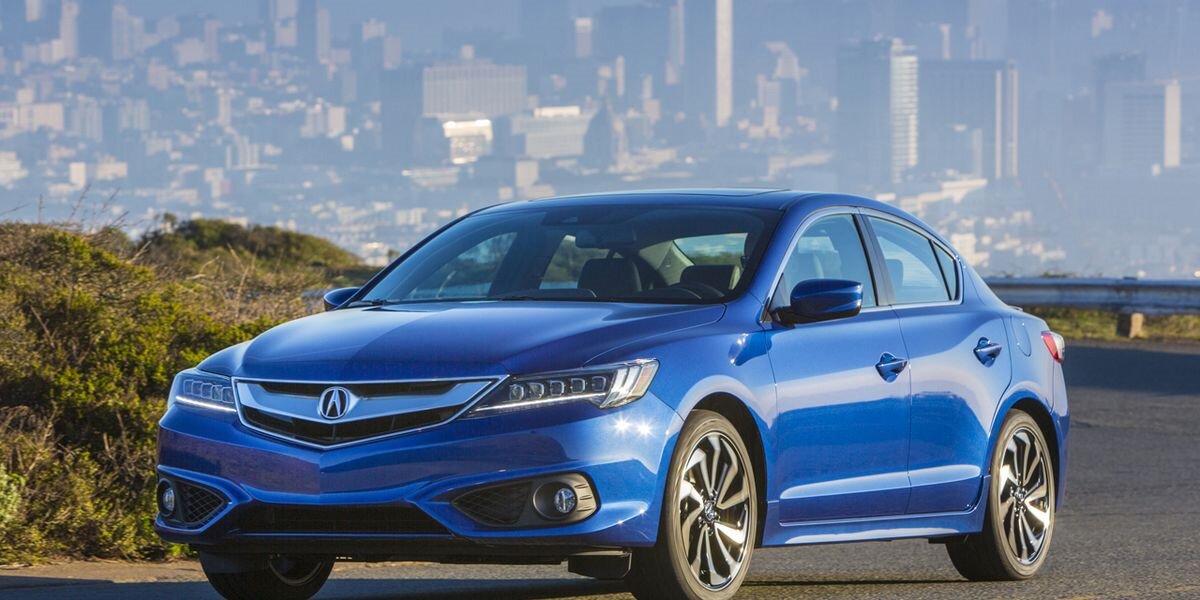
2016 Acura ILX w/Premium *** 1 OWNER *** LOW MILES *** BACK UP CAMERA *** ——- CARFAX CERTIFIED —– Welcome to Texas Carz, a family-owned and operated dealership. Please visit our website at https://www.texascarz.com/ to view additional pictures on this great vehicle and a free CARFAX. All our vehicles are handpicked, mechanically inspected, maintained, and qualify for CARFAX buyback guarantee! All cars come with 2 years maintenance agreement (Over $1000 of FREE maintenance services) Although we are a no-haggle dealership, all reasonable offers will be considered. TRADES ARE WELCOME. Extended service contracts are available up to 48 months/unlimited miles, for a very affordable price. Financing is available for all kinds of credit. ** Feel free to fill out a credit application on our website. Our team will work hard to find you the appropriate financial institution. Please do not hesitate to call us if you have any questions.
The 2016 Acura ILX has a great fuel economy, but it comes up short in nearly every other area. This car finishes near the very bottom of our luxury small car rankings because of its meager performance and dated-looking interior.
The 2016 Acura ILX has a sportier focus than other entry-luxury sedans, without sacrificing comfort and refinement.
Rankings & Research
The 2016 Acura ILX’s #16 ranking is based on its score within the 2016 Luxury Small Cars category. Currently, the Acura ILX has a score of 7.4 out of 10, which is based on our evaluation of 44 pieces of research and data elements using various sources.
2016 Acura ILX Overview
How Much Is the 2016 Acura ILX?
Expect to spend between $16,500 and $23,700 on the 2016 Acura ILX. The average list price is $19,900. These figures are based on 263 listings for the 2016 ILX on our site. Prices vary depending on the vehicle’s condition, mileage, features, and location.
How Much Does the 2016 Acura ILX Cost to Own?
Projected five-year costs for the 2016 Acura ILX’s gas, insurance, maintenance, and repairs are about $24,600, or $4,920 per year. By comparison, the 2016 Honda Civic, 2016 Honda Accord, and 2016 Acura TLX have slightly lower costs of around $19,930, $23,100, and $23,870, respectively, while the 2016 Audi A3 has similar costs of around $24,630.
How Much Does It Cost to Insure an Acura ILX?
The cost of insuring an Acura ILX will depend on a variety of factors, including your deductible, the level of coverage that you want, and the type of insurance that you choose. Your age, gender, location, credit score, and driving record can also have an impact on your insurance rates. Check out our car insurance guide to find the best policy for you.
Is It Better to Buy a Used or New ILX?
The 2018 Acura ILX starts at $28,100; that’s about $8,000 more than the average price of a used 2016 model. For 2018, Lexus added a new Special Edition trim that adds exterior styling elements. Otherwise, the 2018 ILX is nearly identical to the 2016 ILX. Unless you love the Special Edition trim, save yourself some money and opt for the 2016 model instead of a new 2018 ILX.
You won’t find a new luxury small car for less than the price of an average 2016 ILX. If you’re willing to consider a nonluxury car, however, you’ll have several options. The 2018 Honda Civic, for example, is a great new-car alternative to a used ILX. Both cars boast excellent fuel economy, agile handling, and comfortable rides. However, the Civic is better in each of these areas, and it starts at only $18,840. The Honda also has additional connectivity features, as well as more passenger and cargo space than the Acura. The base Civic’s interior isn’t as upscale as the Acura’s, but the Civic’s upper trims have more lavish cabin materials and amenities.
How Reliable Is the 2016 Acura ILX?
The 2016 Acura ILX has an above-average reliability rating of 3.5 out of five from J.D. Power. By comparison, the 2016 Honda Civic gets the same rating, while the 2016 Honda Accord receives a three. The larger 2016 Acura TLX and 2016 Audi A3 get below-average ratings of 2.5.
2016 Acura ILX Recalls
At the time of this writing, the 2016 Acura ILX has one safety recall. The driver’s frontal air bag inflator could rupture and increase the risk of injury in the event of a crash. Before you purchase an ILX, make sure that this recall has been resolved.
Which Model Year of the Acura ILX Is Best?
The 2016 Acura ILX is part of a generation that started with the 2013 model year and includes the 2018 ILX. Notable changes include the discontinuation of the ILX Hybrid for the 2015 model year and updated exterior styling, a revised powertrain, and additional available safety features for the 2016 model year.
Overall scores within this generation are relatively close, so you’ll want to shop around for the best combination of price and features.
Which Used Acura ILX Model Is Right for Me?
The 2016 Acura ILX comes in only one trim, but several packages are available. For the best value, look for models with the AcuraWatch Plus package. It adds a healthy complement of advanced safety features, like automatic emergency braking and adaptive cruise control. If you’d rather have leather upholstery, iPhone navigation app connectivity, an 8-inch display, satellite radio, and blind-spot monitoring with rear cross-traffic alert, look for models with the Premium package instead. Stay away from the Technology Plus package and its complicated dual-screen infotainment setup.
What Does Acura’s Certified Pre-Owned Warranty Cover?
Acura offers a certified pre-owned program for cars six years old or less and with fewer than 80,000 miles. Eligibility is determined by the vehicle’s initial sale date. Qualifying vehicles get a limited warranty that is good for up to two years or 100,000 miles after the four-year/50,000-mile new-car warranty has expired. Acura covers the powertrain for seven years or 100,000 miles. These CPO models must pass a 182-point inspection. Additional benefits are available, including roadside assistance and the first scheduled maintenance, so read Acura’s warranty page carefully.
Among luxury car manufacturers, Acura’s CPO program is about average, according to our research. You’ll find better programs from Lexus, Tesla, and Infiniti.
How Safe Is the ILX?
The Insurance Institute for Highway Safety named the 2016 Acura ILX a Top Safety Pick+, giving it the highest rating of Good in all crash tests conducted. It also earned the top rating of Superior for the effectiveness of its optional front crash prevention features.
The ILX also earned an overall rating of five out of five stars from the National Highway Traffic Safety Administration. It received five stars in the side crash test and four stars in the frontal crash and rollover tests.
Every 2016 ILX comes with a rearview camera. The Premium package adds blind-spot detection and rear cross-traffic alert. The AcuraWatch Plus package adds adaptive cruise control, forward collision warning, automatic emergency braking, lane keep assist, lane departure warning, and road departure mitigation.
2016 Acura ILX Versus the Competition
Which Is Better: 2016 Acura ILX or 2016 Acura TLX?
The 2016 Acura TLX is a luxury midsize sedan that has more passenger and cargo space and a higher-quality cabin than the smaller ILX. Moreover, the TLX offers an all-wheel drive and a V6 engine, upgrades that are not available with the ILX. These Acura sedans are similar in that they both get good gas mileage estimates. The ILX has a better-predicted reliability rating and more agile handling than the larger TLX, but the TLX is still a better car overall.
Which Is Better: 2016 Acura ILX or 2016 Audi A3?
Athletic handling and two available turbo-four engines help make the 2016 Audi A3 more fun to drive than the ILX. The Audi also offers all-wheel drive, and its standard features list includes a user-friendly infotainment system, rear parking sensors, and leather seats. The ILX, on the other hand, doesn’t have all-wheel drive, its infotainment system is confusing to use, and you’ll need to add an options package to get leather upholstery and rear parking sensors. That said, the ILX has a better reliability rating than the Audi.
Which Is Better: 2016 Acura ILX or 2016 Honda Civic?
The 2016 Honda Civic offers a lot of what the ILX does but at a more budget-friendly price. The Civic comes in both coupe and sedan body styles, it’s more fuel-efficient than the ILX, and it offers more smartphone connectivity features. Inside, the Civic has a comfortable interior with even more space than the ILX, and while the Civic’s interior isn’t as nice as the ILX’s, its higher trims have an Acura-like cabin. The ILX does have more standard amenities and horsepower, but the Civic is a better value.
Which Is Better: 2016 Acura ILX or 2016 Honda Accord?
When outfitted with the available automatic transmission, the 2016 Honda Accord gets slightly better fuel economy than the ILX does. The Accord doesn’t come with as much standard equipment as the ILX, but it does offer Android Auto and Apple CarPlay (neither of which are available in the Acura). The Honda also has more passenger and cargo space, as well as an available V6 engine. If you can forego a long list of standard amenities, go for the Accord.
2016 ILX Performance
How Does the 2016 Acura ILX Drive?
All 2016 Acura ILXs come with a 201-horsepower four-cylinder engine mated to an eight-speed automatic transmission. This powertrain delivers quick acceleration from a standstill with precise shifts. The engine strains to get up to highway passing speeds, though.
Does the 2016 Acura ILX Get Good Gas Mileage?
The 2016 ILX gets 25 mpg in the city and 35 mpg on the highway; these are great ratings for the class. The larger 2016 Acura TLX gets 1 less mpg in the city and the same highway rating, while the 2016 Audi A3 gets 23/33 mpg city/highway. With an automatic transmission, the 2016 Honda Civic gets 30/40 mpg, while the 2016 Honda Accord gets 27/36 mpg.
2016 ILX Interior
How Many People Does the 2016 ILX Seat?
The ILX seats up to five people in two rows. There’s plenty of room for adults in the front and rear, and the seats are comfortable, though side support is lacking. Leatherette upholstery and heated front seats are standard, and some models come with leather seats. Though it’s a quality interior, the ILX’s cabin isn’t as upscale as many of its competitors.
How Many Car Seats Fit in the 2016 Acura ILX?
There are two full sets of LATCH car-seat connectors on the ILX’s rear outboard seats. The Insurance Institute for Highway Safety gave this LATCH system the second-highest rating of Acceptable for its ease of use.
2016 Acura ILX Features
The 2016 ILX comes standard with a 5-inch display, Siri Eyes Free for iPhone users, push-button start, Bluetooth, Pandora internet radio compatibility, a six-speaker stereo, dual-zone automatic climate control, a multi-view rearview camera, a moonroof, and a USB port. Available features include a 7-inch touch screen, a 10-speaker stereo, voice recognition, a dual-screen navigation system, HD Radio, and satellite radio. Available safety features include adaptive cruise control, forward collision warning, automatic emergency braking, lane keep assist, rear cross-traffic alert, and blind-spot monitoring.
The ILX’s dual-screen display system is cumbersome. It shows redundant information, has too many small buttons, and the screens can be a distraction to the driver. Many competitors’ display controllers are positioned better than the ILX’s, which sits on the dashboard.
2016 Acura ILX Dimensions
Acura ILX Cargo Space
The 2016 ILX has 12.3 cubic feet of trunk space, which is on par with class rivals. There’s enough space for groceries or a set of golf clubs, but the rear seats aren’t split-folding. This means you can’t fit long cargo while carrying a third occupant. Cargo hauling is also limited by a narrow pass-through.
2016 ILX Length and Weight
The ILX is approximately 15 feet long, and its curb weight ranges from 3,093 pounds to 3,137 pounds.
2016 Acura ILX models
The 2016 Acura ILX entry-level luxury sedan comes with six different equipment levels: base, AcuraWatch Plus package, Premium package, A-Spec Package, Premium, and A-Spec package. and the Technology Plus package.
Standard equipment for the base model includes 17-inch wheels, a sunroof, automatic LED headlights, heated mirrors, keyless ignition and entry, a tilt-and-telescoping steering wheel, leatherette (premium vinyl) upholstery, an eight-way power driver seat, heated front seats, a fold-down rear seatback, dual-zone automatic climate control, a 5-inch information display screen, a multiview rearview camera, Bluetooth phone, and audio connectivity, and a six-speaker sound system with a CD player, a USB/iPod audio interface and Pandora radio and Siri Eyes Free smartphone app integration.
With the AcuraWatch Plus package, you’ll get all the base ILX equipment plus adaptive cruise control, a forward-collision warning system, automatic braking for frontal collision mitigation, a lane departure warning system, lane-keeping assist, and road departure mitigation.
The Premium package builds on the base car’s standard equipment as well, but it omits the AcuraWatch Plus equipment instead of blind-spot monitoring, rear cross-traffic alerts, leather front seats, a four-way power passenger seat, driver memory settings, an auto-dimming rearview mirror, an 8-inch upper information display (instead of the 5-inch screen), an additional 7-inch touchscreen and a seven-speaker audio system with HD radio, satellite radio and Aha radio smartphone app integration.
.Further up the ladder, the Technology Plus package adds the contents of the AcuraWatch Plus package and the Premium package as well as a 10-speaker ELS audio system, voice commands (including audio), a navigation system, and guidelines for the rearview camera.
You can add the A-Spec package to both the Premium and Technology Plus package equipment lines to get 18-inch wheels, foglights, a rear spoiler, side sills, and simulated-suede seat inserts with contrasting stitching.
2016 Highlights
For 2016, the Acura ILX gets freshened front and rear-end treatments, including new LED headlights, for a sharper look. The base 2.0-liter engine is no longer available, so the previously optional 2.4-liter engine is now standard in every ILX, and this year it produces some additional torque and comes with an eight-speed automatic transmission. Lastly, there are several new safety features available, including a blind-spot warning system, rear-cross traffic alerts, lane-keeping assist, forward collision mitigation, adaptive cruise control, and a multiview back-up camera.
Performance & mpg
Powering the base 2016 ILX is a 2.4-liter four-cylinder engine that’s rated at 201 horsepower and 180 pound-feet of torque. An eight-speed automatic is the only available transmission (it’s technically an automated manual transmission but it functions like a conventional automatic). The EPA’s estimated fuel economy stands at 29 mpg combined (25 city/36 highway).
Safety
The 2016 Acura ILX comes standard with antilock brakes, stability and traction control, front-seat side airbags, side curtain airbags, and active front head restraints. A rearview camera is also standard.
Optional equipment includes a frontal collision warning system, automatic braking for frontal collision mitigation, a lane departure warning system, lane-keeping assist, and road departure mitigation (which detects the potential for veering into objects such as trees or parked cars and applies the lane-keeping assist and collision mitigation systems).
Driving
In prior years, we preferred the ILX’s 2.4-liter engine over the underwhelming base 2.0-liter engine, so it’s nice to have the bigger engine standard this year. Better yet, you can finally get this engine with an automatic transmission, something most buyers will want in this class of the car. Still, the 2016 ILX is hardly a speed demon, and the engine has to work harder and rev higher than most competitors to accelerate with authority. The eight-speed automatic transmission’s steering-wheel-mounted paddle shifters and rev-matched downshift liven up the driving experience, but we noted some low-speed hiccups in fully automatic mode.
The 2016 Acura ILX’s ride quality is also disappointing. The car reacts stiffly over rough surfaces, yet it’s overly soft when encountering big highway dips. Road noise is also higher than average for this segment. In both regards, the Audi A3 is more refined and pleasing to drive. Around turns, the ILX’s precise steering helps the car feel sporty and direct, but its handling limits and fun-to-drive nature are ultimately modest for the segment.
Interior
While there are a few improvements to styling, the 2016 ILX’s interior mostly carries over from the previous year. That means the materials still aren’t much better than what you’ll find in top mainstream sedans like the Accord, though everything seems to be screwed together pretty well. In contrast, the Audi A3 feels much classier and more luxurious inside than the ILX.
You do get a fair number of features, though. The Premium and Tech Plus models benefit from a new, larger touchscreen on the center stack. Even with the optional larger screen, however, the ILX’s setup isn’t our favorite. It splits audio and navigation functions into two screens, and the control knob in the middle of the dash is less intuitive to use than the armrest-mounted controllers in the ILX’s German rivals.
Special care was used in designing the supportive seats, yet not overly firm or confining. The ILX is also pretty spacious for a compact car, with a decent amount of backseat room. Still, the headroom can be snug for 6-footers due to the car’s standard sunroof.
Trunk space, at 12.3 cubic feet, is average, and the opening is a little narrow. The rear seat folds down to facilitate carrying longer items, but the seatback is not split to permit a mix of long cargo and a passenger or two in the backseat.