
Sedan vs. Coupe
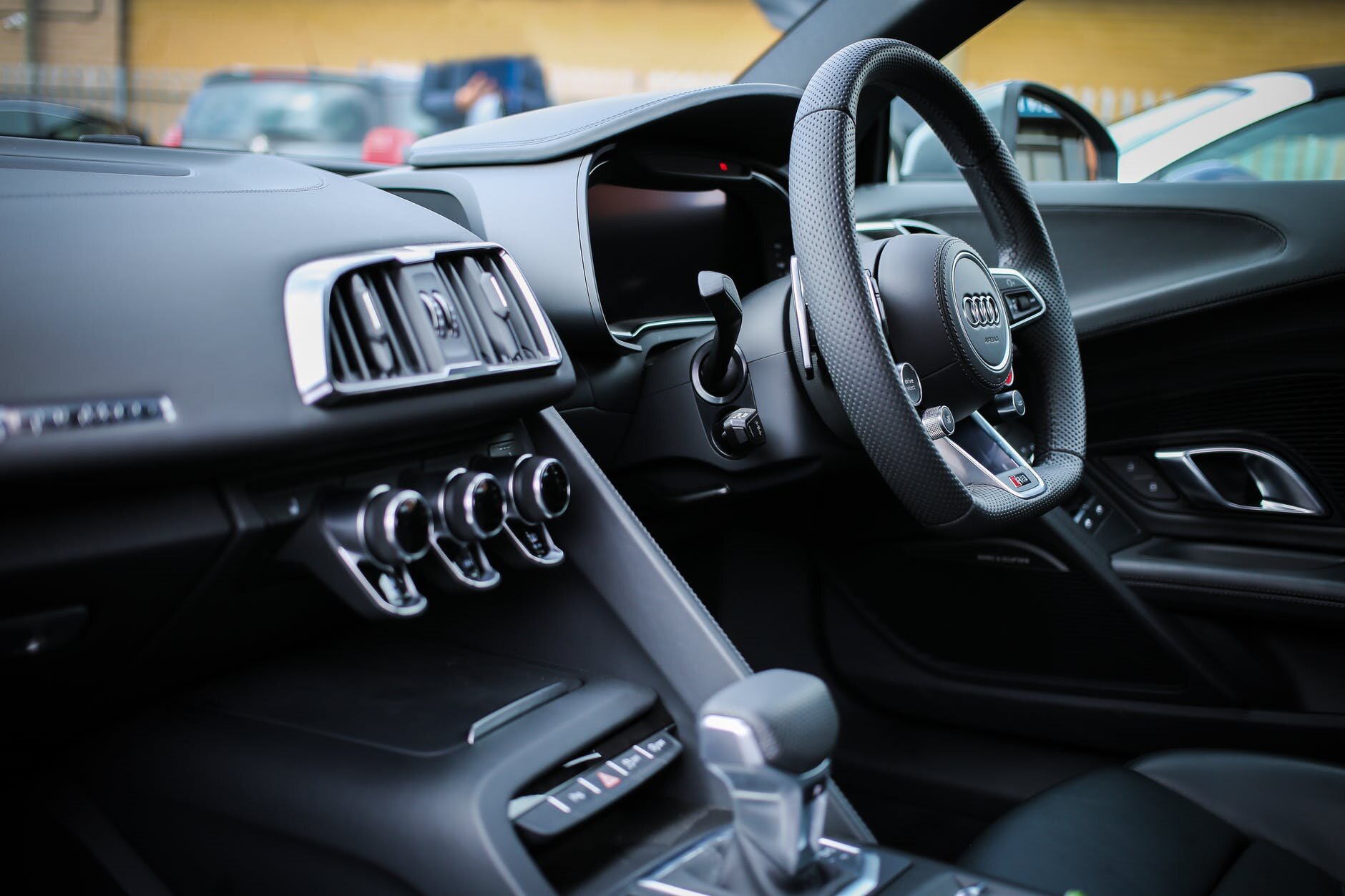
You’ve got your coupes, and you’ve got your sedans. Coupes are two-door cars and sedans have four doors. Case closed, right?
Not so fast.
While the number of doors is an important difference, auto manufacturers use coupe and sedan platforms differently to build more specialized vehicles for their customers. As a result, the differences between coupes and sedans go beyond their exterior styling.
Learning how to define a coupe, and what makes a car a sedan, can help you find the vehicle that best matches your needs and your lifestyle.
Let’s get into it. It’s tempting to think black and white here: sedans are for four adults, and coupes are sportier cars for two grownups and one or maybe two small kids. (You’re not going to make your mom fold herself into the back of your coupe for a trip to the store, are you?)
But wait. Sedans can be sporty and stylish too. Sexy, even. (Seen a Dodge Charger or a Hyundai Genesis lately?) These adjectives don’t belong solely to the coupe. On the other hand, some coupes allow plenty of extra entry these days (see the Mazda RX-8 and the Hyundai Veloster). Other examples of blurred lines include the Volkswagen CC and the Mercedes-Benz CLA; these two vehicles are listed by their manufacturers as four-door coupes.
What is a Coupe?
The first coupes appeared in the 1800s when carriage builders tweaked traditional coach designs to shorten them and make it easier for passengers to climb aboard. As the popularity of coupe cars grew in the 1960s, more automotive designers welded hardtops to two-seat, open cars as a nod to their carriage roots.
Soon after, the coupe car term started to blur as manufacturers greatly diminished or completely removed the rear seat to create a sportier 2+2 body style. This term refers to cars that have a sleek, sloping roofline, two doors, and two functional seats up front, plus two tiny seats in the back. More recently, auto manufacturers started to apply the coupe definition to the sporty variants of their sedan lineup. As a result, the coupe term has become more popular with manufacturers, who apply it more loosely. Automakers may also offer both a coupe and sedan using the same model line, like the Honda Civic. The ability to clearly define coupe vehicles has become challenging in recent years as a result.
Who looks for coupes? Drivers who want something on the sportier side, who are economy-minded, and who don’t have larger families tend to get the most out of these fun two-door vehicles.
Types of Coupe Cars
Two-door, two-passenger coupes are often performance-oriented vehicles such as the Audi TT, Porsche 911, and aforementioned Mazda Miata. Some two-passenger coupes have a mid-engine layout with the powerplant behind the passengers, like the 2020 Acura NSX and redesigned 2020 Chevrolet Corvette. These coupes often have storage in the front of the vehicle, with a second trunk area in the rear. The all-new Corvette has quite a bit of cargo capacity, with room for multiple pieces of luggage in the front and two golf bags in the back. As a result, it’s a surprisingly good choice for a couple’s weekend getaway and livening up a routine commute.
If more room is desired, two-door, four- or five-passenger coupes maintain that performance orientation with even more practical usage. Less practical examples include the Chevrolet Camaro, Ford Mustang, and Lexus RC. More practical coupes include the Audi A5, BMW 4 Series, Dodge Challenger, and Honda Civic coupe. A two-row coupe is a good choice if you mostly drive solo or with one other person and only on rare occasions carry more people.
Accessing the backseat in a two-row coupe is often a challenge, sometimes requiring an awkward step in, ahead tuck, and a full-body twist, with a similarly awkward ballet required for exiting. Ease of entry and exit is something to keep in mind when thinking about your usual passengers. Even when it provides room for five, a two-door coupe is not an ideal family or carpooling vehicle but is better for a daily driver or weekend wanderings on winding roads.
Two-door body styles are not limited to cars, with an array of SUVs over the years sporting two doors, although the distinctive low-slung roof lines of a coupe are often lost in the translation. The most popular two-door SUV is the Jeep Wrangler, in continuous production since the 1940s. More recent entries include the Land Rover Range Rover Evoque hardtop and convertible and the short-lived Nissan Murano Cross Cabriolet.
Over the last decade or so, marketers stretched the definition of a coupe to include low-slung four-door sedans such as the BMW 4 Series Gran Coupe, Mercedes-Benz CLS, and Audi A7. These four-door cars have long, low lines, and both the BMW and Audi cleverly hide a useful hatchback. But despite their sporty, low-slung profiles, purists insist these vehicles are sedans, not coupes, as long as the doors number four instead of two.
Muscular four-door SUVs, often with long descriptive names as if to clarify what the heck this vehicle is, are also part of this conversation. These SUV coupes started with the 2009 BMW X6 and now include many other examples like the Porsche Cayenne Coupe and Mercedes GLE Coupe. Toyota also ventured into this space with the C-HR, a compact crossover with funky door handles and a sharply sloping rear roofline.
There’s a wide range of coupe cars and SUVs in the market. When shopping for a two-door coupe, keep in mind ease of rear-seat access, headroom, and cargo space. And remember that 4-door coupes and coupe SUVs are also available for when you want to blend sporty styling with added practicality.
What is a Sedan?
The first sedan to hit the marketplace was from the Renault car company. This vehicle had two rows of seats and four doors but lacked a fully enclosed cabin space. It proved to be a popular style, and Cadillac produced and sold the first completely enclosed sedan in 1906. Other manufacturers quickly followed suit by producing enclosed passenger vehicles which precisely met the sedan definition. Beyond embracing modern styling and features, sedan designs have not changed much over the years.
Along with its two additional doors, the modern sedan has a longer wheelbase than most coupes. This extra length gives both front and rear passengers more room to stretch out. In most sedans, the rear bench seats can seat three adults comfortably with enough leg and headroom for all. There’s more cargo space too, which makes sedans like the Toyota Camry ideal for extended shopping excursions and road trips. To fully define sedan characteristics, these cars all have fixed roofs.
Sedans will appeal to a broader market than coupes; sales of sedans have slid a bit in the last decade as customers began to seek larger SUVs that can carry both passengers and more cargo.
What Is the Difference Between a Sedan and a Coupe?
Sedans are the most popular type of car body style, with a three-box side profile and four doors. Classic sedans include the Chevrolet Malibu, Honda Accord, and Toyota Camry. Sedans fit four to five people in two rows and usually have a decent-size trunk for luggage, ideal for smaller households. With good aerodynamics and lighter weight than an SUV, sedans appeal to those concerned with fuel economy and a lower price.
While four-door sedans reign supreme in popularity and practicality, the coupe is a sportier sibling, sometimes with just as much practical cargo room. A coupe has two doors with a trunk or a hatchback. The roof can be a hardtop or convertible. Some coupes seat only two people, but others have room for up to five. Coupe cars come in a wide range of sizes and price points, spanning the smallest vehicles like the Mazda MX-5 Miata to the grand Rolls-Royce Wraith Coupe, and numerous examples in between.
Coupe rooflines are often dramatic, with a pronounced slope to the profile, particularly in the back, lending itself to a tapered finish. The Interior headroom is sometimes compromised as a result, especially for passengers designated for the back seat. Coupes are best suited for buyers seeking a sporty look and feel, with minimal worry for back seat passengers.
Key Differences Between Sedans and Coupes
Knowing the key differences between sedans and coupes can save you time as you research all the various body styles on the market today. Do you know the differences?
Performance
The coupe’s shorter wheelbase and lighter curb weight naturally boost this car’s overall performance. Acceleration and braking performance, for example, are noticeably enhanced when a vehicle weighs several hundred pounds less.
Sedans tend to be heavier, but they compensate for the extra weight with optional engine upgrades as you’ll find on the Nissan Altima. If you’re looking for additional power, it’s possible to choose a larger V6 over a four-cylinder model. These larger, heavier cars often have suspension upgrades that improve their performance and handling.
Exterior style cues
Removing two doors to create a coupe can dramatically change a car’s exterior styling, and gives it a sportier look. The body’s window frames (known as the B and C pillars) adjust slightly to account for changes to the overall length. The result is longer doors and rear windows. The longer doors look great but can be challenging when you’re parking in smaller lots.
Many sedans, except four-door sports cars, of course, drop the sporty vibe in favor of a luxurious look and feel. The shorter doors make entering and exiting the vehicle much easier for all passengers, and the window and door pillar changes help create a more balanced side-profile appearance.
Interior comfort
The amount of space available in the backseat area of coupes varies considerably from model to model. With some cars, like the Hyundai Genesis, the smaller backseat is tailored to the comfort of the rear passengers despite a bit less legroom. The molded seats and integrated cup holders make riding in the back seat a comfortable experience. Like many other two-door cars, this model has no middle seat, effectively limiting passenger space to just four occupants.
Sedans, like the Honda Accord, don’t compromise on passenger comfort in the front or back seats. Head and legroom are a priority. Furthermore, sedans typically have room for five passengers, thanks to a broader, bench-style seat with three seat belts.
Cargo space
Since sedans are longer cars, they naturally give you more cargo space in the trunk. The Hyundai Sonata, for example, has over 16 cubic feet of cargo space in the trunk, making it great for getting groceries or taking on road trips. Coupes may have less cargo space, but it’s possible, on some models, to fold down the seats and expand the trunk area. Since each model varies in build type and quality, it’s important to look at both the specified cargo space and the interior’s flexibility to determine which vehicle has the most room for your belongings. One exception: the Dodge Challenger, a performance coupe that gives drivers more than 16 cubic feet of cargo space (about the same as a Hyundai Sonata).
ADDITIONAL CONSIDERATIONS BEFORE YOU BUY
When automakers offer a particular model as both a sedan and coupe, in many cases both body style options will come with the same standard features. Optional features are generally available across both body styles as well, though there may be some limitations due to the build variances of sedan vs. coupe configurations. One difference: the Hyundai Genesis Coupe comes standard with cloth seats; the sedan gives you leather as an option.
The same performance feature specs tend to be available in both body styles within the same model line. However, drivetrain options can sometimes vary between body styles. Take the 2015 Hyundai Genesis for example; the coupe is only available with a 3.8L engine, plus your choice of an automatic or six-speed manual transmission, and is two-wheel drive only. The sedan version gives you the choice of a 3.8L or bigger 5.0L engine, and two-wheel drive or all-wheel drive (and only an automatic transmission — no stickshift).
Each body style in a model line typically has the same basic engine, transmission, and braking components. Suspension components, however, may receive an upgrade in sedans to accommodate the extra weight and length of this body style. Furthermore, if a coupe is marketed as a sporty variant of the sedan, the manufacturer may offer additional performance upgrades.
Coupe vs. Sedan: choosing your ideal vehicle type
In the end, it comes down to the way the vehicle looks, feels, and drives as you make your decision between these two popular body styles. Be sure to look online to compare features and check out descriptive photographs, and then pick three to five sedans or coupes that meet your unique expectations. When you take a test drive, bring down the whole family to determine how well everyone fits inside. Narrowing down your choices in this fashion will help ensure that the vehicle you choose serves you well.
FAQ

TexasCarz is not your typical automotive dealership. We are a family-owned and operated dealership. We pride ourselves on building long-lasting relationships based on trust, loyalty, and respect. From the moment you step into our new and fully remodeled warehouse, you will notice that we have paid great attention to creating an atmosphere that is welcoming and comfortable.
we will answer your questions and have provided a quick summary of our most frequently asked questions. If you have a question not listed below, please contact our dealership at any one of our staff will be more than happy to assist you.
using a New, Used, or Certified Pre-Owned Vehicle
Q: Why is test driving a car or SUV important?
A: Although our showroom of new Subaru cars may look appealing, only a test drive can help you determine whether you would prefer a 2018 Subaru Outback or a 2018 Subaru Legacy. Test driving a Subaru vehicle helps you decide what feels more comfortable behind the wheel and on the road and allows you to check out several special features as well.
Q: What is the difference between used and certified pre-owned?
A: If you want more options (and wish to save some money), buying a used or certified pre-owned car is a great way to get a great vehicle. Our used Subaru cars are available in a wide variety of years, makes, and models. Our certified pre-owned Subaru cars, however, are lightly-used recent models that have undergone a 152-point inspection and come with a CARFAX® Vehicle History Report.
Service & Parts
Q: How important is car maintenance?
A: Regular maintenance ensures that your car runs smoothly – and safely – for longer periods. Our Subaru service center recommends scheduling regular maintenance appointments to keep your vehicle in prime condition.
Q: How do I know when I need an oil change?
A: Our service technicians recommend that you change the oil in your Subaru vehicle every three months (or every 3000 – 5000 miles) to keep all of your engine’s many parts thoroughly lubricated. Our service center also provides several amenities to help you stay productive while we service your Subaru vehicle.
Finance
Q: How do I find out what my trade-in is worth?
A: When you visit our Subaru dealership serving Elgin, IL, our financing team can answer any questions about the value of your current vehicle. If you need a preliminary estimate, you can use our online Value Your Trade tool.
How Much Does A Ford Ranger Weigh?
The Ford Ranger weighs more than 4000 pounds. The popular 2020 Ford Ranger SuperCrew 4×2 has a curb weight of 4232 pounds. The SuperCab 4×4 can weigh 4354 pounds or more and tows up to 7500 pounds!
What Is The 2021 Ford Bronco?
The 2021 Ford Bronco is a rugged new 2-Door & 4-Door SUV designed for outdoor adventures. The new 2021 Ford Bronco is available for pre-order and goes on sale in early 2021.
What Is The Best Truck Brand?
Ford is considered to be one of the best brands of trucks, at least according to buyers! The Ford F-150 remains one of the most popular, best-selling trucks in America. Flint Hills Auto has a large inventory of new Ford trucks and used trucks of every kind for sale at our dealership in Manhattan, KS.
Is It A Good Time To Buy A New Car?
Right now is a great time to buy a new car. Drivers who are shopping for a new car might be surprised to find out that they can find some great deals and save a lot of money.
What Are The Advantages Of Buying A New Car?
New cars offer buyers the advantage of owning a vehicle with the latest technology, long-term reliability, and upgraded safety features. Flint Hills Auto is the best place to buy a new car because we offer low pricing and a Free Lifetime Warranty on every new vehicle.
What Are The Advantages Of Buying A Used Car?
Used cars offer the chance to enjoy the features and benefits of a newer car at a lower price point. When you buy a qualifying used car from Flint Hills Auto you can also enjoy the benefits of our Free Lifetime Warranty.
Q: Why is test driving a car or SUV important?
A: Although our showroom of new cars may look appealing, only a test drive can help you determine whether you would prefer a 2018 Subaru Outback or a 2018 Subaru Legacy. Test driving a Subaru vehicle helps you decide what feels more comfortable behind the wheel and on the road and allows you to check out several special features as well.
Q: What is the difference between used and certified pre-owned?
A: If you want more options (and wish to save some money), buying a used or certified pre-owned car is a great way to get a great vehicle. Our used cars are available in a wide variety of years, makes, and models. Our certified pre-owned Subaru cars, however, are lightly-used recent models that have undergone a 152-point inspection.
Q: How important is car maintenance?
A: Regular maintenance ensures that your car runs smoothly – and safely – for longer periods. Our service center recommends scheduling regular maintenance appointments to keep your vehicle in prime condition.
How do I know when I need an oil change?
A: Our service technicians recommend that you change the oil in your Subaru vehicle every three months (or every 3000 – 5000 miles) to keep all of your engine’s many parts thoroughly lubricated. Our service center also provides several amenities to help you stay productive while we service your Subaru vehicle.
WHAT IS THE DIFFERENCE BETWEEN A BASIC RATE AND AN INCLUSIVE RATE?
If you select a basic rental rate your price will include value-added tax (VAT), public liability insurance, fire insurance, and unlimited miles. If the inclusive rate is selected it will include everything in the basic rate plus collision damage waiver (CDW) and theft protection for the rental vehicle.
How often should I rotate my tires?
Your tires should be rotated every other oil change or every 6,000 miles. Neglecting to rotate tires is a significant cause of premature tire wear.
What does it mean if my “check engine” -“service engine soon” light comes on?
When your check engine light comes on, this is a warning that something on your vehicle is either not working properly, or is about to break. The check engine light is connected to the computerized system that is constantly monitoring your vehicle’s functions. You may not notice any problems when your check engine light turns on, but this is because often it is warning you before the problem occurs.
What should you do when your check engine light turns on?
Take it to your trusted auto repair shop. Your mechanic has the necessary tools to read your vehicle’s computerized system and determine what has caused your check engine light to turn on. The sooner you take your automobile in, the better! Catching a possible problem before it breaks completely will save you time and hassle. Remember, preventative auto maintenance is much cheaper than advanced auto repairs!
When should I get my oil changed?
When you should get your oil changed depends on your vehicle and the type of oil you are using, and you should refer to your vehicle’s manual for the manufacturer’s recommendation. Typically speaking, you should change your oil every 3,000-5,000 miles. Make sure you keep up with your Houston oil changes to keep your car running smoothly!
I got a flat tire. Do I have to buy a new tire – Is tire repair possible?
Tire repair is possible, depending on what caused the flat tire and the amount of damage. You will need to bring your tire to an auto repair shop or mechanic you trust and have them determine whether you need a new tire or not. If they fix your tire, make sure to confirm with them that their tire repair will hold for the remaining life of the tire. Houston tires have to endure a lot!
How do I make sure my car battery has a good electrical connection?
Battery cables and terminals should be cleaned and inspected periodically to ensure a reliable electrical connection.
How do I know if my car needs maintenance services performed?
We cannot stress enough how many benefits you will receive for your vehicle – and your wallet – by keeping up with your car maintenance services. Preventative maintenance saves you tons of money rather than needing advanced auto repair! You can refer to your vehicle’s manual for the factory-scheduled maintenance service schedule.
Best New Sedans of 2020
Sedans are a little like the dad jeans of the automotive world. While perhaps not always the most stylish of choices, they can be comfortable, practical, and come in sizes ranging from small to full-size. There are tons of options in the sedan category, but these are the best sedans you can buy today.
The best sedans have something for everyone. Some have four-wheel drive, while others are loaded with luxury amenities, or have eco-friendly hybrid engines. Shopping for a new sedan is easy with our list of the best choices.
At a glance
| Product | Category | Rating |
| Honda Accord | The best | 4.5 out of 5 |
| Tesla Model 3 | The best electric sedan | 5 out of 5 |
| Toyota Camry | The best hybrid sedan | Not yet rated |
| Honda Civic | The best affordable sedan | Not yet rated |
| Volvo S90 | The best luxury sedan | 4 out of 5 |
| Alfa Romeo Giulia Quadrifoglio | The best performance sedan | Not yet rated |
| Subaru Impreza | The best all-wheel-drive sedan | 3.5 out of 5 |
Honda Accord
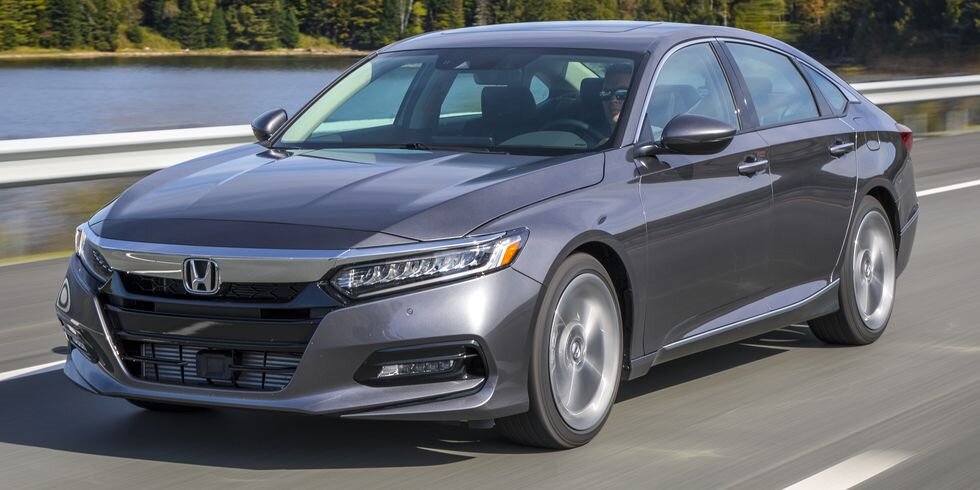
Honda Accord
Why should you buy this: It’s the quintessential midsize sedan.
Who’s it for: Anyone who needs a car.
Why we picked the Honda Accord:
Along with its rival, the Toyota Camry, the Honda Accord has long been the default choice for a vast swath of U.S. car buyers. The name Accord is so associated with quality and reliability that Honda could probably sell it even if the seats were covered in spikes. But the current-generation Accord earns its reputation.
The last redesign added some zest to the Accord, which is known for being both incredibly competent and somewhat dull. The current model borrows styling cues from the smaller Honda Civic, giving it a more stylish appearance that won’t offend buyers who just want to blend in with traffic. Honda also increased rear legroom and trunk space.
Drivers will find plenty to like, too. The Accord is one of the few midsize sedans still available with a manual transmission, and you can pair that six-speed stick with the 2.0-liter turbocharged engine from the Civic Type R (base models get a 1.5-liter turbo-four). You don’t get as much power (just 252 horsepower, down from 306 hp in the Type R), but the Accord can get out of its way, and take corners with admirable poise.
The Accord also represents a good tech value. Every Accord trim level includes the Honda Sensing suite of safety features, which bundles forward collision mitigation braking, road departure mitigation, adaptive cruise control, lane keep assist, and traffic sign recognition. A 7.0-inch touchscreen display is standard; an 8.0-inch unit with Apple CarPlay and Android Auto compatibility is optional.
The Honda has three powertrain choices—including a hybrid—blend efficiency and power. Graceful handling is an Accord hallmark and its athletic chassis, lightly weighted steering, and balanced ride come standard across the lineup. Also standard: a suite of driver-assistance features including automated emergency braking, lane-keeping assist, and adaptive cruise control. The 2020 Accord is not only the best-driving family sedan, but it’s also one of the best-equipped choices in its class, making it an easy recommendation for today’s car shoppers.
Tesla Model 3
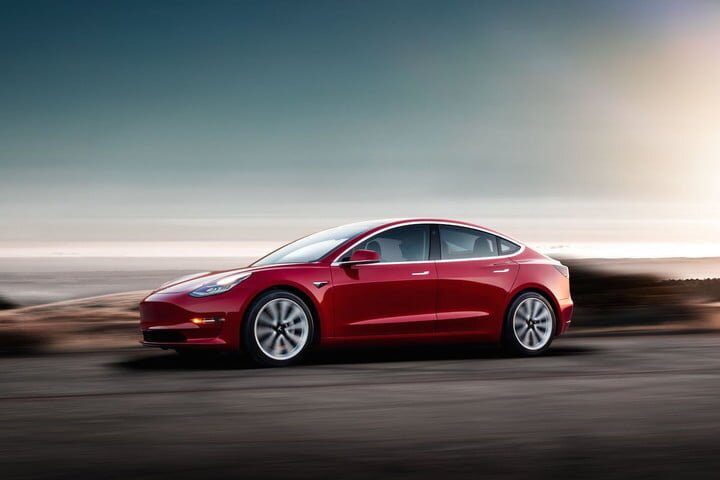
Why should you buy this: It’s the best electric sedan, and one of the best sedans out there
Who’s it for: Those who want to never stop at a gas station again.
Why we picked the Tesla Model 3:
Tesla enviably launched the Model 3 in a class of one, and it’s still the only electric model in its category. The head-start allowed Tesla to deliver a luxury sedan with a cutting-edge powertrain that offers up to 322 miles of driving range and a 3.2-second sprint from zero to 60 mph when properly configured. The entry-level, rear-wheel-drive model that corresponds to the car’s $40,000 price tag gets a 250-mile range and takes 5.3 seconds to reach 60.
The Model 3’s interior is an exercise in minimalist design. The giant, television-like screen mounted on the dashboard replaces nearly all of the stalks and buttons normally found in a car. It’s a layout that takes some getting used to, but thousands of Model 3 owners say they love it. The infotainment system is compatible with all of the cool tech features you expect to find in a Tesla, such as Netflix streaming and in-car gaming, but you’ll need to pay a monthly fee to unlock some of them. Autopilot is available.
Rivals are on their way, but until they land and prove what they’re made of the Model 3 reign supreme.
Elon Musk might say some crazy stuff, but he’s right about at least one thing: Tesla’s electric vehicles have changed the world. When the Model S launched in 2012, it was the first long-range, widely desired electric vehicle, and mainstream automakers have been struggling to catch up ever since. The 2020 Model S is still impressive—it now has an EPA-estimated 373 miles of range in its Long Range variant—but for all its focus on autonomous technology, over-the-air updates, and Easter eggs, Tesla’s interiors and build quality can sometimes fall short of expectations. Better-established luxury automakers are finally getting in on the EV game—Porsche’s Taycan is aimed directly at the Model S, for example—and Tesla will need all its Silicon Valley pivot-power to stay ahead of the pack.
Toyota Camry
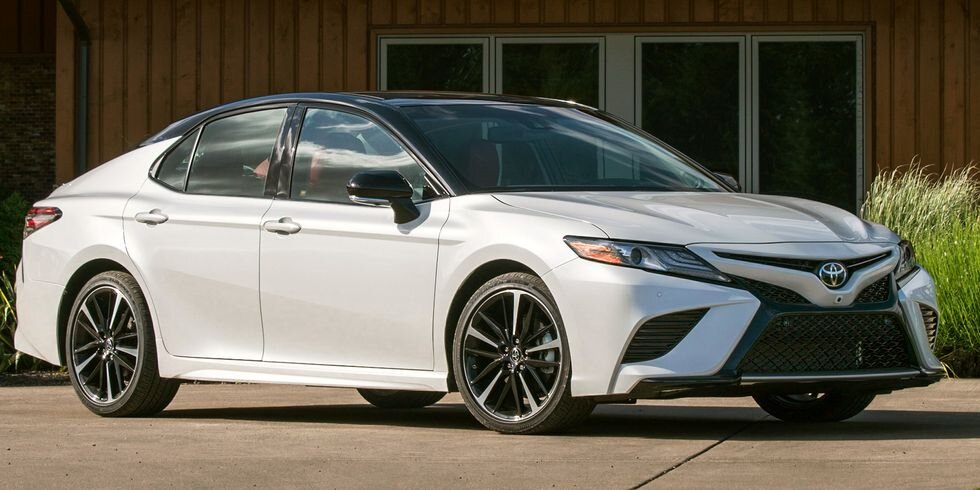
Why should you buy this: It offers Prius-like gas mileage in a sedan package
Who’s it for: Those who want a Toyota hybrid that’s not a Prius
Why we picked the Toyota Camry Hybrid:
The hybrid version of the Toyota Camry leverages technology sourced from the Prius to achieve 51 mpg in the city, 53 mpg on the highway, and 52 mpg in a combined cycle. These figures make it one of the most efficient sedans on the market. The Camry achieves them thanks to a 208-horsepower drivetrain made up of a 2.5-liter four-cylinder engine and an electric motor that draws power from a lithium-ion battery pack. It seats five and offers 15.1 cubic feet of trunk space, which is on par with the non-hybrid version.
Above all, it’s a Toyota, so it will be dependable for miles on end. Camry is hardly synonymous with fun; in the past, it’s been a byword for a boring commuter, but the current-generation model is more appealing than its predecessor’s thanks to a better-tuned chassis and a more evocative design.
In the past, we’ve criticized the Camry (and other Toyota models) for their near-complete lack of useful connectivity features. That’s no longer the case; even the base model comes with a 7.0-inch touchscreen compatible with Android Auto, Apple CarPlay, and Amazon Alexa. Upmarket trims get an 8.0-inch screen, and navigation is optional.
The 2020 Camry and its distinction for unsullied reliability allow it to be a strong contender in the fading family-sedan segment. Its three powertrain options cover a diversified range: there’s a fuel-efficient four-cylinder, a potent V-6, and an eco-friendly hybrid. Though the Toyota has a compliant ride and proficient handling, it trails in performance behind the sportier and turbocharged rivals such as the acclaimed Honda Accord or the elegant Mazda 6. There’s also plentiful standard driver-assistance technology, including forward-collision warning, adaptive cruise control, and lane-departure warning. The Camry may be plagued by small imperfections, but even so, it is the best-executed Camry that Toyota has ever produced.
Honda Civic
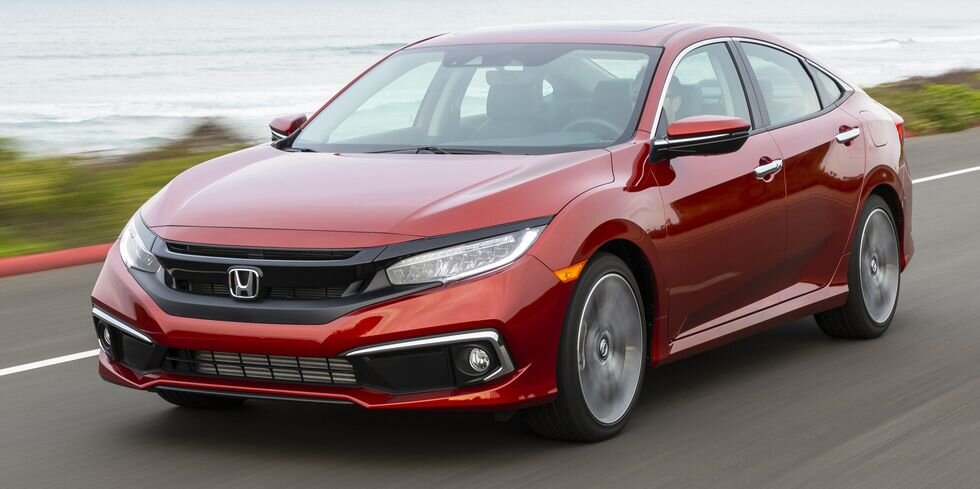
Why should you buy this: The Civic proves that value isn’t a dirty word.
Who’s it for Commuters who want the most car for their money.
Why we picked the Honda Civic:
Honda is back in a big way these days, but its best car might also be one of its cheapest. Honda’s all-new Civic isn’t just striking to behold, it’s also a return to fun-to-drive form for the Japanese automaker. With punchy turbocharged engines, nimble handling, and a smooth-shifting six-speed manual on offer, car shoppers looking for personality shouldn’t feel obligated to break their bank accounts.
The sedan, coupe, and hatchback all bring the drama with aggressive exterior styling that, for its intended audience, is best described as “Instagram worthy.” Honda desperately needed a revamp after years of plain-Jane Civics, and whether it’s the large air inlets on the front fascia, slender LED headlights, or wonderfully-contoured door panels, the 10th-generation Civic has the attitude its predecessors were missing.
Inside, the new Civic can be optioned with the latest and greatest in safety and infotainment features to turn a compact commuter into a true entry-level luxury car. Apple CarPlay, Android Auto, adaptive cruise control, lane-keeping assist, automatic braking assist, haptic feedback controls … the list goes on. To top it all off, whichever engine you choose returns the best fuel economy figures in the class. Sometimes you get what you pay for — but in this case, you get more.
Few cars manage to satisfy everyone, but the 2020 Civic proves one car can be affordable and functional as well as entertaining. In our opinion, the Honda achieves a near-perfect blend of comfort and driver engagement. Its steering responds immediately to driver inputs, its ride is smooth yet sporty, making it a blast to drive. The main drawback is its divisive exterior styling. Those who can appreciate or look past that aspect will enjoy its excellent fuel economy, copious interior cubby space, and numerous standard driver assists. It’s one of the best compact sedans you can buy.
Volvo S90
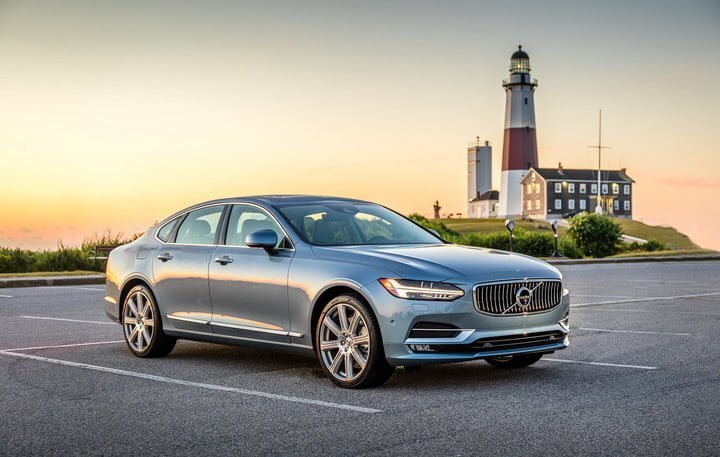
Why should you buy this: Nobody does luxury like the Swedes.
Who’s it for Drivers who want elegance, not pageantry.
Why we picked the Volvo S90:
Few sedans do luxury as well as the Volvo S90. The Swede doesn’t overwhelm its driver and passengers with an array of tech gadgets but instead tries to create a calming, upscale experience. The interior features some of the highest-quality materials you’ll find this side of a Rolls-Royce, including wood that is not only real but looks it. The portrait-oriented touchscreen is easy to use, and everything feels solid and well-thought-out.
The S90 driving experience is best described as serene. The S90 is not a sports sedan, but its smooth ride makes it one of the best traditional luxury sedans around. It’s also fairly efficient for a big four-door, thanks to an engine lineup that consists entirely of 2.0-liter, four-cylinder mills, as well as a plug-in hybrid option.
In the end, the S90 exemplifies the transformation Volvo has undergone in the last few years. It’s handsome, understated, refined, safe, and intuitive, and although it’s not the sportiest option on the road, it stands out in one of the most competitive segments in the industry.
Alfa Romeo Giulia Quadrifoglio
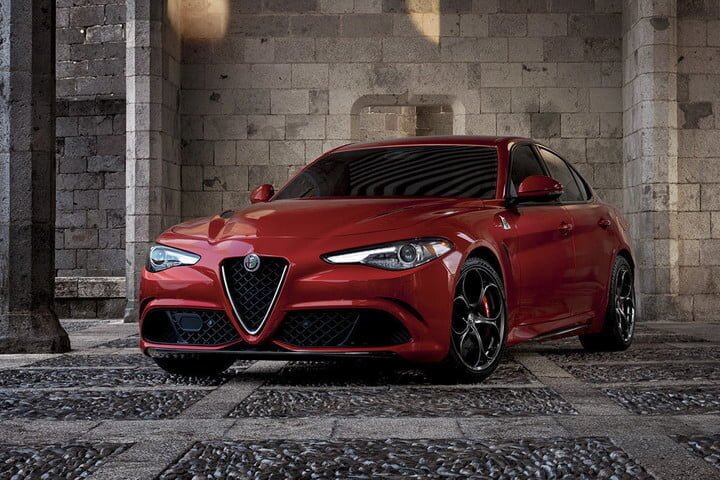
Why should you buy this: The Giulia Quadrifoglio will raise your pulse as no other four-door can.
Who’s it for People who crave drama, style, and power.
Why we picked the Alfa Romeo Giulia Quadrifoglio:
Alfa Romeo is essentially coming back from oblivion, and to do that, its first mainstream model in the U.S. in decades had to be epic. With the Giulia — particularly the high-performance Quadrifoglio model — Alfa has completely pulled it off.
Building a rear-wheel-drive sedan with an emphasis on sporty driving dynamics is a great way to start. Clothing it in gorgeous bodywork in the finest Italian tradition is an even greater idea. But Alfa went even further, bringing a nuclear weapon to a gunfight in the form of a 505-horsepower, 2.9-liter twin-turbocharged V6 developed with input from Ferrari. The Quadrifoglio’s engine completely outclasses its German and American rivals in terms of power, and the Ferrari connection adds even more coolness. The Giulia Quadrifoglio is a sedan that thinks it’s a sports car.
The 2020 Giulia Quadrifoglio takes the already delicious dish that is the Giulia sports sedan and adds a liberal helping of Italian seasoning to boost its profile and its performance. With a 505-hp twin-turbo V-6 under the hood, the Giulia Quadrifoglio has the muscle to keep pace with the Audi RS5 Sportback, the BMW M3, and the Mercedes-AMG C63. Handling is razor sharp, too, which makes the Quadrifoglio a joy to pilot on twisty roads and racetracks; these modern Alfas serve as our benchmark for steering feel. Unfortunately, this Italian stallion’s reputation for poor reliability came true during our 40,000-mile test of a 2018 model. Even so, it barely tempers our excitement for driving such a focused sports sedan.
Subaru Impreza
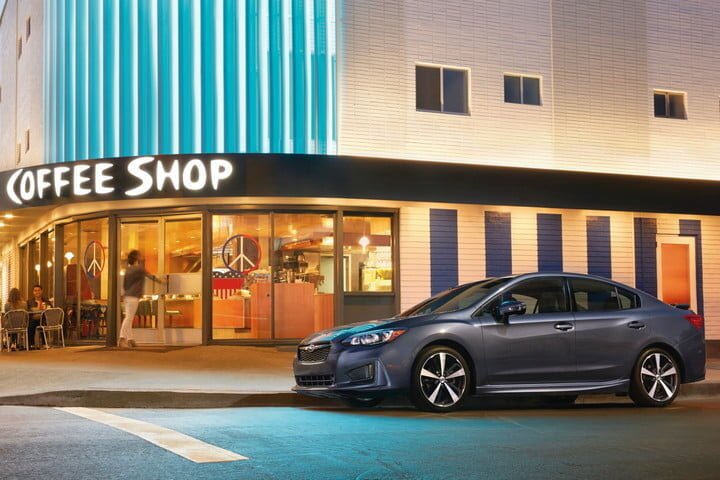
Why should you buy this: It’s a good sedan that will get you through the winter.
Who’s it for Rally fans on a budget.
Why we picked the Subaru Impreza:
Many buyers turn to crossovers because of their available all-wheel drive, but the Subaru Impreza has that covered. While all-wheel drive is a Subaru signature, there’s plenty about the Impreza to recommend besides its ability to handle snowy roads.
Other compact cars (like the Honda Civic) offer sharper handling, but the Impreza is no slouch in the bends. Thanks to its new Subaru Global Platform underpinnings, it compares well with the competition on refinement. The only available engine is a 2.0-liter flat-four, which produces 152 hp and 148 lb-ft of torque. Base models get a five-speed manual transmission, while other trim levels get a continuously variable transmission (CVT) in the name of fuel efficiency.
The standard 6.5-inch touchscreen is placed within easy reach from the driver’s seat, and Subaru offers Apple CarPlay and Android Auto compatibility standard. The Impreza is also available with Subaru’s EyeSight bundle of driver aids, including adaptive cruise control, autonomous emergency braking, and lane departure warning. Combine that with a reputation for bulletproof reliability and the Impreza adds up to a great sedan, even if you don’t need all-wheel drive.
New Cars Vs. Used Cars

One of the first questions that car buyers face is whether to purchase a new car or one that’s used. Pre-owned vehicles tend to come with much lower price tags, but there’s more to consider when choosing them. You should also consider the benefits and downsides of certified used cars (CPO cars) and leasing a vehicle.
Advantages of Buying New Cars
Buying a new car has a lot of benefits – some more tangible than others. Here are a few:
There’s No History
When you purchase or lease a new car, you don’t have to worry about its past. You don’t have to fret about whether any previous owners mistreated the vehicle, had accidents, or failed to do periodic maintenance, such as regular oil changes. A new car should have very few miles on the odometer, having come straight to the dealership from the factory.
You also don’t have to worry about any wear and tear, like you would in an old car. The brakes and tires will be factory-fresh, and the interior immaculate.
It’s Easier to Buy a New Car
Because you won’t have to spend time researching a car’s history and getting pre-purchase inspections, it’s easier to buy a new car than to buy a used car. You also don’t have the expense of a Carfax or AutoCheck report, plus the cost of an independent mechanic’s time.
You’ll never have to wait for a title to come from a used car owner’s lender, and most dealerships will complete all of the paperwork for you.
It’s also easier to get the specific car you want. If the dealership doesn’t have a vehicle on the lot in the color or trim level you are looking for, they can order it from the factory or swap with another dealer.
You Can Get New Car Deals
Automakers frequently offer special incentives to help sell slow-moving models or vehicles soon to be replaced with updated versions. Cash back deals and special low- or no-interest financing deals can save you thousands of dollars. You can see the best incentives available on our new car deals page.
Cash back deals lower the price of the car, while financing incentives reduce or eliminate the amount you have to pay in interest over the life of your auto loan. Note that the best new car deals are reserved for customers with top-notch credit scores, so you may not qualify if your credit reports have a few dings.
New Cars Are Cheaper to Finance
Lenders look closely at risk when they decide whether to loan you money and how much interest to charge. With new cars, the value of their collateral (your car) is known. History also shows that new car buyers are more likely to pay back their auto loans. With used cars, there’s more uncertainty about the collateral value, and there is a higher risk of the financing not being repaid in full.
You do have to be a little careful, however, because a new car purchase might get you a higher interest rate if it is so expensive that your loan-to-value ratio exceeds your lender’s threshold for the best financing rate.
You Can Get the Latest Technology
When you purchase or lease a new car, you can get the freshest technology in the marketplace. With today’s rapid evolution in safety, infotainment, and connectivity, even a two- or three-year-old car can be outdated. We list some of the more important new technology features below:
Safety Technology
In just the last few years, the safety technology available on cars has improved by leaps and bounds. Technology such as automatic emergency braking, adaptive cruise control, and lane-keeping assist come as standard equipment on many new vehicles, and as low-cost options on others.
Safety testing is also evolving, with the Insurance Institute for Highway Safety (IIHS) frequently making their testing more rigorous. That forces automakers to focus on continually improving safety features and vehicle design to protect occupants.
Infotainment and Connectivity
In the era of the smartphone, consumers are demanding that their vehicles keep pace with evolving infotainment and connectivity. That means, for example, that a built-in navigation system is no longer good enough – it has to be connected to outside services so you can see real-time traffic and road conditions through apps such as Google Maps and Waze. If a car built today does not support Apple CarPlay or Android Auto, it is behind the times.
A car built a few years ago might have a 5-inch infotainment display, but many of today’s cars come with screens that are 8 inches or larger. Interfaces are improving, too, enabling modern touch screens to respond like smartphone displays.
New Cars Are More Fuel-Efficient
Automakers are striving to improve the efficiency of every vehicle in their lineups, from subcompacts to full-size pickup trucks. A compact sport utility today will likely meet or exceed the efficiency of a 10-year-old midsize sedan. You’ll find fewer V8 and V6 engines in today’s cars, as they’re quickly being replaced by high-tech turbocharged four- and six-cylinder motors. Automakers are employing advanced automatic transmissions to glean every bit of energy out of each gallon of gasoline. Lightweight, yet strong, materials allow cars to burn less fuel as they roll down the highway, without compromising safety.
You Get Full Warranty Coverage
An important benefit of buying a new car is warranty protection. Most cars come with bumper-to-bumper coverage that covers everything but the powertrain for at least three years or 36,000 miles. Powertrain warranties often eclipse the basic warranty, with coverage that can extend out as long as 10 years or 100,000 miles. A new car warranty is included in the car’s price, so you don’t have to pay extra to get the coverage. You can see our list of the best new car warranties here.
That New Car Smell
For some, getting that new car smell might sound like a ridiculous reason to spend extra money. For others, however, the new car smell symbolizes that you’re the first owner of the car – no one else has been behind the wheel of your new ride. Your friends get in the car and immediately know that you didn’t go the cheap route and buy used.
Disadvantages of Buying New Cars
Buying a new car isn’t a perfect option. There are several reasons purchasing a new car might not be the best choice.
They’re Expensive
Buying a new car is the most expensive way to get behind the wheel. The average new car costs more than $37,000, according to Kelley Blue Book, while the average used car price is around $20,000. Both are on the rise, and the price increases are forecast to continue.
Adding the cost of financing the higher vehicle price, and the greater auto insurance costs for the higher-value vehicles, makes the difference even more pronounced.
On top of that, once they leave warranty coverage, the advanced technology in today’s cars makes them more expensive to repair.
You Have to Buy Them From a Dealer
New cars are sold exclusively through franchised new car dealers, unlike used vehicles, which can be purchased from a variety of sources, including car dealers, used car superstores, and private parties. If you’re in an area that has few dealers from a specific brand, your ability to negotiate a great price on a new car is limited. When you buy from a dealer, a portion of the price you pay will go toward the considerable overhead that keeps a modern dealership open. Of course, there are benefits from buying at a dealer, but they do come with a cost.
You Have to Pay Lots of Sales Tax
When you buy a new car, you’re taxed on the entire price you pay, in most states. Buy a used car, and you won’t pay nearly the same amount in taxes, due to the lower transaction price.
When you purchase a used car from a private seller, you’ll typically have to pay the sales tax when you title or register the vehicle with your local DMV, so you’re not off the hook for paying taxes. The amount you pay on a new car lease varies by jurisdiction, so it’s a good idea to check with a tax professional before you lease.
They’re More Expensive to Insure
As we touched on a moment ago, new cars are typically more expensive to insure than used cars, especially if you need to have more types of coverage. For example, you might forgo comprehensive or collision coverage on a low-value used car, but most lenders won’t allow you to do so on a new car that you are financing.
Some lenders and most leasing companies will also require that you carry gap insurance to cover the difference between what you owe on the loan or lease and the vehicle’s value. You can learn more about gap coverage in our article on gap insurance.
Our auto insurance hub can help you find the coverages you need, car insurance discounts you may qualify for, and how to compare insurance companies.
That New Car Smell
What the new car smell actually contains are volatile organic compounds off-gassing from new plastic and vinyl interior surfaces. That’s why it’s a good idea to open the windows and hope the vaunted new car smell goes away as fast as possible.
Advantages of Buying Used Cars
Many car buyers wouldn’t get near a new car due to their high prices, but there are even more benefits to buying a used car than a lower price.
They’re Less Expensive – In Many Ways
We’ve already touched on it in previous sections, but to reiterate, purchasing a used car will save you money when you buy, when you buy auto insurance, and when that tax collector comes calling. Though the interest rate on any financing you take out will frequently be higher, the total amount of interest you’ll pay over the course of the loan will likely be lower, since the price of the vehicle is lower.
A used car can be easier to fit into a monthly budget. With lower used vehicle costs, you’ll get lower monthly payments, and you can avoid the need to take out a loan that lasts six years or more, which is a common – yet horrible – way to buy a car.
You Don’t Take a Huge Depreciation Hit
The moment you drive a new car off a dealer’s lot, its value begins to drop. It’s called depreciation. Much of a vehicle’s value is lost during the first few years of ownership, with less depreciation occurring later in the car’s life. By purchasing used instead of new, you let the first owner absorb the massive depreciation hit, giving you a much lower-priced car that will depreciate more slowly as it ages.
Depreciation is one of the largest costs of car ownership, though you won’t feel it until you go to sell the car and learn the vehicle’s value.
Your Financing Is Less Likely to be Underwater
When you owe more on your car loan than the vehicle is worth, it is called being underwater on your loan. It’s sometimes referred to as being upside-down or having negative equity. Whatever you call it, being underwater on a loan can be devastating if the car is stolen or declared a total loss after an accident. You could be required to continue paying money on a car you don’t have anymore.
Because you are likely to have a smaller loan and have a car that is depreciating more slowly than a new car, you’re much less likely to go underwater on your financing.
To learn more about how to avoid underwater car loans, take a look at our article on how to get out of an upside-down car loan.
You Can Buy a Better Car
Because used vehicles are so much less expensive than new cars, you can buy a nicer car than you might have otherwise been able to afford. That might mean a Mercedes-Benz instead of a Buick, or a roomy Honda Accord instead of a compact Honda Civic.
The price of a used car is largely dependent on its mileage and condition. If you’re willing to buy a car with higher miles, or one that’s not quite in perfect condition, you can get more car for your money.
It’s Easier Than Ever to Explore a Car’s History
Not knowing the history of a used vehicle is one of the scariest aspects of buying a used car. Today, however, it’s easy to learn about a car’s past by getting a vehicle history report from a company such as Carfax.com or Autocheck.com. A vehicle history report can show you a car’s title history, its record of maintenance, how many owners it has had, and information about collision and repairs.
A vehicle history report doesn’t replace a pre-purchase inspection from an independent mechanic, but it can eliminate cars from contention before you waste time and money.
You’ll Know What Problems to Avoid
Once a car has been on the road a few years, it will develop a reliability record. Our used car rankings and reviews include information about the total cost of ownership, so you can avoid models that are expensive in the long run and find those that aren’t costly to own.
Potential buyers can also explore owners’ forums online to see the issues current owners are facing. While all vehicles have some unhappy buyers, owners’ forums can show trends, such as early transmission failures, the cost of major repairs, or trouble using certain features.
Disadvantages of Buying Used CarsDepreciation is one of the largest costs of car ownership, though you won’t feel it until you go to sell the car and learn the vehicle’s value.
Your Financing Is Less Likely to be Underwater
When you owe more on your car loan than the vehicle is worth, it is called being underwater on your loan. It’s sometimes referred to as being upside-down or having negative equity. Whatever you call it, being underwater on a loan can be devastating if the car is stolen or declared a total loss after an accident. You could be required to continue paying money on a car you don’t have anymore.
Because you are likely to have a smaller loan and have a car that is depreciating more slowly than a new car, you’re much less likely to go underwater on your financing.
To learn more about how to avoid underwater car loans, take a look at our article on how to get out of an upside-down car loan.
You Can Buy a Better Car
Because used vehicles are so much less expensive than new cars, you can buy a nicer car than you might have otherwise been able to afford. That might mean a Mercedes-Benz instead of a Buick, or a roomy Honda Accord instead of a compact Honda Civic.
The price of a used car is largely dependent on its mileage and condition. If you’re willing to buy a car with higher miles, or one that’s not quite in perfect condition, you can get more car for your money.
It’s Easier Than Ever to Explore a Car’s History
Not knowing the history of a used vehicle is one of the scariest aspects of buying a used car. Today, however, it’s easy to learn about a car’s past by getting a vehicle history report from a company such as Carfax.com or Autocheck.com. A vehicle history report can show you a car’s title history, its record of maintenance, how many owners it has had, and information about collision and repairs.
A vehicle history report doesn’t replace a pre-purchase inspection from an independent mechanic, but it can eliminate cars from contention before you waste time and money.
You’ll Know What Problems to Avoid
Once a car has been on the road a few years, it will develop a reliability record. Our used car rankings and reviews include information about the total cost of ownership, so you can avoid models that are expensive in the long run and find those that aren’t costly to own.
Potential buyers can also explore owners’ forums online to see the issues current owners are facing. While all vehicles have some unhappy buyers, owners’ forums can show trends, such as early transmission failures, the cost of major repairs, or trouble using certain features.
Disadvantages of Buying Used Cars
While buying used instead of new has a lot going for it, getting a pre-owned car isn’t for everyone. There are many downsides to buying used vehicles.
You’re Buying Someone Else’s Discard
Ask people who always buy new cars why they do so, and many will say that they don’t want to buy someone else’s discarded vehicle – and buy all of the problems the former owner didn’t want to deal with. By thoroughly studying the vehicle history report and getting a pre-purchase inspection, the risk of buying a lemon can be reduced, but it will never be entirely eliminated.
You Never Truly Know Its History
Vehicle history reports have become pretty thorough, but they’re not perfect. Things that happened recently may not be reflected in the reports. Unless an accident occurred, you’ll never know how hard or easy the vehicle was driven.
Most Used Cars Are Sold As-Is
The moment you drive a used car off a dealer’s lot or away from a private-party sale, all of its problems belong to you. With notable exceptions – like certified pre-owned vehicles – you can’t return a used car, even if it falls apart on the second day you have it. The technical term is “as-is,” and it releases the seller from nearly any claim you can make against them for the vehicle’s failings.
There’s Usually No Warranty Coverage
New cars are covered by warranties from their automakers. With the exception of certified pre-owned vehicles, the only warranty you’ll have with a used car is one you have purchased. Without a warranty, you’ll have to pay out-of-pocket for any repairs. Major components of modern cars can cost thousands to repair or replace.
If you’re purchasing either a new or used car at a dealership, they’ll almost always offer you an extended warranty. Before you buy at the dealer, check with your lender and auto insurance company to see if you can get a better price or enhanced coverage.
You Can’t Be As Picky
Unless you’re willing to wait a long time or pay extra, it’s unlikely you’ll be able to find the precise vehicle you want when you’re purchasing a used car. You’ll generally have to compromise a bit on the trim level, color, mileage, or condition you’re willing to accept.
Your Financing Will Likely Be More Expensive
Used cars generally require higher-priced financing, which offsets their lower price. Increased risk, in both the value of the vehicle being financed and the credit risk of the customer, leads lenders to charge higher interest rates on used cars than they do on new vehicles. The higher the interest rate you have to pay, the higher your monthly payments will likely be.
Few Used Car Deals Are Available
It’s easy to find deals from carmakers on new vehicles, but the only used car deals you’ll find are for certified used cars. Even on them, you’ll only find low-interest rate offers, not cashback deals. You can see the best-used car offers on our used car deals page.
Other Options to Consider
Buying a new or used car isn’t your only option. Here are a couple more ideas that can save you a considerable amount of money compared with buying new:
Certified Pre-Owned Cars
We’ve already talked about them a lot in this article, and for good reason. Certified used vehicles blend many of the advantages of both new and used cars.
A certified pre-owned (CPO) car is a gently used vehicle that’s usually just a few years old, with low miles, and no history of major accidents. They’re closely inspected by the dealer, following the carmaker’s checklist, and are offered with factory warranties and other benefits, such as roadside assistance. Many CPO cars are lease returns or vehicles driven by employees of the dealership or manufacturer.
Factory CPO vehicles are only sold at their brand’s franchised new car dealerships. If you see a “certified” Honda at a Toyota dealership, for example, it is not Honda factory certified and will not come with the Honda warranty extensions you would receive from a true factory CPO car.
Another benefit of buying a certified used vehicle: Automakers offer special low-interest financing deals on CPO cars. You can find many of those deals on our used car deals page.
Just keep in mind that, while CPO cars have lower prices than new vehicles, they have higher prices than non-certified used vehicles.
Leasing
Leasing is a popular way to get behind the wheel of a new car, with payments well below what you would have to pay if you were buying the car outright. When you lease a car, you just have to pay for the amount of depreciation that is expected to occur during the lease term, plus interest and fees. There is often an amount of money due at signing, then equal monthly payments until the lease ends.
You don’t actually own the car – the leasing company does – and you return it to the dealer when your contract is up. There are strict mileage limits spelled out in a lease contract, as well as rules about damage, use, maintenance, and wear and tear.
While leasing is simple in concept, it comes with a language that’s different than car buying and can be confusing to consumers who have never been through the process. Our guide to leasing a car walks you through the steps to lease a vehicle, while our story on leasing versus buying shows you the benefits and pitfalls of each approach.
Leasing a Used Car
One of the least expensive paths to getting into a vehicle is by leasing a used car. Though not common outside of luxury car dealerships, leasing a late-model used vehicle gets you many of the pluses of both buying and leasing, with a price tag that’s potentially much lower than either of the other options.
Your Guide to BMW Cars
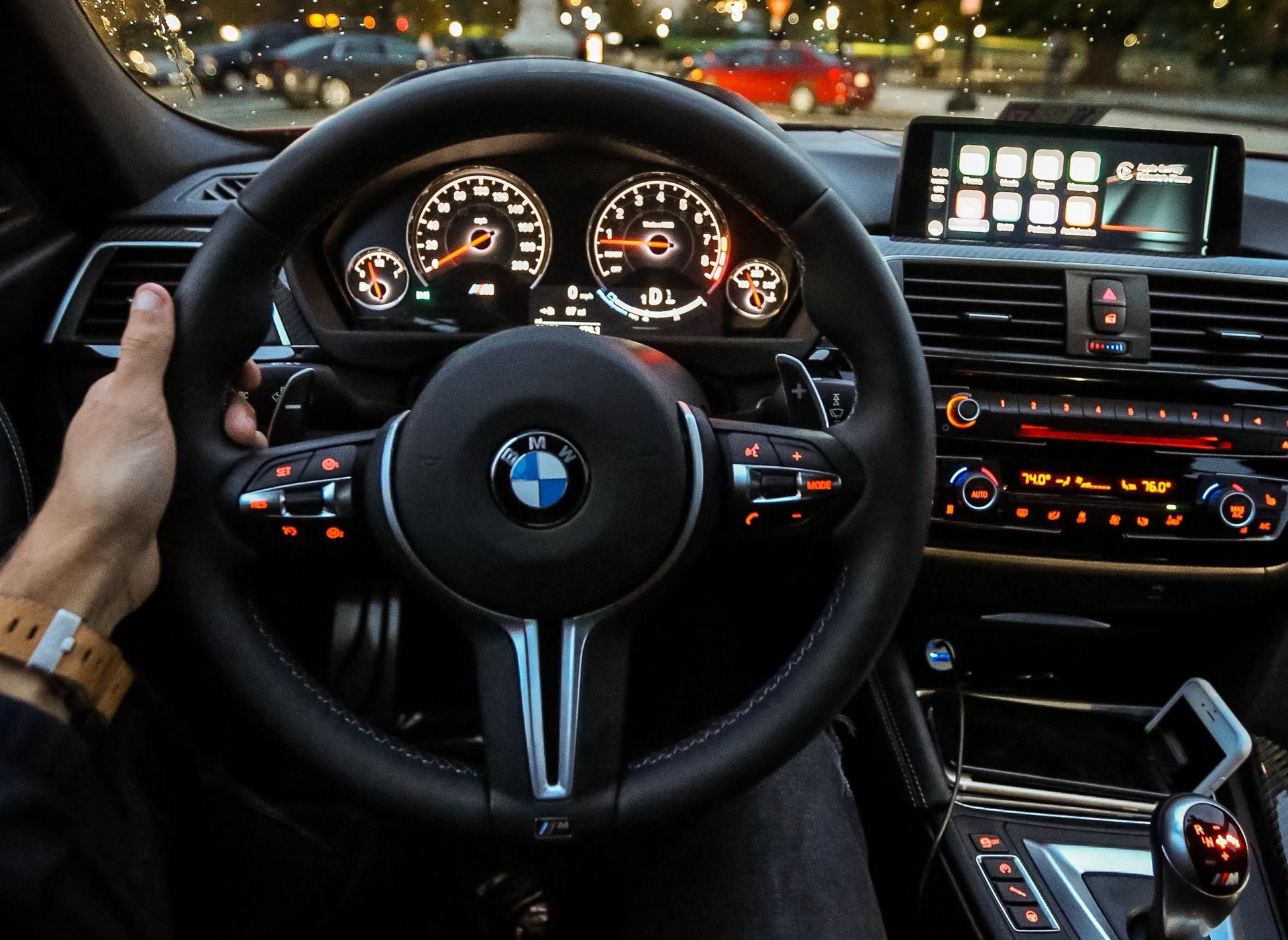
Bavarian Motoren Werke. Known more commonly worldwide as BMW, the company stands today as a global superpower in the automotive industry. The BMW blue and white logo is the ultimate status symbol, describing an owner of a certain wealth and sensibility in their choice of vehicle.
This is a brand that’s been making waves in the automotive sector for some time now, and it’s hardly surprising why so many people choose to get behind the wheel of these cars. If you are considering a BMW, then it’s handy to know a little info about the brand, the range and the mechanics of these vehicles. Have a read and see whether you and a BMW really are a match made in heaven.
An introduction to BMW
The BMW range has enjoyed a well-earned status as the premier vehicle line for business executives, with many a bustling car park bristling with all-time classics such as the M3 and M5 series. BMW provides an immaculate blend of performance, convenience, and refined technology to its patrons. It’s easy to see why so many career-minded individuals tend towards the German manufacturer for their high-end daily drivers.
BMW stands confidently among the ‘big three’ alongside Lexus and Mercedes-Benz; luxury vehicle brands that enjoy enviable financial success and exclusivity year-on-year. Even more impressively, the company continues to consistently lead this most desirable of markets. Brand loyalty amongst BMW owners is more than a preference; the blue and white logo is synonymous with achievement and success in life.
Which is the best BMW?
Now that’s a tough question. It really depends on your specific needs. With an extensive range of sports and family-focused vehicles to choose from, selecting a single ‘best BMW’ is a difficult call indeed. Although BMW is proud to demonstrate vehicles that are considered classics within more specific niches such as racing, there are names and designs that are ingrained into the minds of adults worldwide.
King among these is the BMW E46 M3. Perhaps the most renowned and respected BMW on the road to this day. The M3 perfectly captures the luxury of BMW and continues to dominate the sports sedan market.
Of the M3 variations available, the E46 is considered the best around. The vehicle’s presentation is as BMW as it gets; aggressive performance and power barely contained within smoothly flowing lines. This evocative shape is a perfect example of the visual appeal of all BMW vehicles.
Beyond the eyes lies a marvel of balanced design and innovation. Simply put, the E46 M3 handles like no other. 333 horsepower is produced by a 3.2-liter engine considered by experts and enthusiasts to be one of the finest ever produced in automotive history. Able to glide through turns and bends at lower speeds, the meaty kick of its power range nevertheless shows itself above 5,000 RPM.
Price is the proverbial icing on the cake. While the M3 remains a luxury vehicle, it is among the more affordable of the BMW range. The number of M3s on the road worldwide is staggering, leading to a healthy second-hand market where a buyer can easily find a well-maintained E46 M3 for as little as £10,000.
A quintessential masterpiece of automotive design.
A Brief History of BMW
As is the case with many automotive manufacturers, BMW can trace its history back to a combination of separate companies in the early 1900s. The first company that would in time form a part of BMW was Rapp Motorenwerke, a leading aircraft manufacturer at the time. The other two companies existed at the time as Bayerische Flugzeugwerke and Automobilwerk Eisenach.
BMW’s true origin followed, with the name being taken following a transfer of leadership in April 1917. After the First World War came to a close, the subsequent Versailles Armistice Treaty forbade the production of any further aircraft components. This forced the company to abandon its initial success in the trade with its production of the BMW IIIa aircraft engine.
A change of focus was vital. BMW began to produce farming equipment in addition to railway components and household items. It wasn’t until 1928 that the company released its first car, the Dixi 3/15. The following production vehicle, the BMW 3/20, was the first car entirely produced by the rapidly growing manufacturer.
Time passed. Amidst the turbulence of the Second World War, BMW returned to the production of aircraft and jet engines in addition to its automotive works. The aftermath of the war again forbade manufacturing by BMW, this time also for cars. It was not until 1952 that production began anew with the launch of the BMW 501 sedan.
Despite near bankruptcy through the 1960s due to small profit margins, the company survived and flourished. 1968 was a landmark year for BMW, with the release of their very first 3, 5 and 7 series vehicles to the public. 1978 saw the release of the first M series vehicle, the classic M1.
The rest, as they say, is history.
What does it feel like to drive a BMW?
BMW’s are powerful cars made with high-quality parts. Sure, when these parts need replacing, they aren’t exactly cheap – but if you love driving then it’s worth the extra expenditure. You get to drive a superior car with a strong reputation for delivering outstanding driving performance.
Who is BMW’s best for?
All sorts of customers are attracted to the charm of BMW. They’ve got a wide range designed to suit the needs of a variety of drivers. Petrolheads who want a powerful sports car, parents after practicality and safety, and businessmen who want a stylish, reliable work car to take them from A to B. It’s fair to say that some BMW drivers don’t have the best reputation, but this is clearly a bit of an unfair stereotype. They can be seen as a sign of wealth and success, but many people simply opt for a BMW because of the solid design, pleasing aesthetics and purely because these cars truly are enjoyable to drive.
Why buy a BMW?
BMW has dominated the luxury vehicle market for its consistent innovation and quality. While some brands survive in any market by simply positioning themselves as a luxury item, the level of design mastery demonstrated in iconic cars like the M3 and M5 offers more than just a status symbol.
It’s a rare occurrence that these elements come together so seamlessly. Why should you buy a BMW? It’s simple; they boast the finest examples of high-end vehicles available in the entire world. Respected by experts and adored by owners, a BMW is more than just a vehicle. It’s a statement of desiring nothing less than the best and demanding substance in all your own.
Practically speaking, the BMW range offers a marriage of high performance, excellent safety, and enviable reliability. A luxury car for daily use in the truest sense.
BMW Model Overview and Prices
The full BMW range boasts no less than 46 vehicles, with a total of 412 variants therein. These models span the expected range of size, cost, and focus.
How much does a BMW cost? With the entry-level BMW 1 Series sports hatch currently available at an on-the-road price of £21,840, the lower end of the luxury BMW brand is pleasantly accessible.
Moving beyond the respected 1 Series, the manufacturer offers a significant variety in coupe and convertibles, with the 2 Series a popular choice in the mid-twenties price band. Touring options and vehicles more suitably sized for the family can be found in this section of the range also.
At a current price of £26,790, the venerable 3 Series can be found. With the Saloon model the cheapest, more throaty and larger sized touring and Gran Turismo models round out the section at a price point closer to thirty thousand.
The range then steps into the most powerful and high-end BMWs available. The 4 and 5 Series stretch from the low thirties to close to forty thousand Pounds, with notable variants such as the 5 Series iPerformance Saloon found here. The larger X5 and X6 models range from fifty thousand to sixty thousand and beyond.
The electric hybrid pinnacle of BMW innovation, the stunning BMW i8, stands alone at the peak of price in BMW’s range at an exclusive £106,310.
The Most Popular BMW Models
Which BMWs own the roads in number? We know by now that there is a significant range available, but what favorites can be seen each day you drive?
The BMW M3 Series is popular for a reason, as we delighted in describing above. Considered by many to simply be the best executive car you can buy, the surprisingly competitive price point for a luxury vehicle combines with a level of performance unmatched by any other manufacturer.
It takes a lot of expertise, effort, and consistent skill to produce a car that drives effortlessly and powerfully. That’s exactly what the M3 series does – and is exactly why it’s the most popular BMW around.
Drivers worldwide also bet on big with the imposing BMW X5. Second on the list for a reason, this SUV is a popular choice for families thanks to its peerless safety standard and interior space. You’re sure to find as many X5’s deep in the countryside as you are in the city; a testament to their robust high-performance in any terrain.
A truly muscle-bound executive driver is next on the list – none other than the BMW 5 Series. Where the 3 Series offers an intuitive marriage of power, overall performance and handling, the 5 Series adds even more engine. Commonly seen as the driving enthusiast’s luxury car of choice, modern 5 Series variants now include stunning modern hybrids.
That consistent quality beyond simple power has secured the 5 Series’ place in the BMW hall of fame. Driving position and comfort are immaculate and a superb maintenance pedigree makes the vehicle surprisingly cheap to maintain and service.
BMW Manufacturer Reputation
How to describe a brand where all its components are near-perfect? Could it really be true? There’s no denying BMW has a well earned, positive reputation throughout the industry, but why is it such a great brand?
BMW epitomizes the concept of luxury in a truly comprehensive manner. It doesn’t simply rely on marketing to position itself as a high-end manufacturer. It has instead consistently demonstrated its deep understanding of engine and vehicle design, boasting several ranges in its history that are deemed timeless masterpieces of automotive engineering.
BMW, then, defines what luxury should mean; excellence in every conceivable aspect. With design teams continuing to innovate on new ranges and variants, Bavarian Motoren Werke has truly earned its reputation as the most well-rounded manufacturer of high-end vehicles in the world today. The hardest part is, which model and spec will you pick?
Should you buy a BMW?
Well, hopefully, the above information has given you enough of an insight into BMW as a brand. If you like the sound of BMW cars, then the next step is to consider which vehicle might be best suited to your lifestyle. It’s always a good idea to book a test drive – so pick out a few models we’ve mentioned above and get behind the wheel. See for yourself why so many people love driving BMWs.
10 Things to Consider When Buying a Pickup Truck
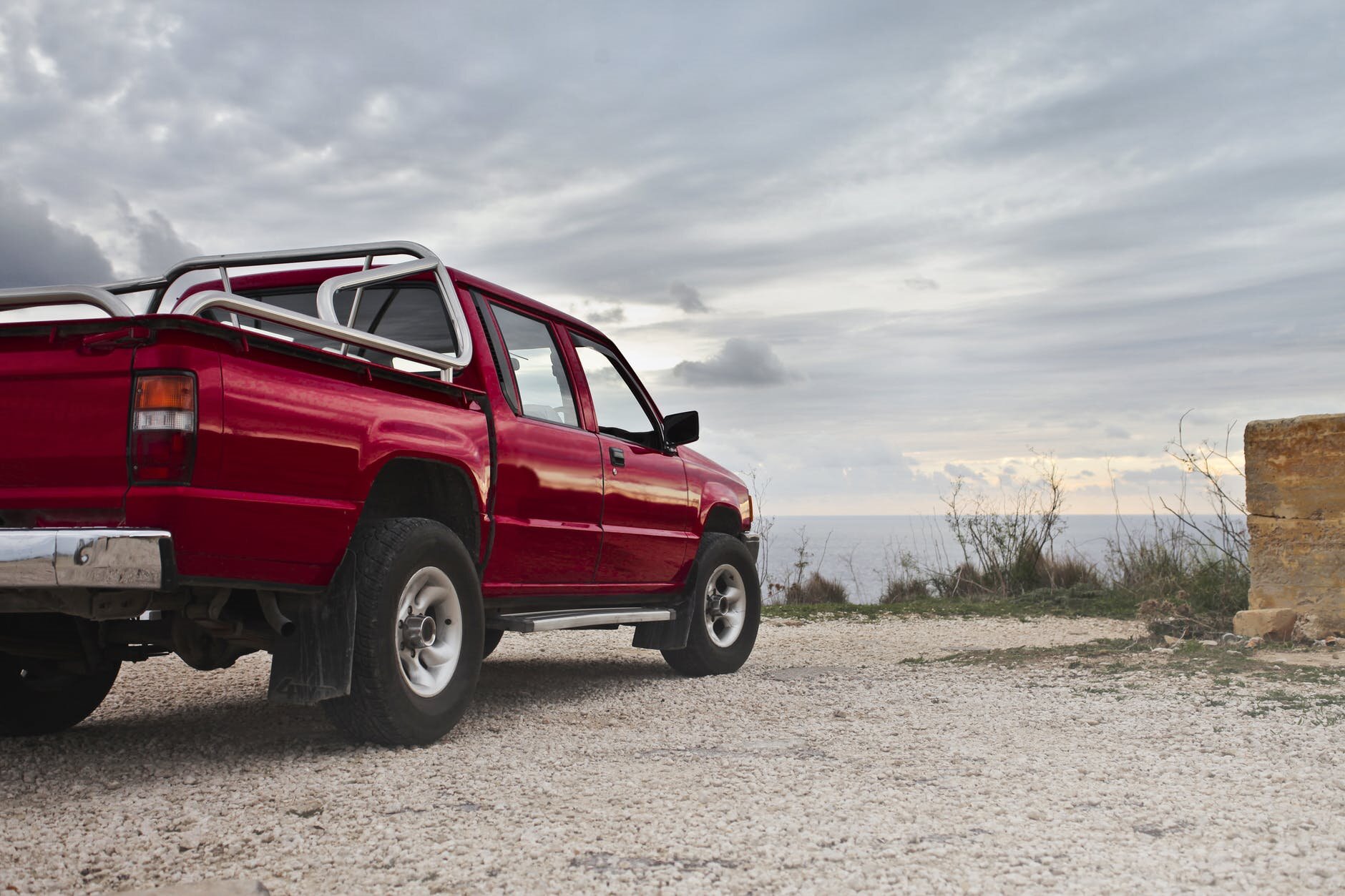
You’re looking into purchasing a new truck, but before you do so, you should consider several things. You want a truck that will deliver exceptional performance and provide everything you need. Here are 10 things you should consider when buying a pickup truck.
1. Usage
What will you use your truck for? This question is the first one you need to answer before purchasing any truck. If you plan on towing large boats or other vehicles, you should consider a larger truck. However, if your payloads are rather minimal, a small truck may be the best decision.
2. Towing Capacity
Many people buy a truck so they can tow campers, trailers, and other vehicles. Every truck isn’t made the same. Some trucks can pull thousands more pounds than others. For example, the Ford F-150 can tow up to 10,000 lbs while a Toyota Tacoma can only pull up to 3,500 lbs.
3. Power and Engine Size
Engine size and power is just as important as towing capacity. A smaller, 4-cylinder engine may not provide you with the power you desire from your truck, but it will save money on gas. For smaller payloads, 4-cylinders are perfect, but if you plan on towing large boats, consider purchasing a V6 or even a V8.
4. Gas Mileage
Trucks are notorious for getting terrible gas mileage, so you need to factor in that many trucks will get less than 20 mpg for both highway and city. But there are some, such as the 2016 GMC Canyon, that can get up to 22 mpg in the city and 31 mpg on the freeway. Different models can have vastly different fuel economies.
5. Passenger Capacity
Trucks aren’t great for passengers. Larger models will have enough room for passengers, but passenger space sacrifices truck bed space. Expect that most trucks will be two-person vehicles. If you need enough space for multiple passengers, consider purchasing a larger cab model.
6. Bed Size
If you frequently move lumber or long materials, you want to have a bed that will accommodate your needs. Smaller trucks will require you to leave the tailgate down, which is illegal in some states. Be sure that the truck bed will fit your needs.
7. Two-Wheel Drive vs. Four-Wheel Drive
A 4×4 costs more than a traditional two-wheel drive truck. However, if you’ll frequently be driving in bad weather, you may consider purchasing a 4×4. Your driving habits and the climate where you’ll drive impact which you should purchase, but know that opting for a 4×4 will negatively affect your gas mileage.
8. Manual or Automatic
When it comes to a transmission, choosing between a manual and automatic can be difficult. If you spend a lot of time in traffic, an automatic transmission will save you unnecessary shifting while driving around the city. Trucks with manual transmissions generally cost less.
9. Camper Shell
If you’re buying a truck to transport objects in the bed, you may consider purchasing a camper shell. This shell will protect the bed contents from theft or rain. While a shell can set you back a good amount of money, it can save you more in the long run.
10. Included Features
If you are a contractor, you want an accurate and up-to-date navigation system. If you spend a lot of time in your car during the winter, you may want heated seats in your truck. Before purchasing a truck, make sure the included features are perfect for you.
Why should I buy a convertible?
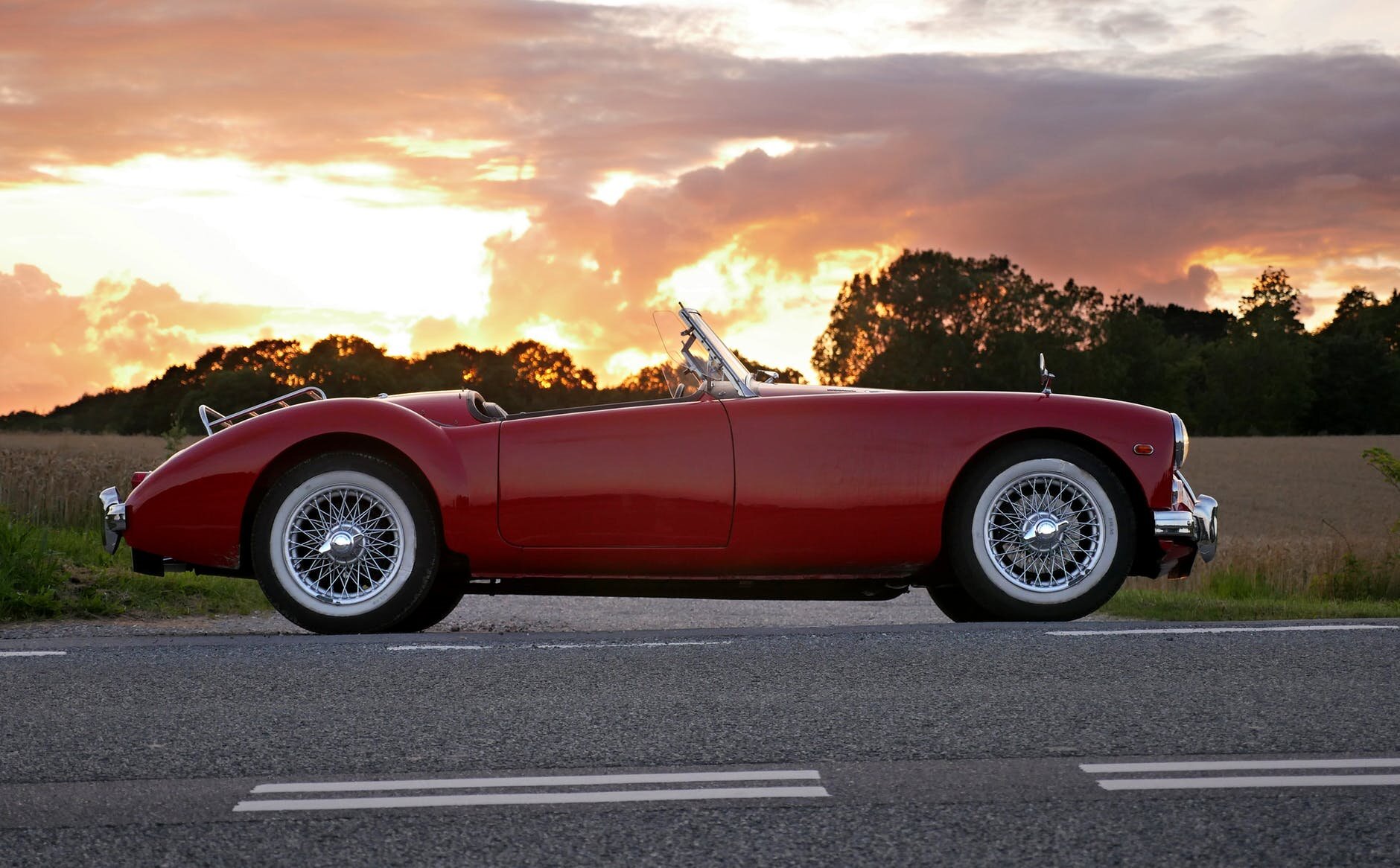
From the way a young child stares in open-jaw awe at the roof folding itself down, to the unmatchable thrill of driving with the sun warming your skin and the wind wafting your hair, there’s something quite magical about convertibles.
You could argue that it’s because everything is better when enjoyed outdoors; picnic food tastes better, beer garden drinks are somehow sweeter and even a jog is less awful along a beach than on a treadmill.
Just about all forms of exercise are more fun outside, in fact, and going for a properly heart-starting drive in a nice convertible sports car is one of them.
It could be argued, and anyone who rides a motorcycle will agree, that we’ve been insulating ourselves from the real, visceral experience of driving, ever since we started putting roofs on the early horseless carriages, back in the 1920s.
Years of refinement and a fierce focus on reducing levels of Noise Vibration and Harshness with more soundproofing material has only cloistered us further from the outside world in our cars.
Convertibles, then, are the last bastion of proper driving, you might say, and to own one is to experience a particular kind of joy that other drivers are missing out on. Unless, of course, the weather turns to crap.
The good
The very first time you drive a convertible, on a sunny day, it all makes sense.
Your headroom is as infinite as your happiness as you zip around feeling like a film star. It’s a fantastic buzz to be in your car and out in the world at the same time.
There’s something about the sensation of speed you get in a rag-top, too, which you could partly attribute to “wind rush”. It’s a bit like a flashback to riding your bicycle, or a skateboard, fast down a hill.
It’s the kind of childish, smiley fun that makes a comparison between the convertible version of any car and its roofed relative difficult, because it goes beyond mere logic. Which, of course, would tell you that a coupe or sedan is always going to be a better option, dynamically at least.
Convertibles sound better, too, with more exhaust bark getting to your exposed ears
Taking your top-down, even in highly marginal weather, becomes a compulsive habit for owners, which is why even strange places like Scotland and England have a lot of drop-top drivers. Even just the tiniest sniff of the chance of a nice day out, roof down, is enough to lure them.
Mini’s cabriolets even have the option of an ‘Openometer’, which measures how long your top stays dropped, as part of its “Always Open” motto. This is both pointless and silly, but then so is any cabriolet, in some ways.
And let’s not forget how much fun it is being able to smell things, like wattle trees in spring, or a KFC restaurant, or how handy it is to have excellent, 360-degree vision without a roof.
As one final bonus, convertibles sound better, too, with more exhaust bark getting to your exposed ears.
The whole roadster experience is very, very tempting indeed.

The bad
We didn’t include “the fact that everyone can see you better” in our list of the good things because, even though we’ve heard it is extolled as a virtue, some of us tend to find being ogled uncomfortable.
People can see you better, and they will stare at you more with your top-down, but this whole inviting the world in thing is a bit weird. You have to worry about your taste in music, for a start, because when you pull up at a zebra crossing in your drop-top, everyone can hear that you like Taylor Swift.
And don’t even think about singing in the car when you drive a convertible.
The more serious problems, sunburn aside, are a result of the way they’re built.
The only proper connection between the front and rear of the car is the floor pan, which robs the frame of strength and rigidity. Try cutting the roof off your house and then pushing on the walls.
This inherent floppiness can manifest itself in a strange and unsettling feeling that the car is flexing under you.
It gets worse when traveling on rough and uneven roads, where an effect known as “scuttle shake” takes hold of your car, and your steering wheel in particular, and ruins your driving experience.
Scuttle shake is when the comparatively wobbly body structure of a convertible is shoved around by poor road surfaces beyond what the suspension can soak up, making the whole car shudder.
To reduce this tendency, car makers fit a load of strengthening beams around the car, adding weight and thus taking the edge off acceleration, braking, and handling.
True open-top convertibles are bad news in the event of a rollover
Convertibles, even in the case of the very good ones like a Porsche 911 Cabriolet, are generally slower, softer and less focused than the cars they’re based on.
A select few rag tops – the Mazda MX-5, Porsche Boxster and Lotus Elise, for example – are exceptions to the rule. Because they were designed from the ground up to be drop-tops, rather than convertible versions of fixed-roof models, they don’t require heavy-duty reinforcing.
True open-top convertibles are bad news in the event of a rollover, as you might expect, but new technology such as pyrotechnically operated rollover protection can mitigate the destruction to an extent.
Car-based convertibles aren’t particularly prone to rolling, but buyers of something like the open-top Jeep Wrangler should be more cautious. Fortunately, it’s fitted with a rollover-protection bar.
If you’ve chosen a fabric-roofed convertible, it’ll be louder than a hardtop out on the road, even with the roof up.
Even multiple layers of fabric can’t insulate you from the noise of wind and rain as well as a hardtop.
Retractable metal roofs tend to do a much better job, at the expense of complexity, heavy motors, a higher center of gravity when they’re up, and your dollars.
Folding the roof away also brings practical problems, with the rear cargo space in some convertibles made almost non-existent when the roof is retracted.
Finally, because the roof is a separate piece that attaches via locks and latches, squeaks and rattles can emerge in the long term.
Closing arguments
It’s probably not surprising that you only really notice the downsides of a convertible when the roof is up.
When it’s a nice day and the lid is down, you’re generally having too much fun to worry greatly about scuttle shake or the extra weight you’re carrying.
Not all car purchases are made for practical purposes
If you’ve just had to rush your roof up in a storm – or, worst of all, got stuck at a green light doing so, to the chagrin of everyone else on that road – then their failings can feel more pressing.
Convertibles are not the most practical choice, and if you’re serious about your driving you’d probably look elsewhere, but then not all car purchases are made for practical purposes. If they were, Ferraris wouldn’t exist.
Used 2007 Acura TL Expert Review
Acura’s answer to premium performance sedans like the BMW 3 Series, Infiniti G35, Audi A4, and Lexus IS, the TL is the only one of that category offered exclusively with front-wheel drive. While rear-wheel-drive and all-wheel-drive vehicles can enjoy some performance advantages, the TL mitigates those differences with an unparalleled front-wheel-drive system. In addition to exhilarating performance, the TL is also comfortable, roomy, and packed with a sophisticated lineup of standard equipment. It even returns up to 29 miles per gallon on the highway and is priced considerably below its competitors. In addition to some notable interior and exterior updates for 2007, enthusiasts are celebrating the return of a TL Type-S, with more power, a stiffer suspension, and distinctive styling touches.
Driving the Used 2007 Acura TL
One of the great beauties of the TL lineup is that 95 percent of the time, the Type-S is just as comfortable as the base model and the base model is just as much fun as the Type-S. Still, when the road starts to get curvy and your right foot gets heavy, the quicker, grippier, more responsive Type-S easily earns its price premium. The five-speed automatic has been enhanced for the Type-S – which also gets wheel-mounted paddle shifters – to deliver smoother, rev-matching downshifts and quicker, crisper upshifts, while the six-speed manual is as tight and precise as you’d expect in an all-out sports car. Without question, no other manufacturer has ever combined this much horsepower and front-wheel-drive running gear with such satisfying results. Rounding out the TL’s impeccable behavior is its pleasant around-town demeanor and reactive but comfortable highway manner.
Favorite Features
Comprehensive Navigation System
Newly upgraded for 2007, the TL’s voice-activated navigation system provides real-time traffic info, Zagat restaurant reviews, and includes a rearview camera. It even allows you to upload your entire personal phonebook into the Bluetooth hands-free phone system in one step.
Enhanced DVD-Audio System
The TL’s impressive eight-speaker, 225-watt DVD-Audio surround sound system features DTS and Dolby Pro Logic II decoding, plus a six-disc CD changer that plays WMA and MP3 files. There’s also an auxiliary input for portable MP3 players and such.
Used 2007 Acura TL Interior
The TL’s interior remains one of the roomiest, most comfortable cabins in the category (especially for rear-seat passengers). The list of upgrades for 2007 includes a new three-spoke steering wheel (in place of a four-spoke model), softer seat leather, revised information displays, improved DVD-Audio surround sound system, and an updated voice-activated navigation system that provides real-time traffic information and includes an integrated rear-view camera. Type-S models get sportier seats with contrasting stitching, stainless-steel pedals, red (not blue) instrument illumination, dark aluminum and carbon-fiber trim, and an active noise canceling system that generates sound waves to counteract the bigger engine’s additional noise at cruising speeds.
Used 2007 Acura TL Exterior
Cosmetic changes for 2007 include a larger grille, revised front and rear lower fascia, the addition of independent fog lights, mirror-integrated turn signals, redesigned taillight lenses, and new 17-inch wheels. The more assertive Type-S is distinguished by a collection of darker trim elements, including black chrome grille and lamp treatments plus wider side sills, a rear spoiler, dual circular exhaust outlets, dark 17-inch wheels, and Type-S badges.
Used 2007 Acura TL Standard Features
Except for the navigation system, a base Acura TL is fully loaded with an impressive DVD-Audio surround sound system, power moonroof, HID headlamps, leather seating, power/heated front seats, steering wheel-mounted controls and six airbags.
Used 2007 Acura TL Options
A navigation system is the only option available on the base TL. The step up to the Type-S includes navigation, a host of performance-oriented hardware and cosmetic upgrades, a choice of a more responsive five-speed automatic or a six-speed manual transmission, and the availability of high-performance tires.
Used 2007 Acura TL Engine
While the base TL keeps the same excellent 3.2-liter engine from last year (coupled with a slightly softened suspension), the Type-S gets a 3.5-liter version that, according to Acura, gives it faster zero-to-60, quarter-mile and passing acceleration than the 2006 Infiniti G35 and 2006 BMW 330i. The Type-S also gets a stiffer suspension, Brembo brakes, a more aggressive exhaust note, and is the only model available with a manual transmission (which includes a limited-slip differential) and high-performance tires.
3.2-liter V6
258 horsepower @ 6200 rpm
233 lb.-ft. of torque @ 5000 rpm
EPA city/highway fuel economy: 20/29
3.5-liter V6
286 horsepower @ 6200 rpm
256 lb.-ft. of torque @ 5000 rpm
EPA city/highway fuel economy: 20/29 (manual), 19/28 (automatic)
2014 Chevrolet Camaro
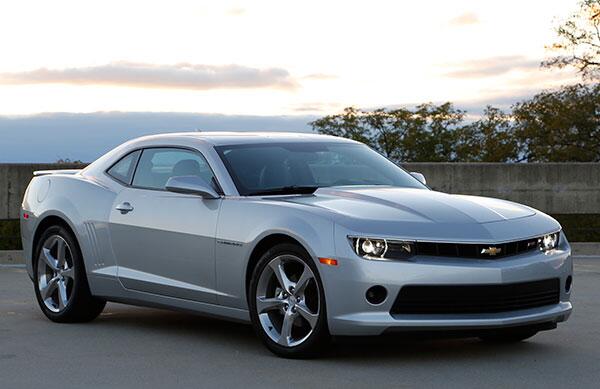
The 2014 Chevrolet Camaro features updated and the addition of a high-powered Z/28 model, keeping its place as the best-looking American muscle car currently on the market.
Changes for the 2014 model year include a new front fascia with a lower, wider front grille and new headlights. In the rear, there’s a new spoiler, redesigned exhaust tips and new single-piece taillights, replacing the old double-rectangle design found on the current Corvette Stingray). New Recaro sport seats are optional on Camaro SS and Camaro ZL1 models.
The Camaro Z/28 is a track-ready, super high-performance variant that weighs about 300 pounds less than the Camaro ZL1. The Z/28 is powered by a 7.0-liter V8 that makes a hearty 500 horsepower and 470 pound-feet of torque. It’s paired exclusively with a 6-speed manual transmission and uses a race-inspired suspension. Carbon-ceramic brakes and performance tires come standard. The interior is no-frills: Standard Z/28 models come without air conditioning (though it can be added as an option), and a spartan audio system that includes only one speaker.
Camaro LS and Camaro LT models continue with a 3.6-liter V6 that makes 323 horsepower and 278 pound-feet of torque. A 6-speed manual transmission is standard and a 6-speed automatic is optional. In terms of power, the V6 can pretty much pass for a V8, a bonus for the price. EPA fuel economy ratings are modest for its class, at 17/28 mpg City/Highway with the manual transmission and 19/30 mpg city/highway with the automatic.
Camaro convertibles are equipped like the coupes but feature a power soft top fitted with acoustical foam in the headliner to minimize noise with the top up.
Camaro SS uses the 6.2-liter V8 from the outgoing Corvette, good for 400 hp and 410 lb.-ft. of torque with a 6-speed automatic, or 426 hp and 420 lb.-ft. with a 6-speed manual gearbox. The Camaro SS uses firmer shocks, springs, and anti-roll bars than do the V6 models, but the ride doesn’t suffer for it. A limited-slip rear differential is included to reduce wheel spin when trying to put all that power down.
The uber-high-performance Camaro ZL1 uses a supercharged version of the 6.2-liter V8 good for a whopping 580 hp and 556 lb.-ft. of torque. It can accelerate from zero to 60 in 3 seconds flat with a top speed of 184 mph. While testing at Germany’s famed Nurburgring racetrack, Chevrolet factory drivers set a lap record with the ZL1, beating the Porsche 911 GT3. At $55k the ZL1 is cheap, given its level of performance.
We found the handling, ride, and brakes to be excellent in both the Camaro LT with the V6 and the Camaro SS with the big V8, although the SS suspension is stiffer and its 20-inch tires are firmer. Inside, the cabin is quiet, so 80 mph feels more like 70. Interior materials are good, but the instrumentation is disappointing, with GM trying to be retro rather than clean with gauges.
Perhaps the Camaro’s biggest drawback is its lack of driver visibility, due to its high beltline and relatively small windows. Upfront, the view is compromised by the long hood and raked windshield. Rearward visibility over the driver’s shoulder is hampered by the low, slanted roofline.
Competitors to the Chevrolet Camaro include American pony cars Dodge Challenger and Ford Mustang, each with high-performance versions. Those looking for performance and sporty handling at an attainable price should also consider the Scion FR-S or Hyundai Genesis Coupe.
Model Lineup
The 2014 Camaro 1LS ($24,550) comes with a 3.6-liter V6 and a 6-speed manual transmission. Standard features include cloth upholstery, manually operated air conditioning, manually adjustable front seats with power recline, power windows, power locks, power mirrors, keyless entry, cruise control, a tilt-and-telescoping steering wheel, six-speaker audio system with CD player, satellite radio capability and auxiliary audio jack, Bluetooth phone connectivity, OnStar with turn-by-turn route guidance for six months and 18-inch wheels. Camaro 2LS ($25,750) comes with the automatic transmission. (All prices are Manufacturer’s Suggested Retail Prices, which do not include destination charge, and can change at any time without notice.)
Camaro 1LT ($26,850) adds eight-way power front seats, remote start (on models with the automatic transmission), Chevrolet’s MyLink interface with a 7-inch touchscreen, Bluetooth audio streaming, USB port, and foglamps. Camaro 2LT ($30,050) includes leather upholstery, heated front seats, a head-up display, a 9-speaker Boston Acoustics audio system, rear parking sensors, rearview camera, heated outside mirrors, auto-dimming mirrors and 19-inch alloy wheels.
Camaro 1SS ($34,350) and 2SS ($38,150) feature the 6.2-liter V8 and are equipped similarly to the 1LT and 2LT respectively, plus a leather-wrapped steering wheel, limited-slip differential, special exterior trim, and a sport-tuned suspension. The SS 1LE Performance Package features 285/35ZR20 Goodyear Eagle Supercar performance summer tires, upgraded suspension with front and rear stabilizer, and a 3.91 final-drive axle ratio.
Convertibles are equipped similarly to the coupes and include the 1LT, 2LT, 1SS, and 2SS trims.
Camaro ZL1 ($55,355) adds a supercharger to the 6.2-liter V8 to get a mind-bending 580 hp and 556 lb.-ft. of torque. Added features include traction control, magnetic ride control, big Brembo brakes, retuned power steering, and unique 20-inch wheels. Front and rear fascias are slightly different than other models, and genuine carbon fiber is used for the extractor on the hood. Interior upholstery is suede-like microfiber with red accent stitching and a smaller, flat-bottomed steering wheel.
Camaro Z/28 ($72,305) is powered by a 500-hp, 7.0-liter V8 and is available in both coupe and convertible body styles. Standard models do not include air conditioning, and the spartan audio system has only one speaker. Track-worthy performance features like a race-oriented suspension, carbon-ceramic brakes, and special lightweight 19-inch wheels with performance tires.
Safety equipment on all Camaros includes electronic stability control with traction control, anti-lock brakes, frontal airbags, front side airbags, and side curtain airbags. A rearview camera is optional.
Walkaround
This latest-generation Camaro captures the look of the original ’67, though it’s bigger in every dimension: longer, wider and taller. For 2014, changes include a new front fascia with a lower, wider front grille and new headlights.
The shapely strong hips stand out, like the long hood, an edgy element the designer is most proud of because they took so much work. The rigid B-pillar is blacked-out, thus creating a clean outline for the side glass, blending into a handsome hardtop roofline. The short rear deck climbs upward and looks hot.
Viewed from the rear, and especially from above, the lines suggest the 1963 fastback split-window Corvette. Revisions for 2014 include a new spoiler, redesigned exhaust tips, and new single-piece taillights, replacing the old double-rectangle design that like found on the current Corvette Stingray.
Convertibles have a reinforced frame, with additional branding that helps it handle more like the coupe. Chevrolet says the convertible chassis is rigid enough that the suspension didn’t need to be changed from the coupe, and that the Camaro convertible has more torsional stiffness than the BMW 3 Series convertible.
Interior Features
The cabin of the Chevrolet Camaro is oriented more around style than function. The standard cloth bucket seats are good, although the bolstering isn’t fully there for hard cornering. It’s a tough compromise to make, given the spectrum of Camaro buyers. The low bolsters make getting in and out of the Camaro easier. Excellent leather upholstery is available in black, gray, beige, and two-tone Inferno Orange, and interior materials are good.
The front seat slides 8.5 inches and the steering wheel tilts and telescopes, so drivers of all sizes will fit. The stitched leather wrap on the steering wheel is nice; the ZL1 uses a smaller, race-inspired flat-bottomed wheel.
A recessed speedometer and tachometer are set in square housings, a nod to the classic Camaro interior. Between those two big gauges is a driver information center controlled via a stalk on the steering column.
The climate control buttons on the center stack appear to have been designed for looks, and thus aren’t as functional as they could or should be. An optional console-mounted gauge package includes oil pressure, oil temperature, volts, and transmission fluid temperature. The information is good, although the location down by the driver’s knee makes it difficult to see while driving.
The windows are small and the A-pillars are wide, so it makes the cabin feel a bit cave-like. Visibility through the windshield is compromised by the long hood and raked windshield, although careful location of the driver’s seat helps. Rear visibility over the driver’s shoulder isn’t very good, but then it’s impossible to make it good with a roofline this sporty.
The trunk is deep, but the opening isn’t large and it’s almost flat. This compromise is worth it for the handsome rear deck. There’s a pass-through to the trunk behind the rear seat, which isn’t easy to crawl into, and feels like a pit.
Rear-seat legroom measures 29.9 inches, a distinction, as few cars today break below that 30-inch mark. You’ll want to avoid riding in the back seat.
The convertible’s soft top is made of thick, durable canvas. Acoustical headliner material is designed to provide a quiet, coupe-like ride when the top is up, and the soft top incorporates a glass rear window and rear window defogger. The power-folding convertible top retracts in about 20 seconds. It folds in a simple Z-pattern and latches with a single handle located at the center of the windshield header. The transmission doesn’t have to be in Park for the top to be activated, allowing fast lowering while stopped at a red light, or when it starts raining in a dead-stop traffic jam.
Driving Impressions
The Camaro chassis is well-engineered. The rigid structure makes the turn-in precise for a car this size; the grip is secure, and the damping is solid and supple, with both the V6 (FE2 suspension) and firmer V8 (FE3). The front suspension uses struts, and the rear is an independent multi-link that’s rubber isolated.
The Camaro is a hefty car, 3860 pounds for the V8 and 3800 for the V6, so the handling couldn’t be called nimble, just secure and satisfying. The new Mustang is nearly 300 pounds lighter and feels it.
We never encountered a harsh moment with the ride, in either the LT or the SS. We spent a week in a 426-hp SS in the Pacific Northwest, and before that one day driving east of San Diego, where we had the chief designer, Canadian Gene Stefanyshyn, riding shotgun and giving us the backstory. He’s the guy you can thank for the true programming of the TAPshift manual automatic transmission. It does what you tell it to do, nothing more. We love that. Stefanyshyn said he too hates manual automatic transmissions that shift on their own.
One especially nice thing about the transmission is that when you’re in sixth gear on the freeway and lightly accelerate, it won’t kick down when it doesn’t need to. It uses its sufficient torque.
The Camaro LT with its 3.6-liter V6 shines. The Chevy V6 sounds sweet and gets 30 miles per gallon highway with the 6-speed automatic and optional 2.92 rear axle ratio. With the standard 3.27 gear, it accelerates from 0-60 mph in 5.9 seconds and will do the quarter-mile in 14.4 seconds, which is quick in anyone’s book.
The LT will also stop from 60 mph in 128 feet according to GM, but we’ve heard of the Camaro stopping much shorter in editorial testing. Surprisingly, the SS with its four-piston Brembo brakes doesn’t do much better, but the Brembos can be used harder without fade. And the vented rotors are huge, 14 inches front and 14.4 inches rear on the SS, compared to the LT’s matching fronts and 11.8-inch rears.
The V6 LT with a 6-speed manual gearbox is the most versatile sporty engine-transmission matchup. The gearbox is smooth if not buttery, and easily shifts down into first gear for hairpin turns. Chevrolet says the throws are short, yet there’s a Hurst short-throw shifter available as a dealer option. We’d take it. We tested one in the Shelby Mustang, and it made a world of difference.
The Camaro SS is humongous fast, so if you’re driving it hard, you’re deep into the danger zone with the law or you’re on a race track. Its throaty exhaust turns heads. The SS with the manual transmission and 426-horsepower engine revs to 6600 rpm, while the automatic with its 400 horsepower only revs to an underachieving 6000.
It’s hard to say who wins the perennial muscle-car battle between the Camaro, Mustang GT, and Dodge Challenger; those with a favorite aren’t likely to change their minds. But a battle of the stats gives the Mustang the edge, with its beautiful new 32-valve 5.0-liter engine. We think it’s more enjoyable to drive, too. The Mustang wins the pounds-per-horsepower battle, 8.7 to 9.1 (412/3580 vs. 426/3860), but the Camaro SS still wins in the quarter-mile, 13.0 to 13.2. Not that two-tenths of a second makes any difference in how much you enjoy your car. We love all three of these cars, so our advice is to choose the one you like the best. You can’t go wrong.
Ranking The Best Ford Pickup Trucks Ever Built
Are you looking for a small pickup to have some fun with? Maybe a well-rounded full-size pickup is a way to go, or perhaps you need a rugged heavy-duty pickup truck that was built for the job.
Ford has given us some durable and capable trucks over the years. But sometimes they surprise us with truly exceptional trucks.
Like in most car communities, there’s a lot of fighting among truck enthusiasts as to which manufacturer is the best. Some say it’s Dodge or Chevy, while others debate on whether American trucks are worth the money. Through all of this, however, there still stands a company which, constantly, receives praise from a lot of the trucking community: Ford pickups.
Ford began the automotive age, along with the bedded pickup trucks that’d follow. Since the early twentieth century, Ford has made outstanding trucks after outstanding trucks, culminating in what we have today. In honor of Ford’s accomplishments and their high-quality off-roaders
No matter what you’re looking for, you’ll find it all at Texas Carz with the Ford truck at Carrollton. Read on to find out which Ford truck is right for you.
2009 Ford F-150 Platinum
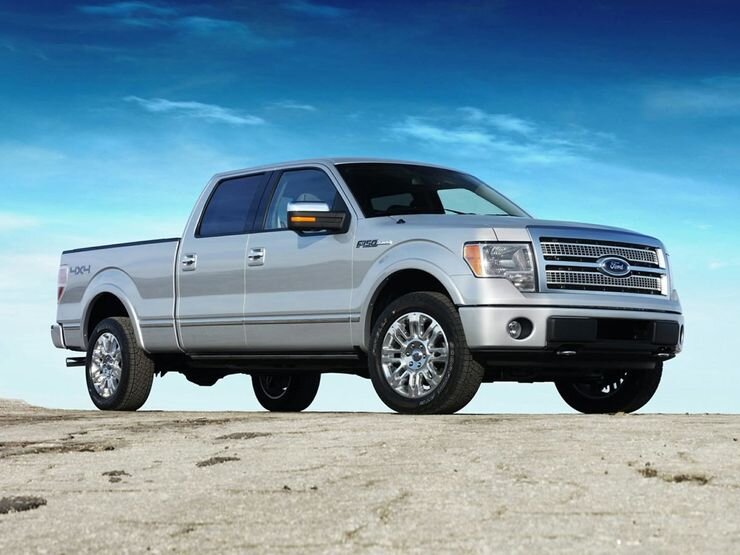
In 2009, Ford decided to begin the “Platinum” series for their F-150, and beyond, models. The idea is to have a capable work vehicle and off-roader that still feels luxurious and high-quality. Almost everyone loved the idea, as evidenced by the Platinum-series still going on to this day.
Ford F-150
The Ford F-150 is the best-selling pickup truck in America, and it beats out the competition time and time again. With a starting MSRP of $27,380, the F-150 is perfect for those who need a pickup that’s a jack of all trades. For everyday jobs, this full-size pickup has more than enough power, including:
- Best-in-class max towing capacity of 13,200 pounds
- Best-in-class payload of 3,270 pounds
- Best-in-class torque of 470 lb-ft
- Made with high-strength, military-grade aluminum
2005 Ford F-650 Super Duty
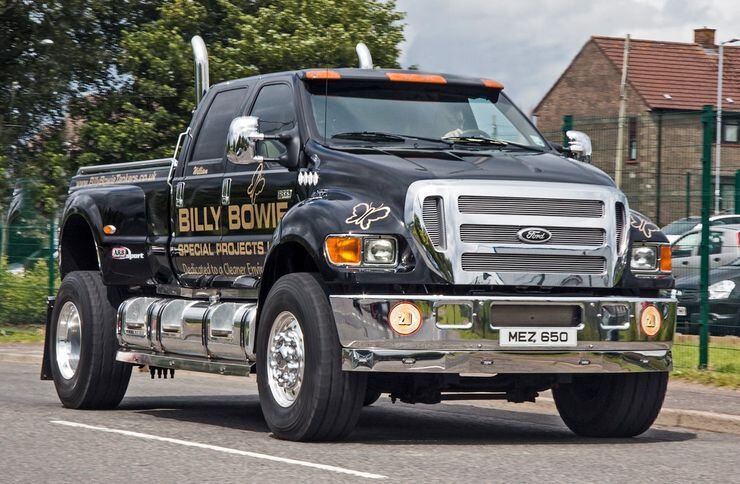
The Ford F-650 is the sort of truck that you’d get if you were (A) as big as Dwayne “The Rock” Johnson, (B) needed to pull an entire house, (C) love huge vehicles, or (D) all the above. Whatever the task is, the ’05 F-650 Super Duty will get the job done and take up an entire lane in the process.
Ford Super Duty®
Available in F-250, F-350, and F-450 formats, the Ford Super Duty® trucks are all super-duty pickups capable of tackling serious levels of work. Starting at $32,535 MSRP, the Super Duty® offers:
- Best-in-class conventional towing of 21,000 pounds
- Best-in-class gooseneck/fifth-wheel towing of 32,500 pounds
- Best-in-class payload of 7,360 pounds
- The segment’s only Trailer Reverse Guidance system
1998 Ford F-150 NASCAR Edition
It’s not every day that a carmaker produces a unique, one-off, version of their vehicles. These are, occasionally, joint-ventures/partnerships between other brands; i.e. Ford’s ’98 F-150 NASCAR Edition. With a slightly larger Triton V8, NASCAR badging, and 200+ horsepower, the ’98 NASCAR F-150 became an instant classic.
2018 Hennessey Velociraptor
Yah, sure, the regular Ford Raptor is cool, but what about one with six wheels? Well, apparently that’s what the tuning company Hennessey imagined in their ideal version of the Ford Raptor; titled the Velociraptor. You may mock it for being a copy of the Mercedes G65 6×6, but it’s way crazier than just that!
Ford Lightning
In the number one spot sits a truck that revolutionized the industry: the original Ford Lightning. The Ford Lightning is, arguably, the truck in which racers realize that trucks weren’t just good dragsters, but full of potential too. Without the Lightning, we’d probably not have the truck/pickup competition series’ that we are present now.
Which Will You Choose?
If you’re still unsure of which pickup is perfect for you, keep these points in mind:
Take home a Super Duty® model if you’re in need of a pickup that can handle tough hauling, towing, and loading tasks. Perfect for the worker who’s transporting large pieces of equipment, or even a heavy-duty camper.
The Ford F-150 is the ideal model for those who need a pickup that can handle everyday jobs, including basic hauling needs, like towing your boat to your favorite fishing spot, a small trailer full of your gear, or for basic trips to and from the store.