
2020 Ford F-150 Review
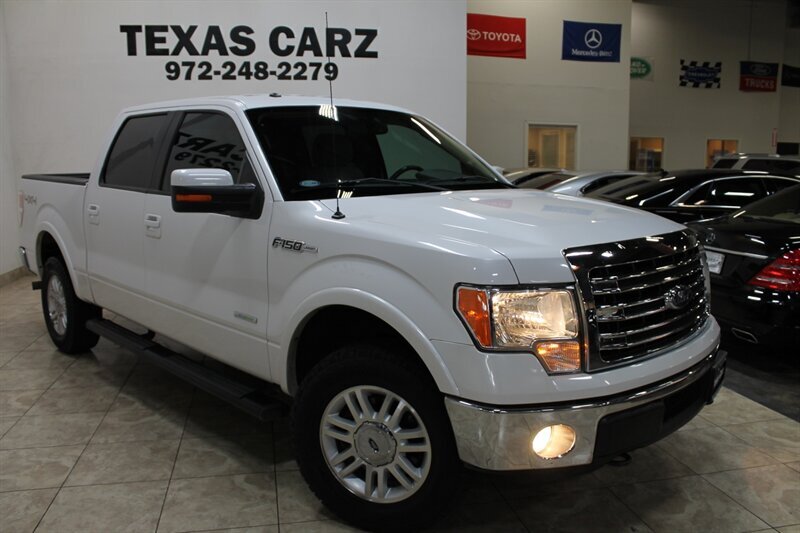
The 2020 Ford F-150 is a perfect example of the tough yet modern full-size pickup truck. It has the guts to tow and haul at the top of its class, yet it also offers a wide range of luxury and technology features. The combination makes it one of the most versatile trucks available and justifies the F-Series as the top-selling vehicle on the market.
A lot of the F-150’s appeal comes from its wide range of configurations. On basic work trucks, the base 3.3-liter V6 is paired with a six-speed automatic transmission. All other engines — including a fuel-efficient turbodiesel, two turbocharged V6s, and a tried-and-true V8 — are equipped with a quick-shifting 10-speed. Depending on your needs, some versions excel in towing, comfort, fuel economy, or off-road performance.
Ford has invested heavily to keep the F-150 updated with the times. In addition to its lightweight all-aluminum body, the truck offers a selection of advanced technologies. Standard on all models is a 4G LTE Wi-Fi hotspot, and most trim levels come with the Sync 3 infotainment system and an 8-inch touchscreen. Pre-collision assist with automatic braking is also standard equipment. New for 2020, the Ford Co-Pilot360 safety suite comes on the Lariat, King Ranch, Platinum, and Limited trims.
The F-150 is a well-rounded truck with few compromises for a full-size pickup. But it’s been a while since this version first launched in 2014, and you should note that competitors offer newer models. In particular, the Ram 1500 goes above and beyond with its smoother ride quality and innovative storage areas. The Chevrolet Silverado and the GMC Sierra are also freshly redesigned. But if you look at the F-150 for its advanced technology and user-friendliness, you won’t be disappointed.
Notably, the 2020 Ford F-150 is a featured vehicle in our Cheapest New Cars article.
What’s it like to live with the F-150?
The F-150 has been the truck sales leader for decades, so every new F-150 is massively important. That’s why we bought a bright blue Lariat for our long-term fleet when this generation launched in 2015. While we liked the truck overall, we were unimpressed by the new 2.7-liter engine’s real-world fuel economy compared to its EPA numbers. When the 2018 model bowed with a new transmission, we decided to buy another F-150 in nearly the same configuration, in part to see if the fuel economy improved. To read about how the economy improved — or didn’t — read our long-term F-150 test, where we also covered everything from performance to long-distance seat comfort.
<iframe width=”560″ height=”315″ src=”https://www.youtube.com/embed/8mfQZWSaqiE” frameborder=”0″ allow=”accelerometer; autoplay; encrypted-media; gyroscope; picture-in-picture” allowfullscreen></iframe>
What’s new
- Advanced driving aids now grouped into packages, with some standard on Lariat and above models and others on the Limited model
- New appearance packages for XL, XLT and Lariat trims
- 4G LTE Wi-Fi hotspot is now standard
- Part of the 13th F-150 generation introduced for 2015
Pros & Cons
- High towing and payload capacities are ideal for work or play
- Comfort and safety tech runs the gamut from blue-collar basic to luxury living
- Multiple engines deliver a balance of power and fuel economy
- Raptor model’s gonzo off-road ability
- The ride can be rough with an unladen bed
- Fell short of some fuel economy estimates in our real-world testing
Rankings & Research
The 2020 Ford F-150’s #1 ranking is based on its score within the Full-Size Pickup Trucks category. Currently, the Ford F-150 has a score of 9.1 out of 10, which is based on our evaluation of 49 pieces of research and data elements using various sources.
Is the Ford F-150 a Good Truck?
Yes, the Ford F-150 is an excellent full-size pickup truck. It offers six capable and powerful engines, rides smoothly, and can tow and haul more than every rival. Inside, this Ford provides plenty of space, and it’s available with lots of infotainment and driver assistance features. It also has one of the highest predicted reliability ratings in the class. One of the F-150’s most notable downsides is that a few rivals are more upscale on the inside.
2020 Ford F-150 Dimensions
- Length: 17 feet, 5.3 inches to 20 feet, 10.5 inches
- Height: 6 feet, 3.1 inches to 6 feet, 6.5 inches
- Curb weight: 4,069 to 5,697 pounds
Should I Buy the Ford F-150?
If you’re in the market for a full-size pickup, then yes, you should buy the F-150. It delivers on every front, and it’s competitively priced. That’s not to say it’s the only truck in the class worth considering. The Chevrolet Silverado and Ram 1500 are also fine choices.
Should I Buy a New or Used Ford F-150?
The 2020 F-150 belongs to a generation that began with the 2015 model year, and there have been a few noteworthy changes since. Ford refreshed the F-150 for 2018, improving its towing and hauling capacities, adding extra power for select engines and making the 10-speed automatic transmission more widely available. For 2019, the Limited trim got a new engine (the same high-output EcoBoost powertrain that’s in the Raptor), while the Raptor received new shocks. Ford also added some driver assistance features like forwarding collision warning, automatic emergency braking, and pedestrian detection to the standard features list.
For 2020, Ford makes the 10-speed automatic transmission standard with all engines (a six-speed automatic came with select engines in the 2019 F-150). Also, the lower trims are now available with more engine options than in previous years.
You can potentially save thousands of dollars by buying an older F-150, and many of the trims are largely the same as the new F-150, going back to the 2015 model year.
10 Things First-Time Car Buyers Need to Know
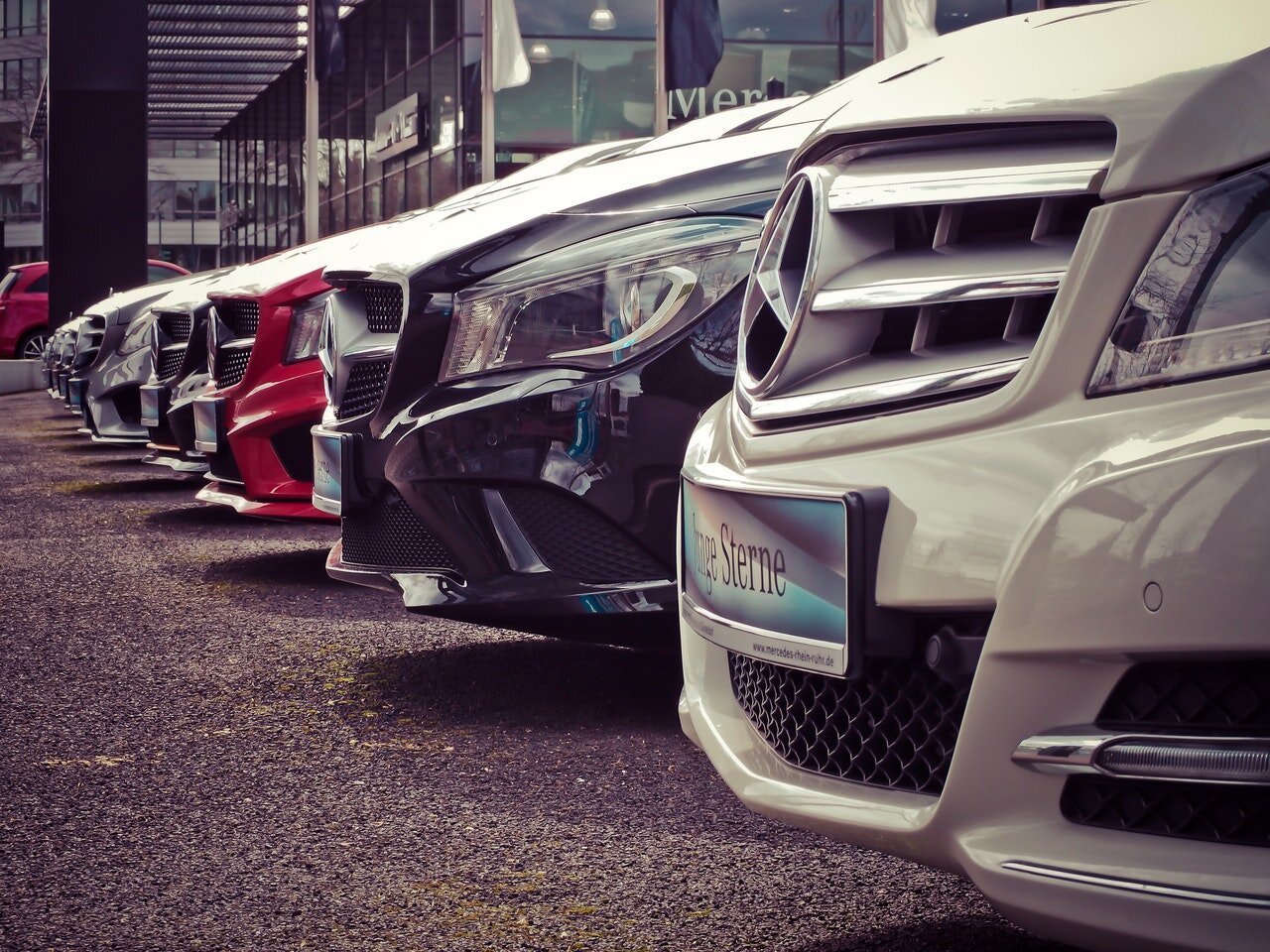
The time has finally come: You’re ready to kick your mom’s hand-me-down clunker to the curb and buy your first car. But before you race over to the auto dealership, cool your engines long enough to make a plan. These tips to know before buying a car will help ensure you get the vehicle you want at a price you can afford.
1. Know Your Budget
The first step in buying a car is to set a budget. This will help you narrow your focus to cars within your price range before you fall in love with one that’ll break the bank.
To create a budget, start by adding up all your monthly income and all your monthly expenses. Be sure to categorize your expenses as either fixed (such as your rent, utilities, or student loan payments) or discretionary (such as going out to eat or buying new clothes). Once you’ve got an accurate idea of your expenses, you’re likely to see several areas where you could cut back, which could leave you more money to put toward your monthly car payment.
In general, it’s best to keep your car payment below 10% of your monthly take-home pay. But your monthly payment isn’t the only factor to take into account when budgeting for a car. You’ll also need to consider the ongoing expenses of owning a car, such as insurance, gas, repairs, and maintenance.
Loan terms are another factor to consider. Auto loan terms generally range from 36 to 84 months. The longer the loan term, the smaller your monthly payment will be, but the more you’ll pay in interest over time. By choosing a less expensive car and putting down a larger down payment, you can opt for a shorter loan term and still keep your payments manageable.
2. Do Your Research
Once you have an idea of your budget, do some research to see what vehicles in your price range fit your needs. Researching online at local dealerships’ websites or automotive sites such as Edmunds.com, Autotrader or Kelley Blue Book will give you a good idea of the price you can expect to pay.
While doing this research, you’ll undoubtedly be tempted by great deals on car leases. Many drivers may prefer to own their car outright, but there are plenty of appealing advantages to leasing one. After all, you’ll get a brand-new car, typically for a lower down payment and monthly payment versus buying. But limitations can be restrictive, and you may balk at putting money into a vehicle you’ll eventually have to return. Ultimately, it’s a decision that depends on your personal preferences and needs.
3. Explore Your Financing and Purchasing Options
When you’ve narrowed down your dream car list, it’s time to think about how you’ll finance the purchase. Unless you’ve saved up enough money to buy a car outright with cash, you’ll need an auto loan to finance the purchase. According to Experian’s State of the Automotive Finance Market from the fourth quarter of 2019, 84.6% of new cars and 54.6% of used cars were financed.
You can get financing through an auto dealership or a third party such as a bank or credit union. However, because auto dealers will tack on additional fees for handling the loan, you can often get better terms from a bank or credit union. Getting preapproved for a loan through a third-party lender can also give you negotiating power to see if the dealer will match the loan terms.
If you’re applying to multiple lenders to get the best loan terms, be sure to apply to all of them within a short time. Applications made within a 14- to 45-day period (depending on the scoring model) will only count as one hard inquiry in your credit score. Once you’re approved, the lender will give you proof of the loan terms and amount to show the dealership.
When it’s time to buy, your options for where and how to do it are greater than ever before. Depending on whether you’re seeking a new or used car, you can buy from dealerships, dealership websites, online car-buying sites, or private sellers. Some services will even have the car delivered right to your door.
4. Improve Your Credit Score
Knowing your credit score before you seek financing for your purchase will give you an idea of which loan terms you’re likely to qualify for. Start by getting a copy of your credit report and checking to make sure it’s accurate. Then check your credit score.
Having good to exceptional credit (which lenders generally consider a FICO® Score? of 700 or above) makes it easier to qualify for favorable loan terms. Consumers with the highest credit scores financing a new car pay $522 a month on average while those with the lowest credit scores pay $562 on average, a $40 a month difference, according to Experian data.
If your credit score isn’t in that range, and you don’t need the car right away, consider postponing your purchase. In the meantime, you can work to improve your credit score and potentially earn access to loans with lower interest rates, which will save you money.
To help improve your credit score, continue to pay all your bills on time, pay down your debt and reduce your credit utilization ratio. For a quick boost to your credit score, consider Experian Boost, a free service that adds your on-time utility and telecom bill payments to your credit history.
5. Save for a Down Payment
How big does the down payment on a car need to be? Just as with buying a home, most lenders like to see a down payment that’s at least 20% of the car’s price. (If you’re buying a used car from a dealership, a 10% down payment is generally sufficient.)
There are several reasons a 20% down payment makes sense:
- New cars typically lose a portion of their value in the first year of ownership, so a down payment of 20% helps make sure you never owe more than your car is worth.
- The bigger the down payment, the smaller the loan you’ll need.
- A bigger down payment generally earns you more favorable loan terms, which saves you money in the long run.
Many dealerships, automakers, and automotive websites have online payment calculators you can use to arrive at the best down payment amount. By putting in various car prices and loan terms, you can estimate how different down payment amounts might affect your monthly payment and the amount of interest you’ll ultimately pay.
6. Consider Buying Used
Is your heart set on a shiny new car? You may have second thoughts when you discover just how much that new car smell will cost you. According to Experian data, the average monthly payment for a new car is 161$ more than the average monthly payment on a used car ($554 vs. $393).
Buying a used car is often a better option for first-time car buyers on a budget. Cars less than five years old typically have many of the same safety features and technological bells and whistles newer models do but at a much lower cost. If a five-year-old car is too “vintage” for you, look for dealers selling two- to three-year-old cars that are coming off leases.
You can buy used cars from auto dealerships or private sellers. Many car dealers and manufacturers sell “certified pre-owned” (CPO) cars. These are used cars that have undergone thorough inspections and reconditioning; they often come with limited warranties and other extras. When buying a CPO car, make sure you fully understand whether the car is covered by a warranty and, if so, what it covers.
7. Get the Car Inspected
Whether you’re buying a used car from someone you know or from a dealership, you should always have a trusted mechanic inspect it first. This is called a pre-purchase inspection and is a service most auto repair shops offer. You may have to pay a few hundred dollars for this service, but that’s money well spent if it keeps you from buying a car with major issues under the hood.
Even a CPO car should undergo an independent inspection before you buy it. CPO inspections tend to focus on major systems and obvious problems. Independent mechanics can point out smaller issues, poorly done repairs, and potential future problems. If the car has been inspected by the dealership, get a written report of the inspection to give your mechanic.
To find a mechanic, ask your friends and family for recommendations or look at online review sites for highly rated mechanics near you. Mobile mechanics who come to you to inspect the car are also an option, but taking it to an auto repair shop allows the mechanic to inspect it more thoroughly. If the seller objects to an independent inspection, consider that a red flag.
8. Negotiate the Price
Both dealerships and private sellers expect you to haggle over the price of the car. You’ll have more wiggle room with a used car since it doesn’t have a set MSRP (manufacturer’s suggested retail price). Even with a new car, you can generally negotiate your way to significant savings off the sticker price.
To drive a hard bargain, find out how much the car is worth by researching its value on automotive websites. Be sure to take into consideration any “extras” the car has, such as leather seats or a top-of-the-line entertainment system. When you arrive at an estimated average price, take 10% to 20% off that figure and make the seller an offer. You’ll have more leverage if you are preapproved for a loan or if you’re paying in cash.
Timing can help you get a better deal too. If you’re buying new and don’t need the car right away, try waiting until the last few months of the year to go shopping. That’s when dealerships typically offer special incentives such as cashback or promotional 0% APR financing so they can clear cars off the lot to make way for next year’s models. Can’t wait that long? If you can hold out until the end of the month, salespeople eager to make their monthly sales quotas are often quite willing to bargain.
9. Read the Contract Carefully
Buying a car can be a lengthy and stressful process. By the time you have a contract in hand, you’re probably so eager to get behind the wheel that you’re ready to sign the contract without even glancing at it. Unscrupulous car dealers count on this and may pad contracts with extra charges you never agreed to or change the terms you discussed.
When you sign a contract, you’re entering into a legal agreement with the seller—and once you put your name on the dotted line, it’s often very difficult or impossible to renege (and if you can, you’ll almost certainly pay a fee). Whether you’re buying from a dealer or a private party, take as much time as you need to read the contract in full before you sign. Don’t be shy about asking questions or calling a trusted friend or advisor if there’s anything you don’t understand.
10. Enjoy Your New Car
Congratulations—you’re a car owner! Buying your first car may be the first major purchase you ever make. There’s a lot to consider, but following the simple steps above can help ease the stress. With some careful budgeting, research, and planning, you’ll have the confidence to negotiate the best deal and get the car of your dreams without getting taken for a ride. Resource: www.experian.com
2013 Cadillac Escalade Review
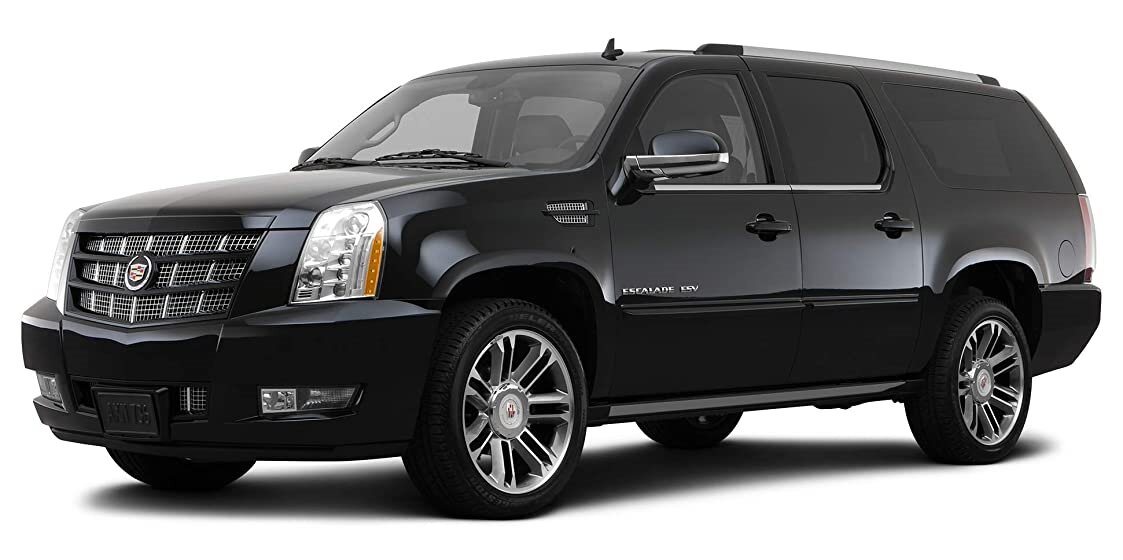
Vehicle overview
Fashion is a fickle mistress. There was a time when the Cadillac Escalade was the vehicle du jour for the wealthy, famous, or those keeping up appearances. Unlike the classic black cocktail dress or gentlemen’s two-button suit, however, the Escalade doesn’t enjoy a timeless status. Six years into the current generation’s run, the Escalade now looks more like yesterday’s fashion.
That’s not to say the 2013 Cadillac Escalade lacks merit, as it still satisfies the core expectations of any large luxury SUV. A long list of features, plenty of power at the driver’s disposal and an unmistakable road-going presence help this big Cadillac hold much of its original appeal.
But other rivals have upped their game and tarnished the Escalade’s shine with more capable alternatives. The Escalade’s third-row seats, for example, which penalize the center passenger with a distinct lack of space, mark one of the SUV’s more glaring faults. Cargo space also suffers, as the third row does not fold neatly out of the way and requires complete removal to accommodate a respectable amount of luggage. Add to that a thirsty V8, long braking distances, and the Escalade’s attractiveness to car thieves, and it’s no mystery why shoppers are looking elsewhere.
For these reasons, we’d steer potential owners toward the all-new and similarly priced 2013 Mercedes-Benz GL-Class, which essentially outperforms the Cadillac on all fronts. If expanded passenger and cargo capacity aren’t absolute necessities, the 2013 Infiniti QX and 2013 Porsche Cayenne are also worth consideration. Any of these choices will likely make a bigger fashion splash than the aging 2013 Cadillac Escalade.
2013 Cadillac Escalade models
Classified as a full-size SUV, the 2013 Cadillac Escalade is offered in Base, Luxury, Premium and Platinum Edition trim levels. Seven-passenger seating is standard, with an option to add a second-row bench for up to eight passengers (except on the Platinum trims). The Escalade Hybrid, the extended-length ESV, and the pickup-style EXT are reviewed separately.
The base Escalade comes standard with 18-inch wheels, an adaptive and auto-leveling suspension, a locking rear differential, a tow package, rear parking sensors, a power liftgate, automatic xenon headlights, foglamps, and heated mirrors with power-folding and driver-side dimming.
Interior features include remote ignition, tri-zone automatic climate control, a power tilt-only steering wheel, power-adjustable pedals, heated and ventilated 10-way power front seats with four-way lumbar adjustment, driver memory functions, heated second-row captain’s chairs, leather upholstery, and an auto-dimming rearview mirror. Additional features include a rearview camera, Bluetooth, OnStar, a navigation system, a touchscreen interface, and a 10-speaker Bose surround-sound audio system with a CD player, satellite radio, an auxiliary audio jack, an iPod/USB audio interface, and rear audio controls.
The Escalade Luxury adds 22-inch wheels, a magnetically controlled adaptive suspension, automatic high beams, a blind-spot warning system, a sunroof, power flip-and-fold second-row seats, and a heated steering wheel. Options include power-retractable side steps and a rear-seat entertainment system with a single display.
The Escalade Premium adds the above options plus body-colored styling components in place of chrome, dual exhaust outlets, and painted wheels.
The Escalade Platinum Edition gets a unique grille and wheels, LED headlamps, upgraded leather upholstery, extended leather interior trim, upgraded interior trim, heated and cooled cupholders, and a different rear-seat entertainment system with twin headrest-mounted screens.
2013 Highlights
The Cadillac Escalade returns unchanged for 2013.
Performance & mpg
The 2013 Cadillac Escalade comes with a 6.2-liter V8 that produces 403 horsepower and 417 pound-feet of torque. Rear-wheel drive and six-speed automatic transmission are standard, but all-wheel drive is optional.
In Texas Carz performance testing, an all-wheel-drive Escalade took just 7.5 seconds to go from zero to 60 mph, an impressive number for this size vehicle. Properly equipped, two-wheel-drive versions can tow a healthy 8,300 pounds. Fuel economy, as you might guess, is pretty dismal. The EPA estimates 14 mpg city/18 mpg highway and 16 mpg combined with rear-wheel drive and 13/18/15 mpg with all-wheel drive.
Safety
Standard safety features on the 2013 Cadillac Escalade include stability and traction control, antilock disc brakes, front side-impact airbags, full-length side curtain airbags, rear parking sensors, a rearview camera, and OnStar emergency telematics. A blind-spot warning system is standard on all but the base model.
In Texas Carz brake testing, the Escalade came to a stop from 60 mph in 144 feet, disappointing even for a full-size luxury SUV. In government crash tests, the Escalade earned an overall rating of four out of five stars. It earned five stars for total frontal and side crash protection, but just three stars for rollover risk.
Driving
On the road, the 2013 Cadillac Escalade’s big V8 delivers swift acceleration at all speeds. Its handling inspires confidence, especially with the active Magnetic Ride Control suspension, though you’ll never mistake the Escalade for anything other than a truck-based SUV. You will appreciate the ride quality, though, as it remains comfortable even with the larger 22-inch wheels. A relatively tight turning circle helps with overall drivability, but maneuvering in tight quarters can be a chore despite the aid of the standard rearview camera.
Interior
The Escalade’s cabin, highlighted by supple leather upholstery and attractive faux-wood and alloy trim, looks and feels more luxurious than a Tahoe or Yukon’s interior. The gauges and controls are well-placed and intuitive in operation, and there are plenty of luxurious features to keep drivers and passengers comfortable and entertained.
In its standard seven-passenger configuration, the big Caddy features second-row captain’s chairs and a three-person third-row bench seat. Adding the available second-row bench raises the total seating capacity to eight. The 50/50-split third-row seats don’t provide much legroom, however, and the middle passenger must sit atop the gap between seats. The third-row seats also don’t fold neatly into the floor as in most other SUVs. Instead, owners needing to carry bulky items are forced to either fold and tumble the entire assembly forward — consuming precious cargo space — or remove the heavy seats entirely.
Removing the third-row seats yields a cavernous 60.3 cubic feet of cargo room behind the second-row seats. Fold those second-row seats down and cargo capacity grows to an impressive 108.9 cubic feet.
Here are some reasons your exhaust system is acting up.
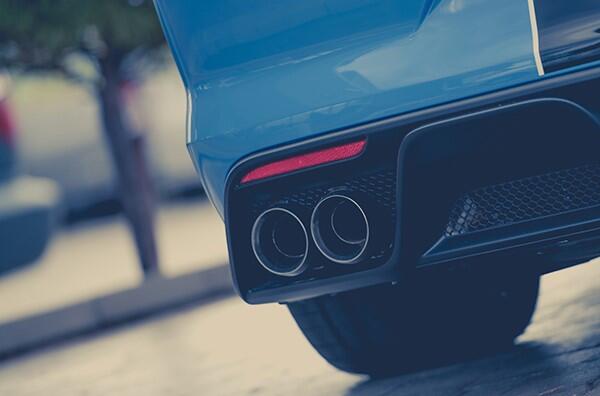
The exhaust system has a lot of parts that can be damaged.
From the cylinders through the manifold to the catalytic converter and beyond.
Your car’s exhaust system is a network of connected pipes and parts designed to filter and route emissions from the engine compartment toward the rear of the vehicle. Five primary parts – oxygen sensor, exhaust manifold, catalytic converter, and muffler – are involved. Components are joined together with gaskets, or seals, to minimize leakage. As the engine burns gas to power your car, it emits gases containing water vapor, unburned fuel, and acidic contaminants. The catalytic converter filters out most of the pollutants, converting the exhaust to a less toxic byproduct of carbon dioxide and water vapor. The exhaust then passes through the system of pipes, to the muffler, which all work to cool the exhaust and muffle the noise the system would make without all of these pieces in place.
Many of the pipes and fitments, as well as the muffler and key parts of the exhaust system, live under your car, probably the worst place to be, second only to where the oil dipstick has to spend most of its life. Being on the underside of the car, these parts of the exhaust system are exposed to all kinds of hazards – road debris, crud, dirt, water, snow, ice, construction materials, old shoes, boxes. You name it. What other stuff have you witnessed discarded or lost on America’s roads? Someone we know once ran over a wood 2×4 on the highway at night. It blew a hole in and did such damage that the whole pipe system had to be replaced. Before being repaired, you could hear his car coming a mile away.
Oxygen Sensor
Road junk and highway hazards aside, there are parts of the engine that rely on and contribute to the exhaust system that is not exposed to the onslaught of the outside world. The engine pistons are in their cylinders, busy making explosions, creating heat, and generating hot, noxious gases. The gases that result from all of this have to be pushed out of the cylinders, processed into environmentally friendly, legally acceptable emissions and passed through a piping system, and finally out the tailpipe.
All of this starts with the oxygen sensor. Located in or near the manifold, the oxygen sensor sends O2 level readings to the car’s computer, which regulates how much fuel is needed in the engine. This helps determine the best fuel mixture and efficiency. Without a properly functioning oxygen sensor, the computer can’t calculate the air/fuel mixture, which affects the engine’s performance, and this can affect many other systems as a result. For instance, if you smell gasoline as you drive, check the oxygen sensor as soon as possible.
Exhaust Manifold
The exhaust manifold sits over the cylinder heads and collects the exhaust gases from each, through exhaust valves, and pushes them through a single pipe to the catalytic converter. It also burns any excess fuel that is not used in the engine. A leak in the exhaust manifold can burn the exhaust valves, which compromises their seals over the cylinders, and impacts the performance of the pistons, hence the engine. If the manifold is cracked or has a leak, the backpressure in the exhaust system will be incorrect, which reduces engine power. Sputtering, sluggishness, and strange noises like ticking or clicking, and other problems are all symptoms of a compromised exhaust manifold. Additionally, a damaged manifold causes slow warm-up time which results in excess fuel consumption, and in turn, will cause excess wear on your catalytic converter.
Over time, the constant expansion and contraction of the manifold, caused by the heating and cooling in the engine, can cause the manifold to crack and leak. These leaks permit hot toxic gases to escape, which can damage other components in the engine compartment. A leaking exhaust manifold can also affect the engine performance. Some symptoms of a cracked, leaking manifold include:
– Excess, unfamiliar noise from the engine.
– Low engine performance.
– Check engine light is on.
– Smells from the engine compartment – burning, melting.
Catalytic Converter
The catalytic converter, even though it is on the underside of the car, sits cozily within its own secure, hard case just behind the engine. Once exhaust gases leave the cylinders and pass through the manifold, they flow into a single pipe toward the catalytic converter. This important piece comes after the exhaust manifold and serves to convert the harmful carbon monoxide and hydrocarbon gases into carbon dioxide and water vapor, making the exhaust safer for the environment.
Some converters also reduce harmful nitrogen oxides. If the odor you are smelling is like rotten eggs, then the catalytic converter is probably failing. The rotten egg smell is because the converter is not breaking down the sulfur pollutants created by the engine. Catalytic converters can’t be repaired – they must be replaced.
Muffler
The muffler does exactly what its name implies – it muffles the extreme levels of noise produced by the combustion process (explosions) in the engine and noise throughout the exhaust system. The sounds of the combustion process travel through the system, to the muffler. The muffler is a metal chamber attached to the tailpipe assembly at the rear of the car. It contains a series of baffles that sound must travel through. As the sound traverses the baffles, it
dissipates. At the end of the muffler is the resonator, which cancels out the sound waves.
What about that water dripping out of the tailpipe?
If you see liquid dripping out of the tailpipe, don’t panic. It normal and harmless condensation of water vapor This is caused by the exhaust system getting hot, then cooling down, which causes moisture to collect, or condense, in the muffler and pipes. It then manages to flow and drip out the tailpipe.
Exhaust Leaks
An exhaust leak is dangerous, as the fumes contain carbon monoxide and could potentially get into the cabin of your car. When the exhaust system isn’t working correctly, extra heat flows into the engine. This damages the catalytic converter. The best thing to do is to take your car to a muffler repair shop where they can insert a new section of pipe
or component to make sure your exhaust system is tight and leak-proof.
Noises & Performance
A chugging or rhythmic hissing noise could mean a blockage in the exhaust system. Additionally, loud, abnormal sounds will come from the engine area, and/or the tailpipe. If you hear rattling under the car it could mean that the exhaust system has become loose, misaligned, or disconnected. If you hear a loud metallic vibration, it usually means that something is touching the exhaust pipe or that a mounting is loose.
The Importance of Changing Car Oil
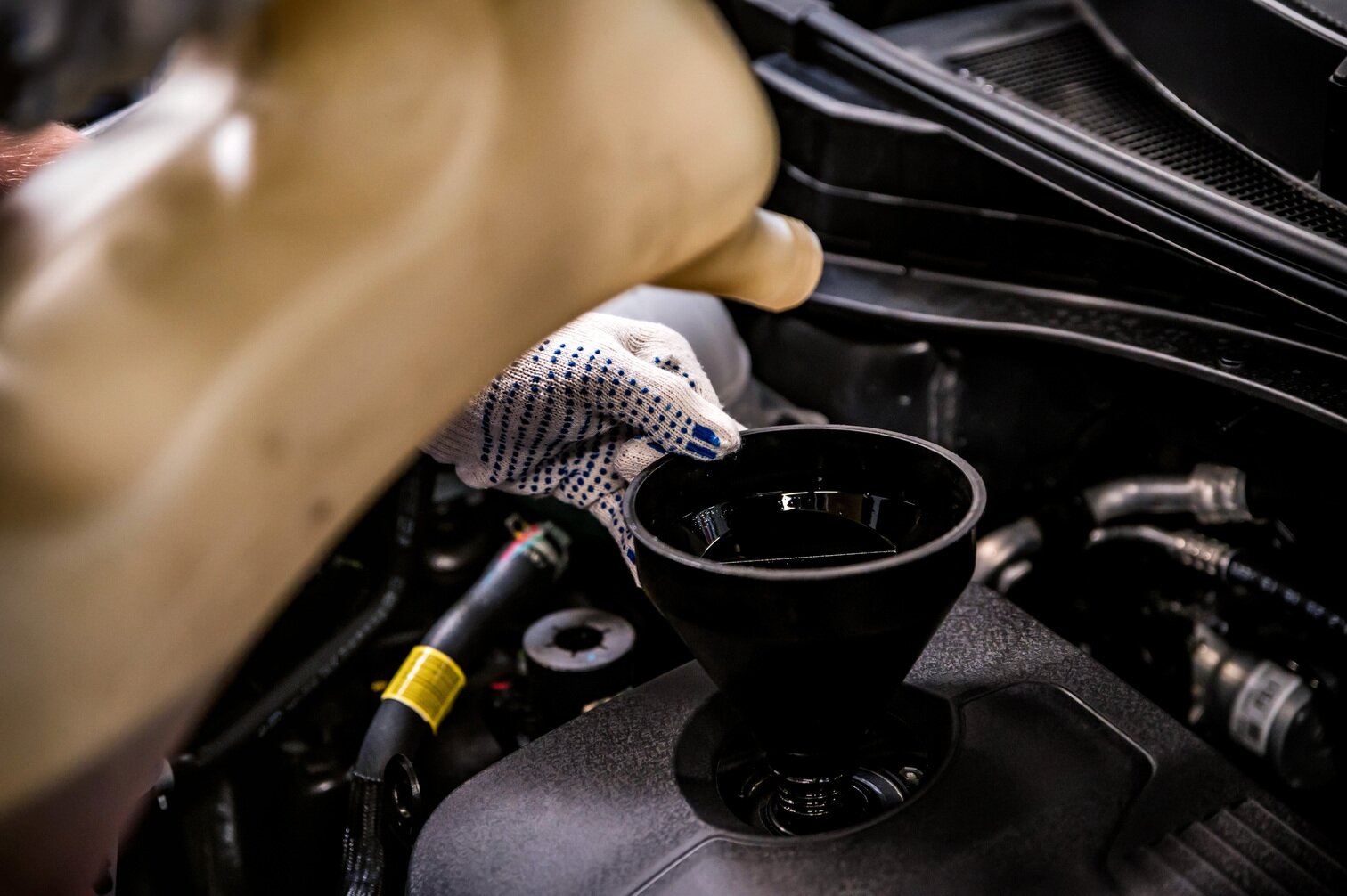
Every car needs an oil change. It’s recommended that drivers have this service completed approximately every 3,700 miles, or as outlined in the owner’s manual. There’s no doubt that frequent oil changes prevent expensive restoration costs and keep vehicles in good working order while prolonging their life – without this service they can end up with accelerated wear and tear, loss of performance and fuel economy, and increased emissions and oil consumption. Sadly, many drivers neglect to comply with correct maintenance procedures, thereby considerably decreasing the lifetime of their vehicles. Not good.
Dirty oil contains all manner of particles and impurities that can clog oil passages and damage internal engine components. An oil change is a procedure through which the previous oil is drained from the engine, the oil filter is replaced with a brand new one and new oil is added. Your car will also receive a multi-point visual check including your tires, transmission, and all the other vital fluids that it requires. This service is easy, quick, and inexpensive and provides your vehicle with the care that it needs to prevent potential problems and get you back on the road safely. Save your worries for something else and do yourself and your car a favor; come in for an oil change today, it’s worth the investment!
Why is changing engine oil so at the proper interval so important? Making sure that you change your oil regularly is the most important routine vehicle maintenance there is. Properly scheduled oil changes are crucial in keeping your car running properly. An oil change service is a great opportunity to have other areas of the vehicle checked out as well. At all kwikkarAuto Service Centers across New York, Massachusetts, and Connecticut, your oil change is a quick and simple service, that also includes a complimentary multi-point inspection. This means that not only do you get your oil changed in a quick and timely fashion, but you will also receive a free multi-point inspection as part of your service. As part of this complimentary service, we will also inspect your belts, hoses, air filter, tire pressure, fluid levels, and much more. Our fully trained and certified staff are here to give you advice that you can trust. So whether you have a brand new vehicle that you just picked up or you are driving a vehicle that is a trusted friend, regular oil changes are something you cannot ignore.
1. Regular Oil Changes Keep Your Engine Clean
When oil flows into the engine from other areas, dirt and other particles will begin to accumulate within it. If you are not changing your oil at the proper intervals, sludge will begin to build up in your engine. Those who may live in drier, dustier areas will have even more particles making their way through. Changing your engine oil as well as replacing your filters on a timely basis will get any of these harmful bits of dirt and debris out of your engine before they do any damage.
2. Longer Engine Life More Likely with Routine Oil Changes
Oil is the lifeblood of your vehicle. It lubricates and protects your engine and many of its critical parts from wear and damage. The problem is, oil gets dirty. By making sure that you have your oil and filter changed according to your owner’s manual specifications, you will keep your engine clean and protected, as well as saving time, money, and stress. A regularly scheduled oil change is an investment that will help ensure that you will be driving around in your vehicle for years to come.
3. Changing Your Oil Protects Other Engine Parts
What does oil do in my car? Inside your engine, many key parts make your engine runs such as the crankshaft and the connecting rods. These rods control the pistons inside of your engine’s cylinders. There is also another piece called the camshaft which assists in opening and closing the vehicle’s exhaust valves. Making sure that you have clean oil in your vehicle’s engine is crucial in keeping these components well moving and running properly.
4. Get Better Gas Mileage by Changing Your Oil On Time
Changing my oil on time and I will get better gas mileage? How does that work? Finding a vehicle that is good on gas is important to all of us. Overall miles per gallon are affected by several factors including environment, terrain, personal driving habits, and vehicle maintenance. Without proper maintenance, all that dirt and grit we talked about earlier will build up inside your engine causing friction, and friction is no friend of your engine. Friction is the enemy of engine performance and optimum fuel economy. Making sure that your engine always has clean oil in it will help to reduce friction, allowing your engine to run more efficiently with the best possible gas mileage.
5. Pass Your Vehicle Emissions Test & Protect The Environment
When it comes to passing an emissions test it is all about how many of these particles called hydrocarbons are being sprayed out into the atmosphere. If you fail to change your oil regularly, dirty oil causes a build-up of these hydrocarbons inside areas of your engine’s crankcase. These then get burned up, causing more of them to be released into the air through the vehicle’s exhaust. Not only will changing your oil on time help you pass this required emissions test, but you will also be polluting less.
6. Routine Oil Changes Help with Better Engine Performance
Over time, old oil breaks down due to exposure to heat. This causes it to lose its viscosity as well as its ability to lubricate the engine cylinder walls. Essentially, the dirtier the oil is, the harder it is to go where it needs to. That sludge begins to build up in areas blocking the flow to parts that need lubrication. Another function of oil is to draw heat from your parts of the engine. If they are covered with sludge, these parts stay hotter longer. Ultimately the engine will run less efficiently as its performance is robbed of both gas mileage and horsepower.
Resource:
liacars.com
ezlube.ca
How to Choose the Right Car for You
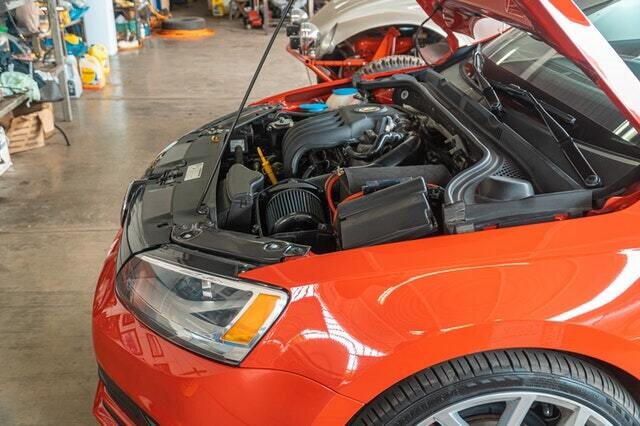
As a car shopper, you have hundreds of choices when it comes to picking a new ride. While there’s something for every buyer, finding that perfect match isn’t always easy. Do you want a sports car but need an SUV? How critical are safety and fuel economy? Will that full-size truck fit in your garage? Do you need something that can drive off paved roads, or do your wheels never leave the pavement? How many people do you need to carry, and do you
need to carry a lot of cargo?
Finding the right ride involves finding the nexus of what you want and what you need. Fortunately, there are lots of tools available to help you narrow your search, including U.S. News & World Report’s new car rankings, used car rankings, and vehicle comparison tool.
What Kind of Car Do You Want?
Cars tend to be extensions of our personalities, so you’ll probably gravitate toward cars that fit yours. Most car buyers know what they don’t like, so that thins the field out some more.Are you looking for a bit of driving excitement? Maybe it’s time for a sports car. Imagine yourself on weekend adventures? Maybe an off-road capable vehicle should be on your list.
What Kind of Car Do You Need?
Sorry, but time to come back to reality. For most of us, our wants have to be tempered by our needs. Think about your lifestyle and how your car fits into it. If you have two kids and another on the way, you need to think long-range to those soccer-filled Saturdays. The ability to fit car seats becomes critical, and cargo room moves up the list of importance.
If you’re a business professional who has to shepherd clients around, you’ll need something more upscale than a high-mileage subcompact, but if you drive long distances for work, you’ll want something that gets great fuel mileage. Once again, being honest with yourself and thinking ahead will serve you well as you contemplate this large purchase.
What you can afford also should come into play when you start thinking about what you need, but we’ll explore more about budget later.
Who/What You Carry
Are you looking for a vehicle to use as a solo commuter, or is the vehicle going to be the Family Truckster? If you have kids, they might fit in the third row of that midsize SUV today, but odds are that they are going to grow, and planning for a large SUV with a more spacious third-row might be a better idea. If you have to fit car seats, are there enough places to put them, and would they be easy to access, both for installation and for strapping kids in?.If you’re considering a low-slung sports car, can you and your partner climb in and out comfortably? If it is difficult at first, you’ll probably not like it any better a year down the road. Do you carry clients? You’ll want to check out the back seat of that sedan that you’re considering to see if there’s sufficient comfort.
You will also want to consider your cargo. If your weekdays involve shuttling the kids, but your weekends have you commuting to the home improvement warehouse, a crew cab pickup might be the best solution. Do you spend a lot of time on the golf course? Check out that sedan’s trunk to make sure your clubs fit.
Where You Live
There’s no one-size-fits-all solution for every environment. While a tiny subcompact might be a great solution in the city, it might not be a good choice for snowy mountains. Ever try and park a full-size truck in the city? Hint: It’s not fun. Ever try to drive a high-power sports car on ice? It’s even less fun.
If the weather is an issue where you live, you’re a good candidate for an all-wheel-drive vehicle that can handle rainy or snowy days with confidence. If your home is at the end of a gravel road that gets muddy in the winter, you might need to go a step further and opt for a four-wheel-drive SUV with high ground clearance and a low-range transfer case for maximum traction.
Looking for a car for the urban jungle? Smaller cars that are more maneuverable tend to excel in the land of grocery store parking lots and parallel parking. Look at fuel prices where you live.
What You Do (and What You Want To Do)
You’ll want to look at cars that not only fit your daily commuting needs but also your transportation needs on the weekend and longer trips. Unless you can afford a car for each role, you’ll want to find a balance between the two.
Often, you can find that compromise simply by properly equipping the car you buy for its primary job. Say you need to commute with colleagues during the week, so a midsize sedan fits that role with a pretty decent fuel economy. However, on the weekend you like to find twisty rural roads and let your driving enthusiast out. A good compromise might be a sporty sedan with performance tires, large wheels, paddle shifters (or manual transmission), and a sport mode that amps up its performance.
If your week involves shuttling kids from activity to activity, but your weekends are filled with ski trips, you can balance the two with an all-wheel-drive crossover with a rooftop cargo box for the skis and snowboards.
What You Can Afford
This one is a bit more difficult, because what you can afford can be measured a couple of different ways, and the way that car dealers like to do it isn’t generally very good for you in the long run. They’ll want to focus only on the monthly payment, but you should focus on the total cost of the car, including registration, insurance, fuel, and maintenance costs.
By focusing on the monthly payment, it is easy to be convinced to stretch your payments out to buy more cars. But by doing so, you can pay thousands more in interest, put yourself at increased financial risk, and limit your ability to move into another car as soon as you might want to.
Staying informed about what is happening in the market helps you stretch your buying power. Each month, manufacturers offer new car deals, lease deals, and used car deals. You can save big money by finding a new car with a cashback or low-interest financing offer.
What You Can Compromise On
You’re probably going to have to compromise on something in your car search. You might think about giving up the latest infotainment technology and saving thousands of dollars by buying a used car rather than new one. If you’re only going to use the third row of seats in a large SUV occasionally, you save a bunch of money on gas by choosing a more efficient midsize crossover.
You can also save money by paring down the optional equipment that you purchase. Instead of buying the $2,795 rear-seat entertainment package , buy a couple of iPads instead, and save $2,000. There are many features you can skip or buy from less expensive aftermarket suppliers.Resources: cars.usnews.com
Car finance explained

Finding just the right car can be a challenge, and part of that challenge is deciding how to pay for it. We can help make that challenge easier by walking you through the available payment options to help you work out what’s best
Why paying for a car with cash is best:
As long as you keep enough savings to cover other major purchases or unexpected car costs in the future, paying cash is normally the cheapest way to buy your car.
Here are the main reasons why:
You own the car outright
Buying your car with cash means you own it straight away, so if you got into financial difficulties you could sell it.
If you’ve bought a car using a finance agreement such as personal contract purchase (PCP), personal contract hire (PCH), or hire purchase, the finance company owns the vehicle during the contract. This means you can’t sell it and if you get behind with your repayments, you might lose your car.
You save money while savings interest rates are low
While savings interest rates are low, it often makes sense to use savings rather than borrowing at a higher rate of interest.
For example, with 1000$ in a savings account earning 2% interest you would make 20$ in interest in one year.
If you borrow $1,000 to buy your car, and you paid 9% interest you’d have to pay around $90 interest on the loan in one year. This means you’d be $70 worse off than if you used some of your savings to buy the car.
Tips for buying in cash
If you don’t have enough savings to buy the car outright, you could use what you can afford to put down the biggest deposit possible so you spend less on loan interest.
If you’re not paying with cash, you’ll be using car finance or credit to buy your car. If you’re using credit, you’ll get the best deals if you have a good credit score.
Remember, just because your credit score is good and you’re allowed to borrow a larger amount, it doesn’t mean you’ll be able to afford it. You need to work out all your outgoings and be confident that you can make all the repayments for the full term of the credit deal.
If you get behind on your car payments, talk to your finance company or lender as soon as possible. You might be able to return the car or pay off the loan early.
If you don’t have enough cash or savings to buy a car, personal loans are usually the cheapest way to borrow money over the long term.
The monthly repayments can be higher than other options, but you own the car from the start of your loan and the total amount you pay should work out less than most other methods.
If your credit score isn’t good you might find it difficult to get a loan.
If you think you have a bad credit score, there are ways to improve your credit score.
This is a simple type of car finance. You usually pay a deposit of around 10%, then you make fixed monthly payments over an agreed period.
Here’s what you need to know:
The car isn’t yours until after the final payment, unlike with a personal loan. This means the loan is secured against the car, so if you miss payments, you could lose the car.
Hire purchase agreements are set up by the car dealer, and brokers also offer the service.
Rates are best for new cars, so check what you’ll be paying if you’re buying a used car.
You have certain consumer rights with hire purchase agreements.
Once you’ve paid half the cost of the car, you might be able to return it and not have to make any more payments – check your contract to see if this applies to you.
Once you’ve paid a third of the total amount you owe, your lender can’t repossess your vehicle without a court order.
Personal Contract Purchase (PCP): how it works
A Personal Contract Purchase (PCP) is a more complicated way to pay for a car. It’s like a hire purchase, allowing you to use the car until the contract ends. At the end of the contract, you can either:
Return the car.
Pay the resale value and keep it.
Use the resale value towards buying a new car.
You need to be aware of how a PCP works to make sure it’s right for you.
One thing to be aware of is the creditworthiness assessment. This is based on two factors. First is the affordability of the PCP payments across the whole term of the contract based on your finances – think of it as finding out how difficult it is for you to keep up your repayments. The second is credit risk, which is the chances of you not paying your PCP loan back to the loan company.
Here are the steps to getting a PCP deal:
You’ll need to pass a creditworthiness assessment before the PCP is set up. Before you sign up for a PCP deal, it’s really important to make sure you have worked out that you can afford to meet all payments over the whole term of the contract, which could last up to four years.
You’ll need to pay a deposit, usually 10% of the value of the vehicle.
Use the car and make your payments for the duration of the contract. Make sure you stay within your mileage restriction. There will be charges if you go over your limit.
If you want to keep the car, you’ll need to make a final payment, often called a balloon payment. This is based on what the dealer thinks the car is worth now – Guaranteed Minimum Future Value (GMFV) and can range from a few hundred to a few thousand pounds. It will be a larger payment than your monthly payment. If you haven’t got this money saved, you may have to take out another loan to pay it off.
If you’re not going to keep the car, you can hand it back without any further payments.
Alternatively, you can offer to pay off the GMVF and put down another deposit for a new car.
Here are the important points to know about PCPs:
Always check your contract and terms and conditions to make sure you understand any fees and what happens if your situation changes and you need to alter your agreement.
Make sure you know how much you’re paying back – often you’ll pay more with a PCP than with other types of car finance.
You’ll usually be charged for exceeding your agreed mileage.
Excessive wear and tear and damage, such as scratches, can mean you’ll receive additional charges.
To end the deal early or cancel it, you must have paid half the value of the vehicle. If you haven’t, you’ll need to pay the difference before you can get out of the contract. The car will need to be in good condition too, or you might be charged for repair costs.
If you plan to take your car abroad, check your PCP contract as some companies will impose a limit on the number of days your car can be out of the country.
Personal Contract Hire (PCH): how it works
A personal contract hire (PCH) plan is a form of car leasing where you never own the car.
If you’re not planning to buy the car at the end of a PCP, a PCH might be a cheaper option.
Here’s how PCH works:
You may need to pass a credit check and pay a few months’ lease upfronts, typically three months. Although you may pass the credit check, companies might not check whether you can afford the monthly payments. It’s up to you to make sure you have worked out that you can pay what you’re agreeing to. It’s really important that you’ve thought about all your outgoings before you sign any deal and that you’re confident you’ll be able to meet repayments for the full length of the contract.
Use the car, sticking to your mileage agreement to avoid extra charges. With a PCH, costs such as servicing and vehicle excise duty (car tax) are included, so you only need to pay for fuel.
Keep the car in good condition. Any damage not allowed in your terms and conditions might mean you get extra charges.
Return the car at the end of the agreement.
Here are the important things to know about a PCH:
Always check your contract and terms and conditions to make sure you understand any fees and what happens if your situation changes and you need to alter your agreement.
If you go over the mileage in your contract, you’ll usually be charged extra fees.
You never own the car and have to return it at the end of the contract term.
If you want to end the contract early, you usually have to pay some charges. Check your terms and conditions before you sign up so you’re prepared if you need to get out of the contract.
When you return the car, it must be in good condition. Normal wear and tear are usually allowed, but this depends on your agreement. Any damage that isn’t covered might mean you have to pay extra charges.
Buying a car on a credit card: how it works?
Remember
It’s good to compare APR rates, but make sure you look at the total repayment amount as well.
Using a credit card to pay all, or part, of your car’s purchase price, will give you extra protection on the full purchase cost.
However, some dealers might not accept credit cards at all.
Remember that interest rates on credit cards can be higher than other types of finance. A 0% deal is usually best, as you can pay off the loan over several months without having to pay interest. If you haven’t got a 0% deal, pay the balance off straight away to avoid interest.
How to buy a car using a peer-to-peer loan
Although peer-to-peer loans bypass traditional financial institutions such as banks or building societies, you still need a good credit score to get the best rate.
Things to remember before making a decision?
Top tip
Make sure you get the most money when selling your existing car, whether you’re part-exchanging at the dealership or selling privately.
The more you make on it, the less money you’ll need to raise for your new car.
If you’re thinking of taking out a personal loan or car finance arrangement, here are some things to think about:
Remember with leasing, you’re charged a fee if you repay early or exceed the forecast mileage.
Compare the total cost of borrowing, including interest and all charges over the term of the loan.
Ask yourself whether you’ll be able to afford the car’s running costs on top of your monthly payment. Check your budget then calculate the running costs.
Compare interest rates by looking at the annual percentage rate (APR), which includes the interest rate plus all other lender’s charges. The larger your deposit, the lower the interest rate is likely to be.
Think carefully before buying payment protection insurance or GAP insurance cover, which pays out if your car is stolen or written off. Both can be expensive and might give limited coverage.
Peer-To-Peer Auto Loans Pros and Cons

The peer-to-peer auto loan is not exactly new. Years ago, before credit cards became a common resident in people’s wallets, if someone needed a relatively small, short-term loan, they would look to a family member or close friend. As we all know, borrowing money from friends or family can cause lots of personal problems. But still, if that was your only choice, then that’s where you went. Credit cards and small bank loans changed all of that, at least for most people.
Now, with the advent of the internet (and with a pretty strong nudge from a bad economy) a new form of financing has appeared in the last few years: peer-to-peer lending. Peer-to-peer (also known as P2P) loans are growing in popularity in several areas, including auto financing.
History
Peer-to-peer lending, in general terms, refers to the practice of loaning money, typically to unrelated borrowers, through non-traditional means. By “non-traditional” I’m talking about an institution that is not a bank, insurance company, investment firm, credit card company, or loan shark. That pretty much covers everyone in the lending business. Until now.
Peer-to-peer lending was born on the internet and, early on, it relied on social networking to provide the “meeting place” for lenders and borrowers to get together. Today, however, several loan intermediary companies have appeared on the scene and have, for the most part, taken over the P2P market from social networks.
Things move pretty fast in the digital age. Peer-to-peer loans are a good example. They’ve only been around for a few years and might still be characterized as the “wild west” of financing. However, P2P loan sites, such as Lending Club and Prosper, are now attracting huge investors who are pumping hundreds of millions of dollars into them, which means that the P2P loan business is quickly becoming a well-established and legitimate member of the finance industry.
How P2P Loans Work
The general idea of a peer-to-peer loan is to match an individual lender to an individual borrower. P2P lending sites are where borrowers go to find a lender. The application process is pretty simple. Visit the site and fill out the online application. If you qualify, then you will be shown a list of potential lenders along with the terms and interest rates for taking out a loan. If you like what you see, then you finalize the loan and get your money. Sound great, doesn’t it? Not so fast.
Pros and Cons
There are several attractive reasons for considering a peer-to-peer auto loan. But, as you might expect, there are also a few drawbacks. We should note here that we are referring to the pros and cons from the borrower’s point of view. If you are considering becoming a P2P lender, you can simply take these pros and cons and reverse them.
Pros
Loan seekers with less than perfect credit who cannot secure a loan through more traditional means may be able to find one on a P2P site.
P2P loan sites, in many ways, work like auction sites where the parties on both sides come to terms that are acceptable to both without the interference of a middle-man who determines the rates and terms for you and takes a cut.
P2P loans are (and this is important) unsecured, which means that a lender cannot repossess your vehicle if you fail to make your payments on time.
Cons
If you are one of those loan seekers with bad credit mentioned earlier, be prepared to face very high (sometimes extremely high) interest rates.
Just because your loan is unsecured doesn’t mean there are not real-world, negative repercussions waiting for you if you fail to make your payments. Just like traditional loans, if you do not meet your debt obligations, your credit rating and scores are going to take a big hit.
Are Peer-To-Peer Auto Loans Worth It?
Peer-to-peer loans are great in that they provide a real alternative to traditional loan options. Whether you sign on to one, however, is strictly up to you. No matter what you decide, just be sure that you read all of your loan documents and understand all terms completely before you commit.
FAQs-About-The-V8-Engine
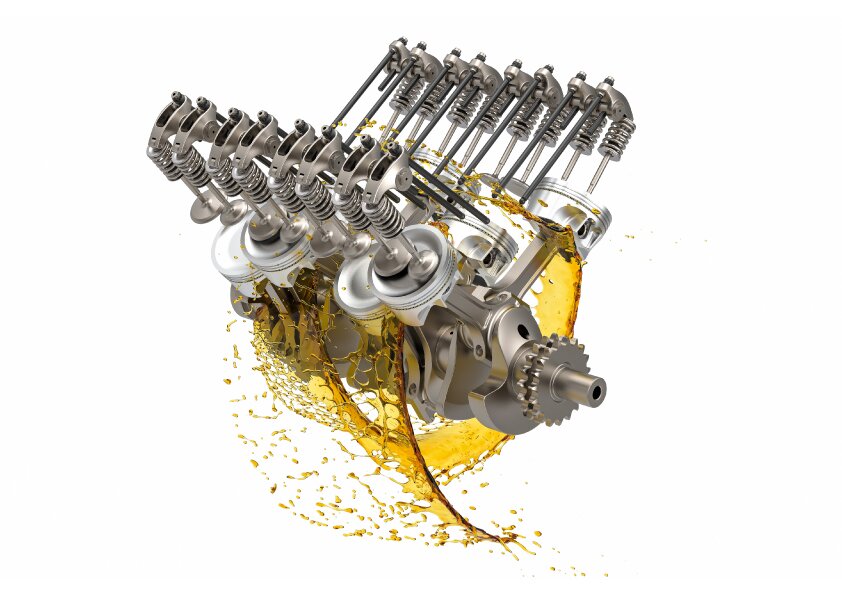
The V8 engines in pickup trucks, SUVs, and sportscars generate large amounts of engine power and torque to tow and have better-towing potential. Based on the size of the eight cylinders within, a tank can have four or six liters of displacement.
Why Is The V8 The Best Engine?
The V8 engines in pickup trucks, SUVs, and sportscars generate large amounts of engine power and torque to tow and have better-towing potential. Based on the size of the eight cylinders within, a tank can have four or six liters of displacement.
Why Is V8 Good Engine?
In general, V8 engines can deliver more power and acceleration. It is why many muscle cars get V8 engines. It is especially true if you primarily haul and tow-in vehicles.
Is V8 Engine The Best?
As a result, V8 engines have become the best in class. Most V8 engines produced in the automotive industry produce good power despite their high production capability. A vehicle equipped with an eight-cylinder engine isn’t always the best one. Many cars use V8 engines. They are not profitable.
What Is The Best V8 Engine Of All Time?
- Mercedes AMG ‘Hot-V’
- BMW 4.4-liter Twin-Turbo V8.
- Rover V8.
- Ferrari F106 V8.
- Ford Flathead V8.
- F154 Twin-Turbo, 3.9-liter capacity Ferrari.
- This Hellcat Supercharged V8 features a 6.2-liter Hemi SRT engine.
Which V8 Engine Is The Fastest?
- V8 Dodge Challenger 6.2 SRT Demon has a displacement of 7200 rpm.
- Lexus LC500.
- The Stradale SF90 Hybrid 5.0 V8 is a true Ferrari rarity.
- Koenigsegg Jesko Bi-Turbo.
- Ferrari 458 Speciale.
- Koenigsegg Regera.
- Ultima GTR 720.
- Koenigsegg Agera RS.
Which V8 Engine Is The Most Reliable?
- Ford 5.0 Coyote.
- Nissan 5.6.
- Hyundai 5.0.
- Chrysler 6.4.
- Toyota/Lexus 4.0.
- Chevy LS3 6.2.
- Chrysler 5.7.
- Chevy Small-Block 350.
Are V8S Good Engines?
A V8 engine balances efficiency and performance very well. V8 engines are happy medium options for consumers because they usually have torque, horsepower, and good fuel economy, even with a relatively small V8.
Why Is V8 the Best Engine?
V-8s offer advantages over V-6s More cargo capacity, and you can hold extra heavy stuff or haul things when using a V-8. As mentioned earlier, the cylinders of a V-8 engine are inclined more towards the center of the cylinder and produce more power; this makes them have a higher power ceiling than V-6 engines.
What Is The Best V8 Engine Made?
- The 6.2 liters Hemi SRT Hellcat Supercharged V8 is offered through Auto Evolution with a performance guarantee.
- The second Ferrari 3.9-liter F154 Twin-Turbo V8 engine features two doors. Thanks to Emperonie on Wikipedia.
- A hot rod network showing three Ford Flatheads.
- 4 LS1.
- 5 Ferrari F106 V8.
- 6 Rover V8.
- A 4.6-liter Twin-Turbo V8 for 7 BMWs.
- 8 Mercedes AMG ‘Hot-V.’
Is V8 The Strongest Engine?
A six-speed vehicle for the 2018 Dodge Challenger SRT Demon should be nothing less than 840 horsepower (on 100-octane gasoline) generated by a 2L Hemi SRT Hellcat V8. One of the most powerful production muscle cars available, this is its last engine.
What Is The Strongest V8 Engine?
The Koenigsegg 3 is the latest limited-production hypercar from the Swedish company. Currently boasts the title of most powerful V8 of all time, having produced 125 units. The device has a 5-volt power system. Despite the twin-turbo system and engine displacement, it makes 1,281 horsepower on ordinary gasoline. Fuel biofuel powers it up to an astounding 1,603 horsepower, though.
What Car Has The Best V8 Engine?
Ford Mustang Shelby GT500.
Chevrolet Corvette.
It’s a Dodge Challenger SRT Super Stock.
Lexus LC500.
Audi RS7.
BMW M8 Competition Coupe.
Lamborghini Urus.
Ferrari F8 Tributo.
What To Put In Mind When Buying An SUV?
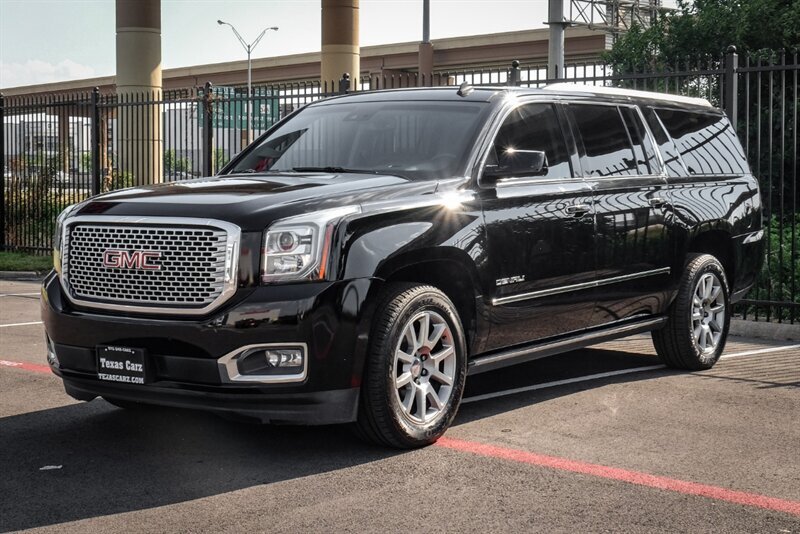
Regarding car shopping, part of the research phase is asking yourself a few different questions that could help you locate the right vehicle you need. For example, buying an electric car can come with a unique set of criteria to make sure that an electric car will fit well into your lifestyle. The same goes for an SUV.
Sport-utility vehicles are by far the most popular vehicle type in the U.S. Many buyers are drawn to SUVs for their elevated ride height, all-wheel-drive, improved off-road ability, interior versatility, and/or image compared with their car counterparts. They’re available in various prices and sizes, ranging from small models not much bigger than subcompact cars to extended-length giants based on pickup truck hardware. Electrified models are getting more ubiquitous, with a hybrid, plug-in hybrid, and full EV powertrains now widely available. You should consider some aspects before spending the time, effort, and money to obtain a vehicle like one.
SUV Types
Most modern SUVs, sometimes called crossovers or crossover utility vehicles (CUVs), utilize a structure that resembles a typical car more closely than a body-on-frame truck, as was more common in the past. Cars and SUVs within a brand may even share their basic platform. As such, expect better handling and ride comfort in crossovers than in truck-based models. Usually, they offer all-wheel drive and can handle moderate off-road situations, but they aren’t typically designed for more challenging off-road conditions, such as rocks, deep water, deep sand, or steep inclines. Most car-based SUVs have a modest towing capacity.
There are still some truck-based SUVs left for those looking to do more serious off-roading or towing. These body-on-frame vehicles often share components with the automaker’s pickup trucks.
· Subcompact SUVs
Price Range: $20,000 – $30,000
One of the fastest-growing categories, subcompact SUVs, offers a slightly taller alternative to similarly sized subcompact cars, with which they typically share their underpinnings.
· Small SUVs
Price Range: $20,000 – $30,000 – Luxury models hover around $50,000 or more.
These are well-suited for drivers looking for more room than a small sedan can provide.
· Mid Size SUVs
Price Range: $30,000 – $50,000 – Luxury models can easily surpass $60,000.
For many families, mid size SUVs provide the best balance of power, interior space, cargo room, and safety.
· Large SUVs
Price Range: $85,000 or more
There is plenty of power, interior space, and towing capacity with large SUVs, but many are very big, bulky, clumsy, and thirsty.
After choosing the right type of SUV that suits your needs, now you should consider the following:
1. Price:
This is the primary factor that should be considered before purchasing an SUV. Do not just look at one price tag and decide to buy it without knowing what you are getting into.
In many cases, a used car may have more value for your money since buying a new one comes with additional costs such as taxes and registration fees. On top of this, new cars depreciate quickly as soon as you purchase them.
So, if you are looking for a car that will not lose its value over time and is of good quality, then used cars can be the best option. However, this is entirely subjective to your preference and budget.
2. Seating:
Almost all SUVs carry at least five people. Some midsized and full-sized models include a third-row seat that increases passenger capacity to six, seven, or eight. However, many three-row SUVs have limited cargo space when the third-row seats are upright. Most third-row seats can fold flat when not used or nearly so, opening up additional luggage space.
3. Interior Cargo Space:
The SUV’s versatile seating configurations mean that all the space behind the front seats is available for cargo with the second-and third-row seats folded down. Look for flat seats to get the most out of the space. SUVs usually have a higher cargo floor than minivans, making heavy loading objects difficult. On the other hand, truck-based models typically have higher maximum payload capacities, so drivers can carry more weight. Most offer power-operated, hands-free liftgates, making it easier to access the cargo bay.
4. Safety and Active Driver Assistance Systems Technologies:
If you decided that you want an SUV and have narrowed your choices to three or four different brands, then the next part you can look into is which safety features, as well as other features, you would want.
Safety is important, and after all, that is most likely one of the reasons you want to buy an SUV in the first place. Remember that some safety features like adaptive cruise, lane assist, and rear-cross traffic alert might only be available on higher trim levels on certain cars, so ask yourself which features are most important to you.
Some of the top safety features you should look for are:
· Electronic Stability Control (ESC) – This feature helps drivers control their vehicles during accidental maneuvers by braking at individual wheels to prevent skidding and keep your vehicle on track.
· Anti-Lock Brake System (ABS) – This feature prevents the wheels from locking while braking under hard or emergency conditions.
· Tire Pressure Monitoring System (TPMS) – This system alerts you when your tire pressure is low, which could be dangerous if not fixed quickly.
· Traction Control System (TCS) – This feature helps drivers maintain traction to the road by controlling the torque delivered to individual wheels.
5. Handling/Performance:
Suv’s have a high center of gravity, so it is important to consider how well the vehicle handles on-road, off-road and while driving through rough conditions.
The size of the SUV also needs to be considered because larger SUVs will typically have a more powerful engine and, in turn, will be able to tow larger trailers. If you are looking for an SUV that can go off-roading often, consider one with higher ground clearance.
6. MPG (Miles Per Gallon) Rating:
Driving your daily commute with an SUV that gets less than 18/26 mpg can be very expensive. You are burning more money on fuel compared to a sedan or even a few other SUVs in its class. Also, some higher-end SUVs are not that much more expensive than other vehicles in their class.
Ensure you highly consider the MPG rating of the SUV and if your wallet can handle it without feeling inconvenienced.
Ultimately, you should purchase an SUV that best suits your needs. Whether buying a new or used SUV, it is important to do a little homework to choose a good model and follow it up with effective negotiation.