
10 General Car Maintenance Tips That Every Car Owner Should Be Aware Of
What You Need To Know About Stellantis Company
Whether you have a new car or have been driving one for a while, certain car maintenance tips can help your car perform at its best. This is a good read if you need some pointers or a checklist of things to do to keep your car in good shape.
For every car owner, here is a comprehensive list of car maintenance tips and checklists.
Inspect your vehicle on a regular basis.
At least once a week, take a walk around your vehicle. While out for a walk, inspect your car for body damage. Inspect your tires for wear, punctures, or cuts, and test every lock, window, and even the sunroof.
Examine your air filter.
Many car problems arise when your air filters become clogged or fit too loosely. To keep your engine healthy, air filters filter out dust, pollen, and other contaminants. However, if the air filter becomes clogged, it can reduce airflow into the engine, robbing your vehicle of power and reducing performance and fuel economy. It is recommended that your air filter be replaced every 12,000 miles.
Check your tire pressure on a regular basis.
Fuel economy can be affected by tire pressure. It also has an impact on comfort and handling. The recommended tire pressure will be listed in the owner’s manual for your vehicle. In general, the tire pressure should be checked once a week.
Clean the outside of your engine.
It’s just as important to keep your car’s exterior engine clean as it is to keep the interior engine clean. Even minor debris in the wrong place can cause damage to your engine if not cleaned properly. While checking your brake fluid, for example, some grease may fall into it. As a result, the brake may be damaged. As a result, make sure to check your brake fluid levels at least once a month.
Keep your headlights safe.
Once a month, turn on your headlights when parking in front of a flat surface to ensure that both headlights are working properly and are properly positioned. Walk around your car and look at your parking lights to visually inspect both turn signals. You can even have a friend stand behind the car while you engage the brakes to ensure that your brake lights are working properly.
Check your battery
One of the most important components required for your car to run is its battery. The car battery is in charge of supplying a large amount of electrical current to the starter, engine, and other electronic accessories in the vehicle. Extreme temperatures have an impact on battery performance, so regular battery testing will ensure that the battery works when you need it to.
Replace your spark plugs.
The efficiency of your car’s engine may be affected by spark plugs. They are in charge of igniting the gas-air mixture that ultimately powers your vehicle. As a result, when the spark plugs fail to function properly, the engine loses power and does not perform to its full potential. So have a professional inspect your spark plugs and replace them if they are faulty.
Rotate and balance your tires.
Tyre rotation is essential for maintaining your vehicle’s safety and performance. Of course, it improves your vehicle’s steering response and smoothness. Rotating your tires allows them to even out their wear and helps them last longer. Check the tire pressure in your car at least once a month, especially before long trips or when carrying an extra load. The amount of air pressure required by your car’s tires is specified in the owner’s manual.
Check that your cooling system is operational.
To work efficiently and effectively, your car’s cooling system and radiator must be clean. With normal wear and tear, your car’s radiator accumulates deposits that can disrupt the cooling system. A radiator flush can help you keep your cooling system in good shape quickly and affordably. Check your car’s owner’s manual to see if you need to flush the radiator once a year or every two years.
Understand the significance of various warning light indicators.
Almost every car has a sophisticated sensor and warning light system that tell you everything from whether you forgot to replace the gas cap to whether one of your tires is low on air. Learn what each warning light on your car means and how to fix it. Your owner’s manual can be extremely useful in this situation. If any light flashes and you are unable to immediately identify and resolve the issue, take your vehicle to a reputable mechanic.
5 Best Car Buying Advice
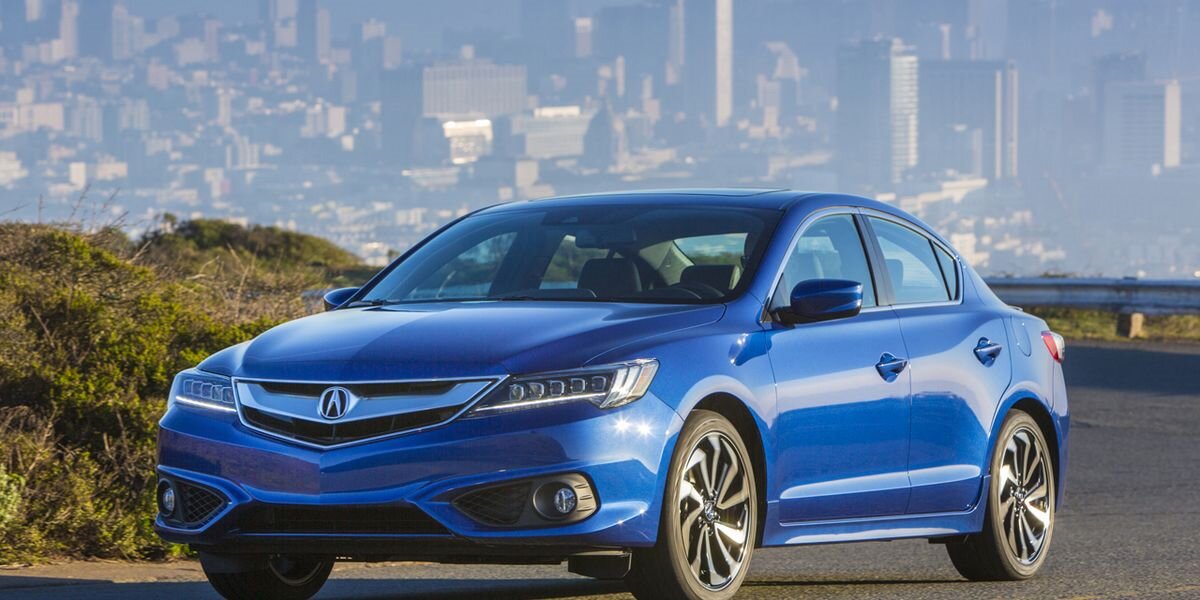
If you’re looking for a new or used car, I suggest you talk to your friends and neighbors. They may have had great experiences buying their cars from dealerships, and they can give you advice on how to get the best deal.
1) Understand Your Budget
When thinking about getting a new car, it’s important to figure out how much money you currently have to spend each month. Then, add the cost of owning a car, including things like car insurance, fuel, parking, and maintenance.
To afford a car, you need to know how much money you will be spending each month. This is different from how much you will pay in total. Car buying based only on a monthly payment can be expensive because you must pay it off over time. However, our car affordability calculator can help you figure out how much car you can afford.
2) Locate the Appropriate Vehicle
When you have a good idea of your spending limit, you can look for cars that fit your needs and lifestyle. Consider things like how many people you will be carrying, how much room you need, where you will be driving, and how much you will be traveling. If you spend a lot of time on long car trips, you might want to consider an SUV or crossover car. These cars can be expensive to buy and maintain, but they can be worth the investment if you plan on using your car a lot.
You should think about what you need your car for in the future, especially if there are kids or elderly people in your family. A short-term lease might be a better idea than buying a car if you’re not sure what the future might bring.
We use the opinions of America’s best automotive journalists to create our car rankings, and we also use data to predict how reliable and safe cars are. Our used car rankings will tell you how much money you’ll need to spend on a car to make it affordable in the long run.
When looking for a new car, think about what you like and don’t like about your current one. For example, if you want more power, you can trade fuel economy for a higher horsepower rating. The level of high-tech safety features has changed dramatically in the last few years, so you’ll want to learn what’s available before you buy your next car.
3) Study the Language
It’s easy to get lost in the jargon of car purchases and auto loans. The auto industry has its vocabulary, which is constantly changing as new technologies emerge. Making matters more difficult is automakers’ use of different names for the same systems. Our new car and used car reviews, fortunately, describe the various technologies available on each model and trim level.
4) Understand the Car-Buying Process
Car shopping is one of the last bastions of free-wheeling price haggling. While this can be daunting for many buyers, you can level the playing field by learning how to buy a car, how cars are priced, and how to negotiate a great deal. Buyers now have access to more information than ever before thanks to online tools. When discussing a car purchase, that knowledge can be translated into confidence.
Understanding the car-buying process will also assist you in identifying any tricks or tactics used by a salesperson to get you to agree to the deal they want you to agree to. You’ll understand when to push back and when to back down.
5) Purchase a Car Before You Need One
“When should I buy a car?” is a frequently asked question. The most straightforward answer is that you should buy a car before you need one. If you drive your current vehicle until it breaks down or leaves you stranded, you will not only have a vehicle with limited trade-in value, but you will also have to buy a car without having the time to properly research your purchase and financing.
Exploring user forums for the vehicle model you drive can reveal when others are experiencing major component failures. If you’re approaching one of those mileage milestones and thinking about buying a new car, you should do so sooner rather than later.